
HVAC Replacement Cost Guide (Systems, Installation & Energy Savings)
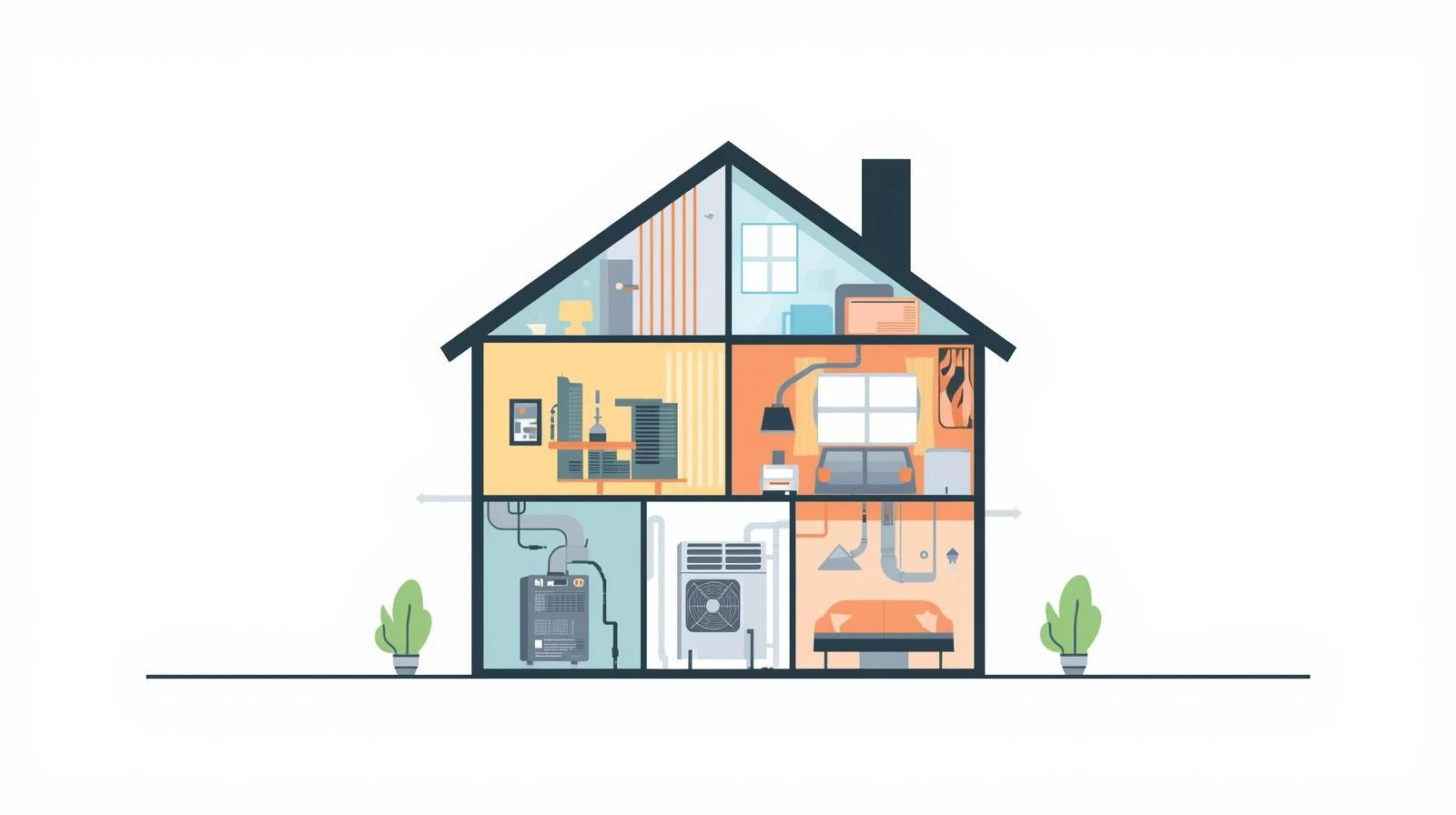
The cost to replace a residential HVAC system in the United States typically ranges from $5,000 to $15,000, depending on the type of system, home size, ductwork condition, and installation complexity. Smaller systems or partial replacements may cost less, while high-efficiency systems or full HVAC upgrades can exceed $20,000.
This guide explains HVAC replacement costs, compares heating and cooling system options, and covers related upgrades such as insulation improvements and water heater replacements that affect home energy efficiency.
Typical HVAC Replacement Costs
| System Type | Typical Installed Cost |
|---|---|
| Central Air Conditioning | $5,000 – $12,000 |
| Heat Pump System | $6,000 – $15,000 |
| Furnace Replacement | $3,000 – $8,000 |
| Full HVAC System Replacement | $8,000 – $20,000+ |
Table of Contents
- Quick Summary
- HVAC Replacement Cost Overview
- HVAC System Types and Costs
- Central Air vs Window AC
- Insulation and Energy Efficiency
- Water Heater Replacement Costs
- Choosing an HVAC Contractor
- Common HVAC Replacement Mistakes
- Signs Your HVAC System May Need Replacement
- When HVAC Replacement Is Worth the Investment
- Frequently Asked Questions
Quick Summary
- Typical HVAC replacement costs range from $5,000 to $15,000.
- Full HVAC system replacements can exceed $20,000 in larger homes.
- Insulation upgrades can reduce heating and cooling costs.
- Central air provides whole-home cooling while window units cool individual rooms.
- Choosing a qualified HVAC contractor is critical to system lifespan and efficiency.
HVAC Replacement Cost Overview
HVAC replacement involves removing an older heating or cooling system and installing new equipment designed to provide improved temperature control and energy efficiency.
Costs depend on several factors:
- Home size and system capacity
- Energy efficiency rating (SEER / AFUE)
- Ductwork condition
- Installation labor
- Regional climate
For a deeper breakdown of system pricing and installation factors, see our detailed guide:
How Much Does HVAC Replacement Cost?
HVAC System Types and Costs
Several HVAC systems are commonly used in residential homes. Each type has different installation costs and efficiency levels.
- Central air conditioning systems
- Heat pump systems
- Gas furnaces
- Ductless mini-split systems
- Window air conditioners
The best option depends on the home’s layout, climate, and energy efficiency goals.
Central Air vs Window AC
Many homeowners compare central air systems with window air conditioners when evaluating cooling upgrades.
Central air systems cool the entire home through ductwork. Window units are inexpensive but typically cool only one room at a time.
Learn more about the cost differences here:
Central Air vs Window AC Cost Comparison
Insulation and Energy Efficiency
Insulation plays an important role in HVAC efficiency. Poor insulation allows heat transfer through walls and ceilings, forcing HVAC systems to run longer and increasing energy costs.
Common insulation upgrades include:
- Attic insulation
- Wall insulation
- Basement insulation
- Air sealing improvements
Learn more about insulation costs and savings:
Insulation Cost & Energy Savings Guide
Some insulation types also have safety considerations:
Fiberglass Insulation Cost & Risks
Water Heater Replacement Costs
Water heaters are not technically part of HVAC systems, but they are often replaced during major home mechanical upgrades.
- Standard tank water heaters: $900 – $2,500
- Tankless water heaters: $2,000 – $5,000+
Water heater upgrades can improve overall home energy efficiency.
See the full guide:
Water Heater Replacement Cost Guide
Choosing an HVAC Contractor
The quality of installation often matters more than the brand of HVAC equipment.
When choosing an HVAC contractor, consider:
- Licensing and insurance
- Experience with similar systems
- Detailed written estimates
- Warranty coverage
- Customer reviews
A qualified contractor will evaluate ductwork, insulation, and airflow issues before installation.
Learn how to evaluate contractors here:
How to Choose an HVAC Contractor (Cost & Red Flags)
Common HVAC Replacement Mistakes
- Installing a system that is too large or too small
- Ignoring insulation problems
- Choosing equipment based only on price
- Skipping ductwork inspection
- Hiring contractors without verifying credentials
Signs Your HVAC System May Need Replacement
Most HVAC systems last between 15 and 20 years. However, certain warning signs may indicate replacement is more cost-effective than continued repairs.
- Frequent system breakdowns
- Rising energy bills
- Uneven temperatures in the home
- Unusual noises or vibration
- System older than 15 years
When HVAC Replacement Is Worth the Investment
Replacing an HVAC system can improve comfort, energy efficiency, and long-term reliability. Although the upfront investment may be significant, modern systems often reduce monthly utility bills and require fewer repairs.
Replacement may be worthwhile for:
- Homes with aging HVAC systems
- Properties with increasing repair costs
- Homes undergoing major renovations
- Systems with declining efficiency
Frequently Asked Questions
How long do HVAC systems last?
Most residential HVAC systems last between 15 and 20 years depending on maintenance and usage.
What is the most energy efficient HVAC system?
Heat pumps and high-efficiency central air systems typically offer the best efficiency when properly installed.
Should insulation be upgraded during HVAC replacement?
Improving insulation during HVAC replacement can reduce heating and cooling costs and improve system performance.
Is ductwork replacement necessary?
Not always, but damaged or poorly designed ductwork may reduce system efficiency and may require repair or replacement.
Does HVAC replacement increase home value?
A modern HVAC system can improve comfort and energy efficiency, which may make a home more attractive to potential buyers.