
Solar Panel Cost & ROI Guide (Installation, Savings & Payback)
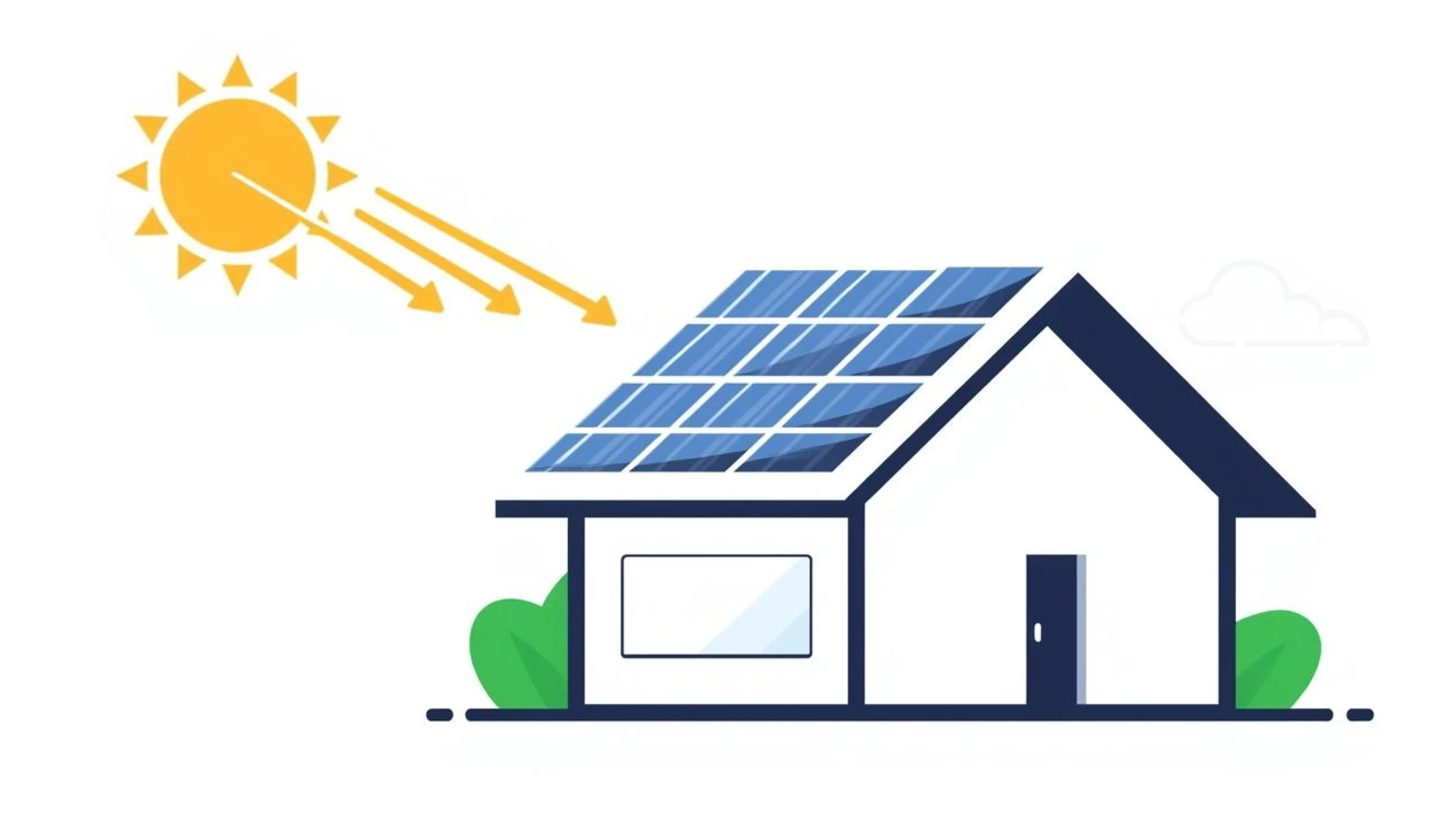
The cost of installing residential solar panels typically ranges from $15,000 to $30,000 before incentives for an average home system in the United States. Federal tax credits, local incentives, and energy savings can significantly reduce the effective cost, and many homeowners recover their investment within 7 to 12 years through electricity savings.
This guide explains solar installation costs, long-term savings potential, and when solar panels make financial sense for homeowners.
Typical Solar Installation Costs
| System Size | Typical Cost (Before Incentives) |
|---|---|
| 4 kW System | $10,000 – $15,000 |
| 6 kW System | $15,000 – $20,000 |
| 8 kW System | $18,000 – $25,000 |
| 10 kW System | $22,000 – $30,000+ |
Table of Contents
- Quick Summary
- Solar Installation Cost Overview
- How Much Solar Panels Save
- Solar Payback Period
- Solar vs Other Renewable Energy Options
- Factors That Affect Solar Costs
- When Solar Is Worth the Investment
- Common Solar Installation Mistakes
- Frequently Asked Questions
Quick Summary
- Solar panel systems typically cost between $15,000 and $30,000 before incentives.
- The federal solar tax credit can reduce installation costs by about 30%.
- Solar systems often pay for themselves in 7 to 12 years through energy savings.
- Average homeowners save $500 to $1,500 per year on electricity.
- Solar panels can increase home value and reduce long-term energy costs.
Solar Installation Cost Overview
Solar energy systems convert sunlight into electricity using photovoltaic panels installed on a home’s roof or property. The electricity produced can power household appliances, reduce reliance on grid electricity, and lower monthly utility bills.
The total cost of installing solar panels depends on several factors:
- System size and electricity needs
- Roof size and orientation
- Panel efficiency and technology
- Installation labor costs
- Local permits and electrical upgrades
Homes with higher electricity consumption often require larger solar systems, which increases upfront installation costs but can also increase long-term savings.
How Much Solar Panels Save
Solar panels reduce electricity costs by generating power directly from sunlight. The amount homeowners save each year depends on electricity rates, system size, and local sunlight levels.
Typical annual savings range from $500 to $1,500 per year, although homeowners in regions with high electricity costs may save more.
For a detailed breakdown of potential savings, see:
How Much Do Solar Panels Save Per Year?
Solar Payback Period
The solar payback period refers to the amount of time required for electricity savings to equal the installation cost of the system.
For most homeowners, solar panels reach payback within 7 to 12 years, depending on incentives and electricity prices.
Once the system reaches its payback point, the remaining lifespan of the panels typically produces electricity at little additional cost.
Learn more about solar investment returns:
Is Solar Worth It? Cost & Payback Guide
Solar vs Other Renewable Energy Options
Solar panels are the most common renewable energy system for residential homes, but other technologies also exist.
| Energy Type | Typical Residential Cost | Common Use |
|---|---|---|
| Solar Panels | $15,000 – $30,000 | Residential electricity generation |
| Small Wind Turbines | $20,000 – $70,000 | Rural properties with strong wind |
| Geothermal Systems | $20,000 – $40,000 | Heating and cooling systems |
| Solar Water Heating | $3,000 – $10,000 | Water heating assistance |
Solar systems remain the most practical renewable energy option for most homeowners due to their relatively simple installation and predictable energy production.
For a comparison with other renewable systems:
Solar vs Other Renewable Energy Cost Comparison
Factors That Affect Solar Costs
Several factors can influence the total cost of solar installation.
- Roof orientation and shading
- Local electricity prices
- Solar incentives and tax credits
- System size and energy demand
- Battery storage installation
Battery systems allow homeowners to store excess solar energy but can increase installation costs significantly.
When Solar Is Worth the Investment
Solar panel installation tends to make the most financial sense for homeowners who:
- Have high electricity costs
- Plan to stay in their home long-term
- Have a roof with good sun exposure
- Live in regions with solar incentives
Homes with limited sunlight or frequent shading may experience lower electricity production and longer payback periods.
Common Solar Installation Mistakes
- Choosing systems based only on price
- Installing panels on heavily shaded roofs
- Ignoring system size requirements
- Not comparing multiple installation quotes
- Overestimating short-term savings
Frequently Asked Questions
How long do solar panels last?
Most solar panels last between 25 and 30 years with gradual efficiency decline over time.
Do solar panels increase home value?
Many homes with solar installations sell for higher prices due to lower long-term energy costs.
Do solar panels work during cloudy weather?
Solar panels still produce electricity on cloudy days, although output may be reduced.
Do solar systems require maintenance?
Solar panels generally require minimal maintenance, although periodic cleaning and inverter replacement may be necessary.
Can solar panels power an entire home?
Yes. A properly sized solar system can offset most or all household electricity consumption.