
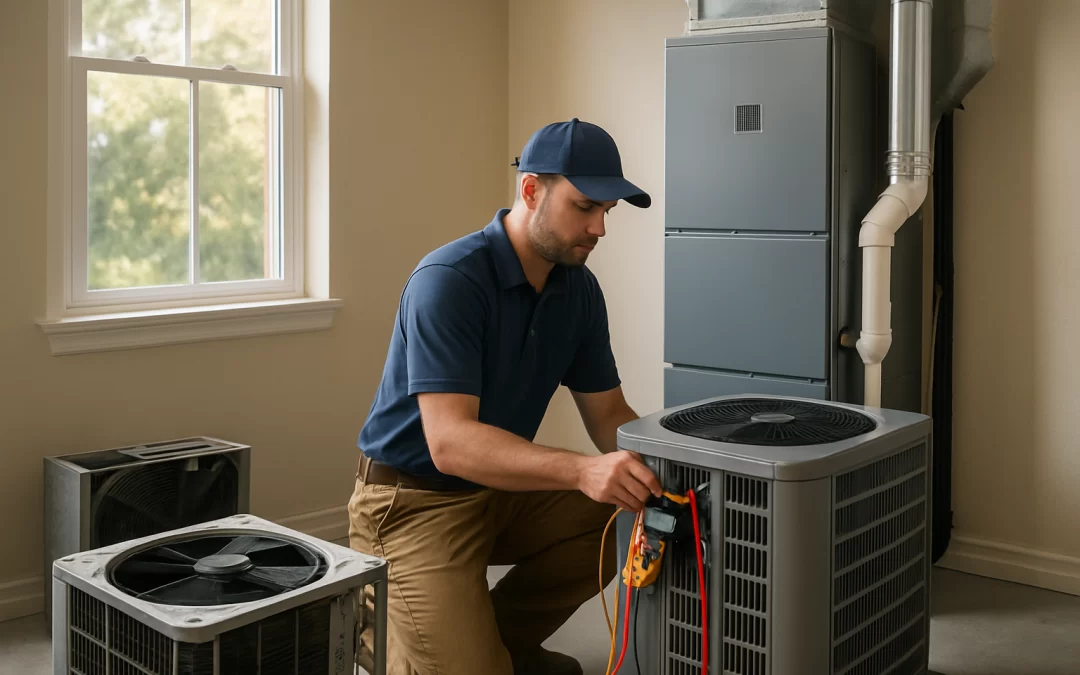
AC unit replacement cost typically ranges from several thousand dollars for a basic system replacement to well into the five-figure range for larger, high-efficiency, or fully upgraded HVAC systems. Most homeowners pay somewhere in the middle once installation, labor, permits, ductwork adjustments, and system sizing are included. The final cost depends on factors like home size, AC type, energy efficiency rating, existing duct condition, and whether additional components such as the furnace or thermostat also need replacement. In many homes, the biggest pricing differences come from installation complexity and choosing the correct system size rather than the brand name alone.
AC unit replacement is the process of removing an aging or failing air conditioning system and installing a new cooling system designed for your home’s size, layout, and efficiency needs. The goal is not just restoring cool air, but improving reliability, comfort, energy performance, and long-term operating costs. The most important factor affecting overall value is whether the replacement system is properly matched to the house and installed correctly. Even an expensive unit can underperform if sizing, airflow, ductwork, or installation quality are poor.
Table of Contents
- What Affects AC Unit Replacement Cost
- How AC Unit Replacement Works
- Types of AC Systems and Their Price Differences
- AC Replacement Cost Breakdown
- What Causes AC Replacement Costs to Increase
- How Homeowners Can Save Money Without Cutting Corners
- Should You Repair or Replace Your AC Unit?
- Common AC Replacement Mistakes to Avoid
- FAQ
- Summary and Next Steps
What Affects AC Unit Replacement Cost
AC replacement pricing varies widely because every home and HVAC setup is different. Two homes with similar square footage can still receive very different quotes depending on ductwork condition, insulation, ceiling height, layout, climate, and electrical capacity.
The factors that usually influence pricing most include:
- System size: Larger homes generally require larger-capacity systems with higher installation costs.
- Efficiency rating: Higher SEER-rated systems typically cost more upfront but may reduce monthly cooling costs.
- Ductwork condition: Damaged, undersized, or leaking ducts can add major labor and material expenses.
- Installation complexity: Tight attics, crawlspaces, roof installations, or difficult access often increase labor.
- Electrical upgrades: Older homes sometimes need panel or wiring updates to support modern equipment.
- Climate and usage: Homes in hotter climates may require more robust systems and upgraded airflow planning.
- System type: Central air, heat pumps, packaged systems, and ductless mini-splits all carry different pricing structures.
This is where many homeowners get misleading expectations online. Advertised “low-cost AC replacement” numbers often reflect equipment-only pricing and do not include labor, permits, duct adjustments, refrigerant line upgrades, or disposal of the old system.
In practice, installation quality and proper system sizing usually matter more for comfort and long-term value than choosing the most expensive equipment tier.
How AC Unit Replacement Works
Replacing an AC system is more involved than swapping one outdoor unit for another. A proper replacement process evaluates the entire cooling system and how air moves through the home.
Initial Inspection and Load Calculation
A qualified HVAC contractor should inspect:
- Existing equipment condition
- Home size and insulation
- Ductwork performance
- Airflow restrictions
- Electrical capacity
- Humidity and ventilation concerns
Proper sizing calculations are critical. Oversized systems often short-cycle and create humidity problems, while undersized systems struggle during extreme temperatures.
System Selection
Once sizing is confirmed, the contractor typically recommends several system options based on:
- Budget
- Energy efficiency goals
- Desired comfort features
- Noise preferences
- Long-term ownership plans
If you plan to remain in the home long term, investing in efficiency and installation quality usually provides better value than focusing only on the lowest upfront quote.
Removal of Old Equipment
The old condenser, evaporator coil, refrigerant, and related components are removed and disposed of according to environmental regulations.
This stage sometimes reveals hidden problems such as:
- Corroded drain pans
- Mold growth
- Duct leakage
- Improper prior installations
- Water damage
These issues are one reason replacement projects occasionally exceed initial estimates.
Installation and Testing
The new system is installed, connected, pressure-tested, vacuum-sealed, charged with refrigerant, and calibrated for airflow and thermostat operation.
A properly installed system should deliver:
- Balanced airflow
- Consistent cooling
- Lower humidity
- Improved efficiency
- Quieter operation
Final testing and commissioning are essential. Many long-term HVAC problems begin because systems were installed quickly without proper airflow balancing or refrigerant verification.
Types of AC Systems and Their Price Differences
Different air conditioning systems vary substantially in both installation cost and long-term operating expenses.
Central Air Conditioning Systems
Central air remains the most common whole-home cooling solution in many houses with existing ductwork.
- Best for: Full-home cooling with existing ducts
- Pros: Even cooling, familiar setup, wide equipment range
- Cons: Duct losses, higher installation cost if ducts need repair
For many homes, replacing an existing central AC system is the most cost-effective path because the infrastructure is already in place.
Heat Pumps
Heat pumps provide both heating and cooling and are becoming increasingly popular due to energy efficiency improvements.
- Best for: Moderate climates and energy-conscious homeowners
- Pros: Heating and cooling in one system, improved efficiency
- Cons: Higher upfront cost in some cases
Many homeowners now compare heat pumps against traditional AC-and-furnace combinations during replacement projects.
Ductless Mini-Split Systems
Ductless systems cool individual rooms or zones without traditional ductwork.
- Best for: Additions, older homes, zoning needs
- Pros: High efficiency, flexible installation, zoned control
- Cons: Multiple indoor units can increase overall cost
If your home lacks ductwork or has persistent hot and cold spots, ductless systems may solve comfort issues more effectively than replacing a traditional system alone.
Packaged HVAC Units
Packaged systems combine heating and cooling components into one outdoor cabinet, commonly installed on rooftops or beside homes.
- Best for: Homes with limited indoor mechanical space
- Pros: Compact design
- Cons: Service access and exposure to weather can affect longevity
AC Replacement Cost Breakdown
Many homeowners underestimate how much of an HVAC replacement quote comes from labor and supporting work rather than the AC unit itself.
A replacement estimate may include:
- Equipment: Condenser, evaporator coil, air handler, or furnace components
- Labor: Removal, installation, setup, testing, and cleanup
- Duct modifications: Sealing, resizing, or repairs
- Electrical work: Disconnects, breakers, or wiring upgrades
- Permits and inspections: Required in many municipalities
- Thermostat upgrades: Smart thermostat compatibility
- Drainage improvements: Condensate pumps or drain line updates
- Refrigerant line replacement: Often recommended for compatibility and reliability
This is where quote comparisons become difficult. One contractor may include comprehensive duct repairs and airflow balancing, while another may quote only minimal replacement work.
The lowest quote is not always the lowest long-term cost if shortcuts reduce efficiency or system lifespan.
What Causes AC Replacement Costs to Increase
Some cost increases are predictable, while others appear only after installation begins.
Factors that commonly raise project pricing include:
- Undersized or damaged ductwork
- Poor attic ventilation
- Electrical panel upgrades
- Asbestos remediation
- Difficult equipment access
- High-efficiency or variable-speed systems
- Custom zoning systems
- Structural repairs near the HVAC area
- Emergency replacement timing during heat waves
Emergency replacements are often significantly more expensive because homeowners have less time to compare quotes and contractors may have limited scheduling flexibility during peak summer demand.
Many of the highest-cost projects involve systems that were neglected for years before replacement became unavoidable.
How Homeowners Can Save Money Without Cutting Corners
Reducing AC replacement costs does not necessarily mean choosing the cheapest equipment. In many cases, smarter planning delivers better long-term value.
- Replace before total failure: Emergency replacements often limit pricing leverage.
- Compare detailed estimates: Look at scope, warranty coverage, and included labor.
- Ask about rebates: Utility companies and energy-efficiency programs may reduce costs.
- Improve insulation first: Better insulation can reduce system size requirements.
- Address duct leakage: Air loss reduces efficiency and comfort.
- Choose practical efficiency levels: Extremely high-efficiency systems may not always justify the added upfront cost.
If you are comparing multiple quotes, focus on installation practices, warranty support, and contractor reputation rather than equipment brand alone.
In many homes, poor installation causes more performance issues than the actual AC equipment itself.
Should You Repair or Replace Your AC Unit?
One of the biggest homeowner decisions is whether repairing an aging system still makes financial sense.
Replacement is often worth considering when:
- The system is around 10–15+ years old
- Repairs are becoming frequent
- Cooling performance is inconsistent
- Energy bills continue rising
- Major components fail repeatedly
- The system still uses outdated refrigerants
Repair may still make sense if:
- The system is relatively new
- The issue is isolated and inexpensive
- Performance has otherwise been reliable
- The home may be sold soon
Many homeowners delay replacement too long trying to avoid upfront costs, only to spend heavily on repeated repairs before ultimately replacing the system anyway.
At a certain point, reliability and efficiency improvements begin outweighing the cost of continued repairs.
Common AC Replacement Mistakes to Avoid
Some of the most expensive HVAC mistakes happen before installation even begins.
- Choosing based only on price: Extremely low bids often omit important work.
- Oversizing the system: Bigger is not automatically better.
- Ignoring ductwork: Old ducts can undermine new equipment performance.
- Skipping load calculations: Proper sizing is essential.
- Focusing only on equipment brand: Installation quality matters more.
- Waiting for complete failure: Emergency timing reduces options.
- Overbuying efficiency: Higher SEER ratings are not always cost-effective in every climate.
This is where many homeowners unknowingly lose long-term value: investing heavily in premium equipment while overlooking airflow, insulation, or installation quality.
FAQ
How much does AC unit replacement usually cost?
Costs vary based on system size, efficiency, installation difficulty, and local labor rates. Basic replacements may cost several thousand dollars, while larger or high-efficiency systems with ductwork and upgrades can reach much higher totals.
What is included in AC replacement?
Most projects include removing old equipment, installing new components, connecting refrigerant lines, electrical work, testing, and startup calibration. Some quotes also include duct modifications, thermostats, and permits.
How long does AC replacement take?
Many standard replacements can be completed within one or two days, though more complex projects involving ductwork, electrical upgrades, or structural changes may take longer.
Should I replace my furnace at the same time?
In some situations, replacing both systems together improves compatibility, efficiency, and labor efficiency. This is especially common when both systems are older or share connected components.
What SEER rating should I choose?
The right efficiency level depends on climate, energy costs, and how long you plan to stay in the home. Extremely high-efficiency systems may not always provide proportional savings in milder climates.
Can replacing my AC lower energy bills?
Yes. Newer systems are often significantly more efficient than aging equipment, especially if the old system was improperly sized or poorly maintained.
Summary and Next Steps
AC unit replacement cost depends on far more than the equipment itself. System size, installation quality, ductwork condition, energy efficiency, and labor complexity all play major roles in determining final pricing and long-term value.
The most effective next step is to schedule evaluations from qualified HVAC contractors who perform proper sizing calculations and provide detailed written estimates. Comparing system recommendations, included labor, warranty coverage, and ductwork assessments will usually reveal more about long-term value than focusing on equipment brand names alone.
For most homeowners, the best replacement decision balances upfront budget, energy efficiency, comfort, and reliability without overspending on features that may not meaningfully improve daily performance.