
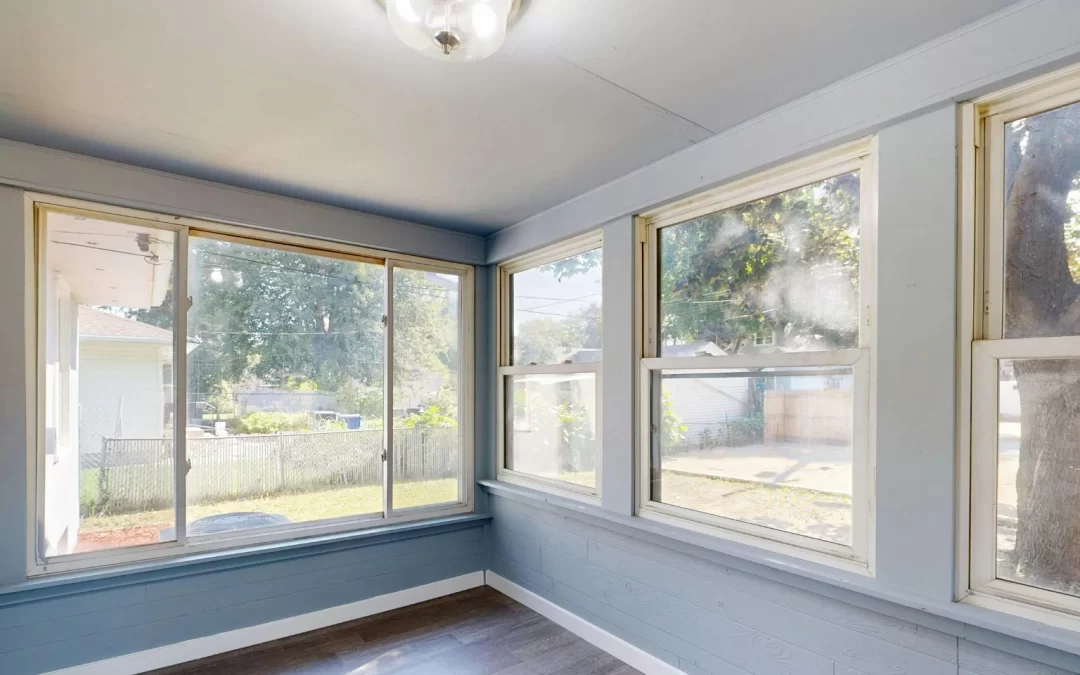
Energy Star windows are certified window products designed to improve insulation, reduce energy loss, and help homeowners lower heating and cooling costs. Compared to older or poorly insulated windows, Energy Star certified models can improve indoor comfort, reduce drafts, and decrease strain on HVAC systems throughout the year. Costs vary widely depending on window size, frame material, glass package, and installation complexity, but many homeowners view the upgrade as a long-term investment in efficiency, comfort, and home value. Whether they are “worth it” depends on your climate, the condition of your current windows, and how long you plan to stay in the home.
Energy Star windows are independently certified windows that meet energy-efficiency standards established for specific climate zones and performance requirements. They are designed to reduce heat transfer, improve insulation, and maintain more stable indoor temperatures compared to standard or aging windows. The biggest factor affecting real-world performance is not just the window itself, but whether the product is properly selected for your climate and installed correctly. Even high-end windows can underperform if sizing, sealing, or installation quality is poor.
Table of Contents
- What Energy Star Windows Really Are
- How Energy Star Windows Improve Efficiency
- Types of Energy Star Windows and Material Options
- Energy Star Window Costs and What Affects Pricing
- How Much Energy Can Energy Star Windows Save?
- Are Energy Star Windows Worth It?
- Why Installation Quality Matters
- Common Energy Star Window Mistakes to Avoid
- How to Choose the Right Energy Star Windows
- FAQ
- Summary and Next Steps
What Energy Star Windows Really Are
Energy Star windows are window products that meet specific efficiency standards established through the Energy Star program. These standards are designed to help reduce heat gain during hot weather and heat loss during colder seasons.
Unlike older single-pane or poorly insulated windows, Energy Star certified products use technologies intended to improve thermal performance and reduce energy waste throughout the home.
Common efficiency features include:
- Double- or triple-pane glass: Multiple layers improve insulation.
- Low-E coatings: Thin coatings help reflect heat while allowing natural light.
- Gas fills: Argon or krypton gas between panes improves thermal resistance.
- Improved spacers and seals: Reduce air leakage and condensation issues.
- Insulated frames: Help limit temperature transfer through the window structure.
One important detail many homeowners overlook is that Energy Star requirements vary by climate zone. A window designed for northern climates may prioritize heat retention, while products for warmer regions focus more heavily on reducing solar heat gain.
This is where many buying mistakes begin: choosing windows based only on appearance or price without considering climate-specific performance.
How Energy Star Windows Improve Efficiency
Windows are one of the largest sources of energy loss in many homes. Older or damaged windows can allow conditioned air to escape while permitting outside heat or cold to enter more easily.
Energy Star windows improve efficiency by reducing:
- Air leakage around frames
- Heat transfer through glass
- Solar heat gain during summer
- Cold drafts near windows in winter
- Strain on heating and cooling systems
In practical terms, homeowners often notice:
- More stable indoor temperatures
- Reduced hot and cold spots near windows
- Improved comfort during extreme weather
- Lower HVAC runtime
- Less outside noise intrusion
While energy savings are important, comfort improvements are often what homeowners notice first after replacing aging windows.
If your current windows feel cold to the touch in winter, create drafts, or allow noticeable heat buildup in summer, upgrading may improve both efficiency and day-to-day comfort significantly.
Types of Energy Star Windows and Material Options
Energy Star certification applies across multiple window styles and frame materials. The best option depends on your climate, budget, maintenance preferences, and home design.
Vinyl Windows
Vinyl remains one of the most common choices for Energy Star replacement windows.
- Best for: Budget-conscious homeowners seeking efficiency and low maintenance
- Pros: Good insulation, affordable pricing, low upkeep
- Cons: Fewer premium appearance options compared to wood
For many homes, vinyl windows provide the strongest balance between cost and energy performance.
Wood Windows
Wood windows offer a traditional appearance with naturally strong insulation properties.
- Best for: Historic homes and premium aesthetics
- Pros: Excellent appearance, natural insulation
- Cons: Higher maintenance and cost
Many homeowners choose wood windows primarily for architectural character rather than efficiency alone.
Fiberglass Windows
Fiberglass frames are known for durability and thermal stability.
- Best for: Long-term durability and premium efficiency
- Pros: Strong, weather-resistant, low expansion/contraction
- Cons: Higher upfront cost
In climates with major temperature swings, fiberglass can offer long-term performance advantages.
Composite Windows
Composite products combine different materials to balance durability, efficiency, and appearance.
- Best for: Homeowners wanting a mix of efficiency and aesthetics
- Pros: Durable and relatively low maintenance
- Cons: Pricing varies substantially
Window Style Options
Energy Star certification applies to multiple window styles, including:
- Double-hung windows
- Casement windows
- Sliding windows
- Picture windows
- Awning windows
- Bay and bow windows
Some styles naturally perform more efficiently than others. For example, casement windows often create tighter seals than sliding designs.
Energy Star Window Costs and What Affects Pricing
Energy Star window pricing varies significantly based on material, glass package, size, customization, and installation requirements.
Factors that most commonly affect cost include:
- Frame material: Vinyl is generally more affordable than fiberglass or wood.
- Glass configuration: Triple-pane and specialty coatings increase pricing.
- Window size: Larger or custom openings cost more.
- Installation difficulty: Older homes may require additional framing or trim work.
- Structural repairs: Rot or water damage can add unexpected labor costs.
- Full-frame vs. insert replacement: Full-frame installations are more comprehensive but more expensive.
This is where many homeowners become frustrated comparing quotes. One contractor may include full flashing, insulation, trim work, and disposal, while another quote covers only basic insert installation.
The cheapest quote is not always the best value if installation shortcuts reduce performance or shorten window lifespan.
Many homeowners also underestimate how much labor and finishing work contribute to total project cost rather than the windows alone.
How Much Energy Can Energy Star Windows Save?
Actual savings depend heavily on the age and condition of the existing windows, local climate, insulation quality, and HVAC efficiency.
Homes with older single-pane or poorly sealed windows generally see the biggest improvements after replacement.
Potential benefits may include:
- Lower heating and cooling bills
- Reduced HVAC strain
- Improved temperature consistency
- Less condensation and moisture issues
- Increased resale appeal
However, homeowners should approach exaggerated savings claims carefully. Window replacement alone rarely transforms energy bills overnight unless the existing windows are extremely inefficient.
In many homes, the biggest long-term value comes from combining efficient windows with:
- Better insulation
- Air sealing
- Efficient HVAC systems
- Proper attic ventilation
This is one reason professional evaluations are valuable: they help determine whether windows are truly the primary efficiency problem.
Are Energy Star Windows Worth It?
For many homeowners, Energy Star windows are worth considering when existing windows are aging, drafty, difficult to operate, or contributing to comfort problems.
Replacement tends to make the most sense when:
- Windows are single-pane or poorly insulated
- Frames show signs of rot or warping
- Air leaks and drafts are noticeable
- Energy bills are consistently high
- Outside noise is a problem
- The homeowner plans to stay long term
In contrast, replacement may be less urgent if existing windows are relatively modern and already reasonably efficient.
Many homeowners focus only on energy savings calculations, but comfort, noise reduction, reliability, and reduced maintenance often become equally important benefits over time.
In hotter or colder climates especially, upgraded windows can noticeably improve how the home feels throughout the year.
Why Installation Quality Matters
Even premium Energy Star windows can fail to perform properly if installation quality is poor.
Incorrect installation may lead to:
- Air leakage
- Water intrusion
- Condensation problems
- Drafts
- Reduced efficiency
- Premature frame damage
Professional installation typically includes:
- Accurate measuring
- Proper flashing and sealing
- Insulation around frames
- Leveling and shimming
- Water management details
- Exterior finishing and trim work
This is where some low-cost projects create long-term problems. Improper flashing or sealing can eventually lead to hidden moisture damage inside walls.
Installation quality often affects long-term performance more than incremental upgrades between similar window brands.
Common Energy Star Window Mistakes to Avoid
Many window replacement problems begin before installation even starts.
- Choosing based only on price: Extremely low bids may cut corners on installation or materials.
- Ignoring climate ratings: Not all Energy Star windows are optimized for every region.
- Overbuying unnecessary upgrades: Some premium glass packages may provide limited real-world benefit.
- Replacing windows before addressing insulation: Other efficiency issues may be more significant.
- Focusing only on appearance: Style matters, but performance and installation matter more long term.
- Skipping professional evaluation: Existing structural or moisture issues can complicate replacement.
This is where many homeowners unknowingly overspend: paying for high-end features while overlooking installation quality or broader home efficiency issues.
How to Choose the Right Energy Star Windows
Choosing the right windows becomes easier when you narrow decisions around comfort goals, climate, and long-term ownership plans.
Step 1: Evaluate Current Problems
- Drafts
- Condensation
- Noise
- Difficulty opening windows
- High energy bills
- Visible frame damage
Identifying the biggest frustrations first helps prioritize which upgrades matter most.
Step 2: Match Window Performance to Climate
Different climates benefit from different efficiency characteristics.
- Cold climates often prioritize insulation and heat retention.
- Hot climates often prioritize solar heat reduction.
- Mixed climates require balanced performance.
Climate-specific recommendations usually produce better long-term results than choosing windows based only on marketing claims.
Step 3: Balance Budget and Long-Term Value
Higher-end materials and glass packages may improve durability, efficiency, and resale appeal, but not every upgrade produces meaningful payback for every homeowner.
If you plan to stay in the home long term, investing in quality installation and durable materials often provides better value than chasing the absolute lowest quote.
Step 4: Compare Detailed Quotes
Look beyond the advertised window brand.
Compare:
- Installation scope
- Warranty coverage
- Flashing and sealing details
- Cleanup and disposal
- Frame replacement methods
- Expected project timeline
Detailed estimates usually reveal far more about project quality than headline pricing alone.
FAQ
What makes a window Energy Star certified?
Energy Star certified windows meet efficiency standards related to insulation, air leakage, and solar heat performance for specific climate zones.
Do Energy Star windows really lower energy bills?
They can reduce heating and cooling costs, especially when replacing older or poorly insulated windows. Savings vary depending on climate, home condition, and HVAC efficiency.
Are triple-pane windows worth it?
Triple-pane windows may improve insulation and noise reduction in colder climates, though they also increase upfront cost. In milder regions, double-pane windows may already provide sufficient performance.
How long do Energy Star windows last?
Lifespan varies by material, installation quality, and climate exposure. Well-installed quality windows can last for decades with proper maintenance.
Can I replace only a few windows at a time?
Yes. Many homeowners phase window replacement over time, especially when budgeting for larger projects.
Do Energy Star windows increase home value?
Efficient, modern windows may improve resale appeal by enhancing comfort, appearance, and energy efficiency.
Summary and Next Steps
Energy Star windows are designed to improve insulation, reduce energy loss, and create more comfortable indoor environments throughout the year. While upfront costs vary, the right windows can improve efficiency, reduce drafts, lower HVAC strain, and increase overall home comfort when properly selected and installed.
The most effective next step is to evaluate the condition of your current windows and compare detailed estimates from qualified window contractors. Understanding your climate needs, installation requirements, and long-term ownership goals will help determine whether replacement makes financial and practical sense for your home.
For many homeowners, the best results come from balancing realistic energy savings expectations with improvements in comfort, reliability, noise reduction, and long-term durability rather than focusing on efficiency claims alone.