
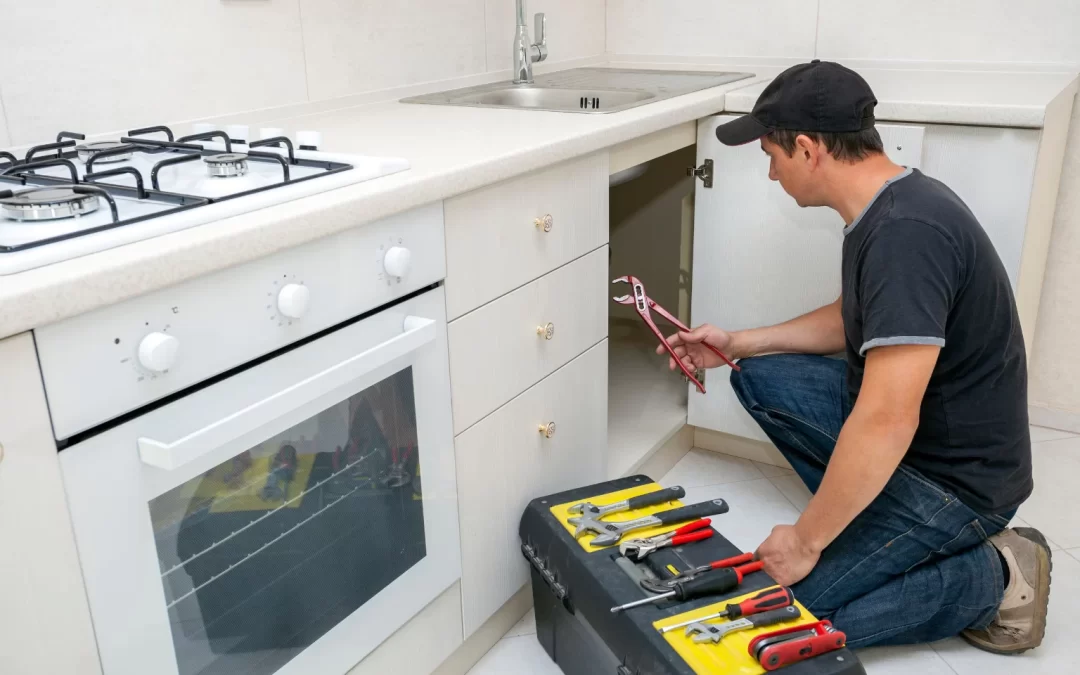
House repair services cover inspections, fixing structural and safety issues, and maintaining key systems like roofing, plumbing, electrical, and HVAC. Done right, they can prevent expensive emergencies and save you hundreds to thousands of dollars over a few years by catching problems early and improving efficiency. However, repairs still require upfront spending, and not every upgrade or contractor quote will pay off financially, so choosing wisely is essential.
This guide is for homeowners and renters who want to understand what’s included in house repair services, what they really cost, and how to choose the right contractor without overpaying. Home repairs can quickly blow up a budget when you don’t know what’s necessary, what’s optional, and what’s a sales pitch. By learning what to check first and where the real savings are, you can protect your home and your wallet.
Table of Contents
- What’s Included in House Repair Services
- Causes of High House Repair Costs
- Common Overspending Behaviors
- What to Check First Before Calling a Contractor
- Immediate Savings: Simple Fixes and Smart Calls
- Long-Term Savings and Upgrades
- When Spending More Now Saves You Later
- Common Costly Mistakes to Avoid
- When to Hire a Professional vs DIY
- Costs, Savings, and Payback Periods
- Decision Guide: Do Now, Later, DIY, or Pro?
- Frequently Asked Questions
- Summary and Next Steps
What’s Included in House Repair Services
Most house repair services fall into a few main categories. Knowing what’s typically included helps you compare quotes and avoid paying for unnecessary extras.
Typical House Repair Categories
- Structural and exterior: Roof repairs, siding, gutters, foundation cracks, windows, and doors.
- Plumbing: Leaks, clogged drains, running toilets, water heater issues, and pipe repairs.
- Electrical: Faulty outlets, breaker issues, lighting, wiring problems, and panel upgrades.
- HVAC (heating and cooling): Furnace and AC repairs, thermostat issues, and ductwork problems.
- Interior finishes: Drywall, flooring, tile, caulking, and paint touch-ups.
- Appliance repairs: Ovens, refrigerators, dishwashers, washers, and dryers.
What a Typical Service Visit Includes
- On-site inspection and diagnosis.
- A written estimate with labor and materials separated (you should ask for this).
- Repair work, cleanup, and basic testing to confirm the fix.
- Short warranty on labor and sometimes parts (often 30–90 days; longer for bigger jobs).
Some companies also offer maintenance plans, which can be cost-effective if they prevent major breakdowns, but not all plans are worth the fee. Always compare the annual cost of the plan to the likely cost of one or two service calls.
Causes of High House Repair Costs
House repairs feel expensive because you’re paying for both skilled labor and the risk the contractor takes on. But some specific factors drive costs up more than others.
Main Drivers of High Repair Costs
- Emergency and after-hours calls: Night, weekend, or holiday calls can add $100–$300+ in fees.
- Hidden damage: A small leak may have caused mold, rot, or structural damage behind walls.
- Access issues: Hard-to-reach areas (attics, crawlspaces, steep roofs) increase labor time.
- Specialized skills or licenses: Electrical, gas, and structural work often costs more per hour.
- Permits and inspections: Required for bigger jobs (e.g., major electrical, structural, or plumbing changes).
- Location and demand: High-cost-of-living areas and busy seasons (after storms, in winter) push prices up.
Many of these are unavoidable, but you can control timing, scope, and who you hire, which can easily change your total cost by 20–40%.
Common Overspending Behaviors
Most people overpay for house repair services not because of the hourly rate, but because of how they make decisions under stress. Recognizing these patterns can save you hundreds.
- Approving the first quote under pressure: Especially during emergencies, homeowners skip comparison shopping.
- Not asking for itemized estimates: This makes it hard to see inflated material costs or unnecessary line items.
- Agreeing to “while we’re here” add-ons: Some are useful; others are pure upsell.
- Ignoring small issues until they become big: A $150 repair can turn into a $1,500 replacement.
- Paying for brand-name parts when generics are fine: Often adds 20–50% to material costs with no benefit.
- Not checking warranties: Paying for repairs that should be covered by manufacturer or home warranties.
Simply getting 2–3 quotes and asking a few key questions can often cut your final bill by 10–30% without sacrificing quality.
What to Check First Before Calling a Contractor
Before you schedule house repair services, there are simple checks you can do yourself. These can solve the issue outright or at least help you describe the problem clearly, which can reduce diagnostic time and cost.
Basic Checks for Common Problems
- No power in an outlet or room:
- Check the breaker panel for a tripped breaker and reset it once.
- Press the “reset” button on any GFCI outlets (often in kitchens, bathrooms, garages).
- No heat or AC:
- Confirm the thermostat has power and fresh batteries.
- Check that the furnace or AC switch near the unit is on.
- Replace or clean the air filter if it’s dirty.
- Slow or clogged drain:
- Remove visible hair/debris from the drain cover.
- Try a plunger or a simple drain snake before chemicals.
- Leaky faucet or running toilet:
- Turn off the water supply valve under the sink or behind the toilet.
- Search the fixture’s brand and model; many have cheap, easy-to-replace parts.
- Water stain on ceiling:
- Check above the stain (bathroom, roof, or plumbing) for active leaks.
- Take photos and note when it appears (after rain, after showers, etc.).
These steps can fix minor issues or at least give your contractor better information, which can shorten the visit and reduce labor charges.
Immediate Savings: Simple Fixes and Smart Calls
There are quick actions that can reduce repair costs right away, often with little or no tools. These don’t replace professional work when needed, but they can prevent damage from getting worse and avoid premium fees.
Quick Actions That Save Money
- Stop active leaks immediately:
- Shut off water at the nearest valve or main shutoff.
- Use buckets and towels to limit water damage while you arrange repairs.
- Avoid emergency rates when possible:
- If the situation is safe and stable (e.g., water is shut off, power is off), schedule a normal-hours visit.
- This alone can save $100–$300 per call.
- Combine small jobs into one visit:
- Make a list of minor issues (loose outlets, dripping faucets, sticking doors).
- Have them handled in one trip to spread the service fee across multiple fixes.
- Buy simple parts yourself:
- Items like faucet cartridges, toilet flappers, and air filters are often cheaper at retail than through a contractor.
- Ask if they’re okay with you providing parts; some are, some aren’t.
These steps can easily save $50–$300 per incident, especially by avoiding emergency surcharges and preventing extra damage.
Long-Term Savings and Upgrades
Some repairs and upgrades reduce your monthly bills or prevent big future expenses. These are worth considering even if they cost more upfront.
Repairs and Upgrades That Pay Off Over Time
- Sealing leaks and improving insulation:
- Weatherstripping doors and windows, sealing gaps, and adding attic insulation.
- Can cut heating and cooling bills by 10–20% in many homes.
- HVAC tune-ups and filter changes:
- Annual service helps systems run efficiently and last longer.
- Reduces breakdown risk and can lower energy use by 5–15%.
- Upgrading to efficient fixtures:
- Low-flow showerheads, faucets, and toilets reduce water use.
- LED lighting cuts electricity use and bulb replacement costs.
- Preventive roof and gutter maintenance:
- Cleaning gutters and fixing small roof issues prevents water damage and rot.
- Can avoid multi-thousand-dollar repairs to walls, ceilings, and foundations.
These upgrades usually don’t pay back in a single month, but over 2–7 years they can more than cover their cost while making your home more comfortable and reliable.
When Spending More Now Saves You Later
Sometimes the cheapest quote or the smallest repair is not the best financial choice. In certain situations, paying more upfront reduces your total cost over the next 5–10 years.
Examples Where Higher Upfront Cost Makes Sense
- Old systems near the end of life:
- Spending $800–$1,200 on repeated repairs for a 20-year-old furnace may not be wise.
- Replacing it can lower energy bills and avoid emergency failures.
- Chronic water issues:
- Repeated patching of basement leaks or roof problems adds up.
- Proper drainage, waterproofing, or roof replacement can stop ongoing damage.
- Electrical safety:
- Old, overloaded panels and DIY wiring are fire risks.
- Upgrading panels and correcting wiring is expensive but protects your home and insurance coverage.
- Cheap materials that fail quickly:
- Low-quality plumbing fixtures, roofing, or flooring may need replacement in a few years.
- Mid-grade materials often last much longer for a modest price increase.
The key is to compare the cost of “repair and keep limping along” over the next 3–5 years with the cost and benefits of full replacement.
Common Costly Mistakes to Avoid
A few frequent mistakes can turn a manageable repair into a financial headache. Avoiding them is one of the easiest ways to save money on house repair services.
- Ignoring water and moisture problems:
- Small leaks, damp basements, and poor ventilation can lead to mold and structural damage.
- These are priority issues; delaying them often multiplies costs.
- Hiring unlicensed or uninsured contractors:
- They may be cheaper upfront but can leave you liable for accidents or poor work.
- Fixing bad work can cost more than doing it right the first time.
- Skipping permits when required:
- Unpermitted work can cause problems when selling or with insurance claims.
- You may be forced to redo work at your own expense.
- Over-DIY on complex systems:
- DIY electrical, gas, or structural work can be dangerous and expensive to correct.
- Stick to cosmetic and simple mechanical tasks unless you’re qualified.
- Paying too much upfront:
- Large deposits (over 30–40% for most jobs) are a red flag.
- Use staged payments tied to clear milestones.
When to Hire a Professional vs DIY
Knowing when to call a pro is as important as knowing when you can safely handle a repair yourself. The wrong choice can cost you more in the long run.
Good Candidates for DIY (Low Risk, Low Cost)
- Replacing air filters, showerheads, and faucet aerators.
- Caulking around tubs, sinks, and windows.
- Painting walls and trim.
- Installing basic light fixtures (if you’re comfortable turning off breakers and following instructions).
- Unclogging simple drains with a plunger or hand snake.
Situations Where You Should Hire a Professional
- Electrical work beyond simple fixture swaps:
- Panel work, new circuits, aluminum wiring, or anything you’re unsure about.
- Gas lines and appliances:
- Leaks, new gas lines, or moving gas appliances should always be handled by licensed pros.
- Structural changes:
- Removing walls, repairing foundations, or altering framing.
- Roofing and high ladder work:
- Risk of falls and leaks makes professional work safer and often cheaper long term.
- Major plumbing issues:
- Main line clogs, sewer backups, and hidden leaks inside walls or slabs.
As a rule, if a mistake could cause a fire, flood, structural damage, or serious injury, hire a qualified contractor.
Costs, Savings, and Payback Periods
Understanding typical costs and realistic savings helps you decide which house repairs and upgrades are worth it. Below are rough ranges; actual prices vary by region and home size.
Typical Upfront Costs
- Basic service call (non-emergency): $75–$200 for diagnosis and minor fixes.
- Plumbing repairs:
- Simple leaks or clogs: $150–$400.
- Water heater replacement: $900–$2,000+.
- Electrical repairs:
- Outlet or switch repair: $100–$250.
- Panel upgrade: $1,500–$3,000+.
- HVAC:
- Tune-up: $80–$200.
- System replacement: $4,000–$10,000+ depending on size and efficiency.
- Roof repairs:
- Minor shingle repairs: $200–$600.
- Full replacement: $6,000–$15,000+.
Monthly Savings Estimates
- Weatherstripping and sealing air leaks:
- Upfront: $50–$300 (DIY or handyman).
- Monthly savings: $10–$30 on heating/cooling.
- Payback: ~6–24 months.
- Attic insulation upgrade:
- Upfront: $1,000–$3,000.
- Monthly savings: $20–$60.
- Payback: ~3–7 years.
- HVAC tune-up and filter changes:
- Upfront: $100–$250 per year.
- Monthly savings: $5–$20 in energy plus fewer breakdowns.
- Payback: ~1–3 years when factoring in avoided repairs.
- Low-flow fixtures and toilet:
- Upfront: $150–$600.
- Monthly savings: $5–$20 on water/sewer.
- Payback: ~1–5 years.
- LED lighting:
- Upfront: $50–$200 for bulbs.
- Monthly savings: $5–$15 on electricity.
- Payback: ~6–24 months.
When Savings Are Small vs Significant
- Small but steady savings:
- LED bulbs, faucet aerators, and basic weatherstripping.
- Good value, but don’t expect huge monthly bill drops.
- Significant savings:
- Major insulation improvements, high-efficiency HVAC, and fixing big air leaks.
- These can noticeably reduce energy bills and improve comfort.
When a Repair or Upgrade Is Not Worth the Cost
- Expensive cosmetic upgrades in a home you plan to sell soon, unless they clearly raise resale value.
- High-end fixtures or finishes in low-traffic areas where mid-range options perform just as well.
- Over-sizing HVAC systems “just in case,” which can increase costs and reduce efficiency.
Always compare the total cost to realistic savings or value over the time you expect to stay in the home.
Decision Guide: Do Now, Later, DIY, or Pro?
Use this simple framework to decide how to handle each house repair.
Do It Now vs Later
- Do now (urgent):
- Active leaks, electrical burning smells, gas odors, and structural cracks that are growing.
- Delaying can cause safety issues or major damage.
- Do soon (within months):
- Worn roof shingles, aging water heaters, and minor foundation settling.
- Plan and budget, but don’t ignore.
- Do later (when budget allows):
- Cosmetic updates, minor drafts, and non-urgent efficiency upgrades.
- Track them in a home maintenance list and tackle as funds free up.
Quick Fix vs Long-Term Investment
- Quick fix:
- Best when you need time to save for a proper repair or plan a remodel.
- Example: patching a small section of roof while you budget for full replacement.
- Long-term investment:
- Best when the system is old, inefficient, or failing repeatedly.
- Example: replacing an old furnace instead of paying for frequent repairs.
DIY vs Professional
- Choose DIY when:
- The task is simple, low-risk, and you can follow clear instructions.
- Tools are inexpensive and mistakes are easy to fix.
- Choose professional when:
- Permits, codes, or safety risks are involved.
- The repair affects major systems (electrical, gas, structure, main plumbing).
Cheap Fix vs Quality Upgrade
- Cheap fix:
- Use when you’re moving soon or the item is near the end of its life anyway.
- Focus on safety and function, not aesthetics.
- Quality upgrade:
- Use when you plan to stay for several years and the upgrade improves comfort, efficiency, or resale value.
- Mid-range quality often offers the best value.
Frequently Asked Questions
How much should I budget each year for house repairs?
A common guideline is to set aside 1–3% of your home’s value per year for repairs and maintenance. For a $300,000 home, that’s $3,000–$9,000 annually, though some years you’ll spend less and some years more (for big items like roofs or HVAC). Having this fund helps you avoid high-interest debt when something breaks.
Is a home warranty worth it for repair costs?
Home warranties can be helpful if you have older systems and limited savings, but they come with service fees, coverage limits, and exclusions. Compare the annual cost plus service fees to what you’d expect to pay out of pocket, and read reviews carefully to see how often claims are denied.
How many quotes should I get for a house repair?
For small jobs under a few hundred dollars, one trusted contractor may be enough. For bigger projects (over $1,000), getting 2–3 written, itemized quotes helps you spot outliers and negotiate better pricing or scope.
Should I always choose the lowest bid?
No. The lowest bid can sometimes mean cheaper materials, rushed work, or missing items that become “extras” later. Compare what’s included, check reviews and references, and choose the best value, not just the lowest price.
How can I tell if a contractor is trustworthy?
Look for proper licensing and insurance, clear written estimates, and a physical address and phone number. Check online reviews, ask for references, and be cautious of high-pressure sales tactics or requests for large upfront payments.
What regular maintenance prevents the most expensive repairs?
Cleaning gutters, changing HVAC filters, checking for leaks, sealing gaps, and having annual HVAC and roof inspections prevent many major issues. These low-cost tasks can save thousands by catching problems early.
Summary and Next Steps
House repair services cover everything from small fixes to major system replacements, and the way you approach them can make a big difference in cost. By understanding what’s included, checking simple things first, and knowing when to invest in long-term solutions, you can avoid many emergencies and save hundreds to thousands of dollars over time.
Your next steps:
- Make a short list of current issues in your home and sort them into “urgent,” “soon,” and “later.”
- Handle simple DIY tasks like air filters, caulking, and basic weatherstripping.
- For bigger jobs, get 2–3 itemized quotes from licensed, insured contractors and compare scope, not just price.
- Start or grow a home repair fund so you can choose the best repair option instead of the cheapest emergency fix.
For more ways to cut home-related costs and plan repairs without breaking your budget, explore the money-saving guides on BestHomeSavings.com, such as articles on reducing utility bills and planning home maintenance over the year.