
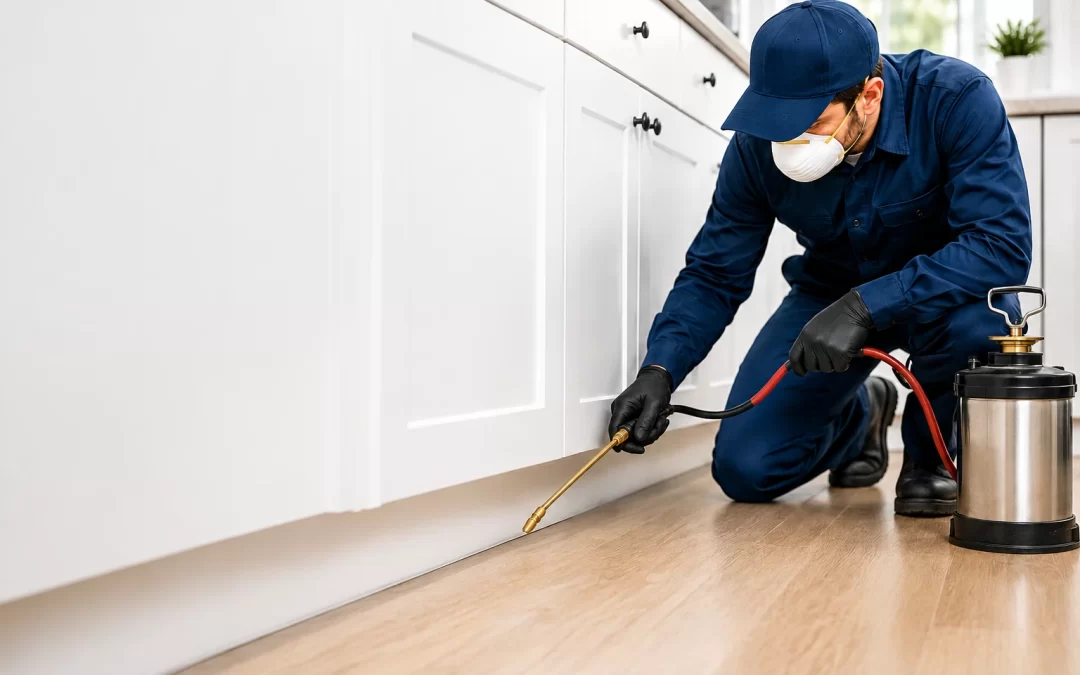
Pest control typically costs between $100 and $600 for a one-time visit, while recurring pest control plans often range from $300 to $900 per year. Monthly service may cost around $40–$75 per visit after the initial treatment, and quarterly service often costs $100–$300 per visit. The final price depends on the type of pest, size of the home, severity of the infestation, and whether the service is preventive or corrective.
Table of Contents
- Quick Summary
- Cost Breakdown
- One-Time vs Recurring Pest Control
- When Pest Control Makes Sense
- Common Mistakes
- Frequently Asked Questions
Quick Summary
- One-time pest control usually costs $100–$600.
- Annual pest control plans often cost $300–$900 per year.
- Monthly service may cost $40–$75 per visit after the initial visit.
- Quarterly service commonly costs $100–$300 per visit.
- Specialty pests such as termites, bed bugs, or rodents may cost more.
- Infestation severity is one of the biggest factors affecting price.
Cost Breakdown
Pest control costs depend on the type of pest, the treatment method, the size of the property, and whether the homeowner needs a one-time treatment or ongoing prevention. General pest control for ants, spiders, roaches, and common household insects is usually less expensive than specialized treatment for termites, bed bugs, or rodents.
One-Time Pest Control Cost
- Basic one-time treatment: $100–$250
- Standard one-time treatment: $250–$400
- Severe infestation or complex treatment: $400–$600+
A one-time treatment is often used when the problem is isolated, such as ants in one area, spiders around the home, or a small roach issue. Larger infestations may require follow-up visits.
Initial Visit Cost
- Initial inspection and treatment: $150–$300
- Detailed inspection for specialty pests: $200–$400+
The first visit often costs more than follow-up visits because it may include an inspection, pest identification, treatment plan, and initial application.
Recurring Pest Control Cost
- Monthly pest control: $40–$75 per visit
- Quarterly pest control: $100–$300 per visit
- Annual pest control plan: $300–$900 per year
Recurring service is usually used for prevention or ongoing pest pressure. Homes in wooded areas, humid climates, or neighborhoods with recurring pest activity may benefit from routine treatments.
Cost by Pest Type
- Ant treatment: $100–$300
- Spider treatment: $100–$300
- Roach treatment: $150–$500
- Rodent control: $200–$1,200
- Bed bug treatment: $500–$1,500+
- Termite treatment: $500–$2,500+
- Wasp or hornet nest removal: $150–$500
Specialty pests are more expensive because they may require targeted products, multiple visits, monitoring, exclusion work, or structural treatment.
Additional Costs
- Follow-up visit: $75–$200
- Exterior perimeter treatment: $100–$250
- Rodent exclusion or sealing entry points: $300–$1,000+
- Termite inspection: $75–$200
- Emergency or same-day service: $100–$300 extra
Additional costs are more likely when pests have entered walls, attics, crawl spaces, basements, or hard-to-reach areas.
Factors That Influence Pest Control Costs
- Type of pest – General insects usually cost less than termites, bed bugs, or rodents.
- Infestation severity – Larger infestations require more labor, materials, and follow-up visits.
- Home size – Larger homes usually require more treatment area.
- Treatment location – Attics, crawl spaces, wall voids, and exterior structures can increase labor.
- Service frequency – Recurring plans may lower the per-visit cost.
- Local labor rates – Prices vary by region and availability of pest control providers.
One-Time vs Recurring Pest Control
Homeowners often choose between one-time pest control and recurring service. The best option depends on whether the pest problem is temporary, seasonal, or ongoing.
One-Time Pest Control
- Best for isolated pest problems
- Usually costs more per visit than recurring service
- May not prevent pests from returning
- May require follow-up treatments for larger infestations
One-time pest control works best when the issue is limited, easy to identify, and not part of a recurring seasonal pattern.
Recurring Pest Control
- Best for ongoing prevention
- Often billed monthly, quarterly, or annually
- May include exterior treatments and follow-up visits
- Can help reduce seasonal pest problems
Recurring service may make sense for homeowners who regularly see ants, spiders, roaches, mice, wasps, or other pests throughout the year.
When Pest Control Makes Sense
Professional pest control makes sense when a pest problem is difficult to identify, keeps coming back, or could damage the home. While some minor issues can be handled with store-bought products, larger infestations often require professional treatment.
Common Reasons Homeowners Hire Pest Control
- Recurring ants, spiders, roaches, or other insects
- Rodent activity in the attic, basement, garage, or walls
- Termite concerns or visible wood damage
- Bed bug activity in bedrooms or furniture
- Wasp, hornet, or bee nests near living areas
- Preventive seasonal treatments
Pest control is especially important when pests may affect health, food safety, insulation, wiring, or structural materials.
How Often Should Pest Control Be Done?
- Occasional pest issue: one-time treatment
- Seasonal pest problems: quarterly service
- Heavy pest pressure: monthly service
- Termite monitoring: annual inspection or service plan
Many homeowners choose quarterly pest control because it provides seasonal coverage without requiring monthly visits.
Common Mistakes
Homeowners often make several mistakes when trying to control pests without a clear plan.
Waiting Too Long to Treat the Problem
Small pest problems can grow quickly. Delaying treatment may allow insects, rodents, or termites to spread into walls, attics, or other hidden areas.
Using the Wrong Product
Different pests require different treatment methods. A product that works for ants may not work for roaches, termites, bed bugs, or rodents.
Only Treating What Is Visible
Many pests hide behind walls, under cabinets, in crawl spaces, or near entry points. Treating only the visible area may not solve the underlying problem.
Ignoring Entry Points
Rodents and insects can return if gaps, cracks, vents, or utility openings are not sealed properly.
Assuming All Pest Control Plans Are the Same
Service plans vary by company. Homeowners should compare what is included, how often treatments occur, whether follow-up visits are covered, and which pests are excluded.
Frequently Asked Questions
How much does pest control cost for a house?
Pest control for a house typically costs $100–$600 for a one-time treatment. Recurring plans often cost $300–$900 per year, depending on service frequency and pest type.
Is quarterly pest control worth it?
Quarterly pest control may be worth it for homeowners who deal with seasonal pests or recurring infestations. It can help prevent problems before they become larger and more expensive.
Why is the first pest control visit more expensive?
The first visit often includes inspection, pest identification, treatment planning, and the initial application. Follow-up visits are usually less expensive because the treatment plan is already in place.
What pests cost the most to treat?
Termites, bed bugs, and rodents are usually more expensive to treat than general household insects because they may require multiple visits, specialized treatments, or exclusion work.
Can homeowners do pest control themselves?
Homeowners can sometimes handle minor pest problems with basic products, cleaning, and sealing entry points. Professional pest control is usually better for recurring infestations, rodents, termites, bed bugs, or pests in hidden areas.