
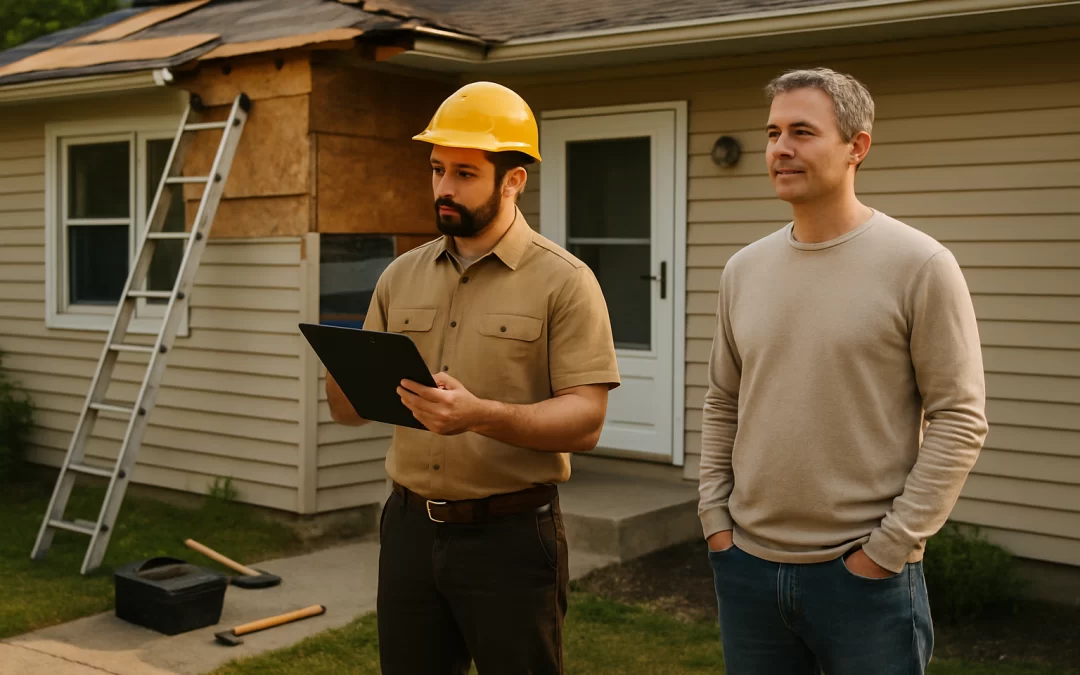
Home repair grants are programs that give you money you do not have to pay back to fix health, safety, or accessibility problems in your home. They can reduce repair costs by hundreds or even tens of thousands of dollars, especially for low-income, senior, or disabled homeowners. However, grants are limited, competitive, and often come with strict rules about who qualifies and what work is allowed.
These programs are designed for homeowners who can’t afford critical repairs like roof leaks, unsafe wiring, broken heating, or accessibility modifications. Because even basic repairs can cost thousands of dollars, knowing how home repair grants work can help you avoid debt, prevent bigger damage, and keep your home safe and livable.
Table of Contents
- How Home Repair Grants Work
- Why Home Repairs Get So Expensive
- Common Ways People Overspend on Home Repairs
- What to Check First Before Applying for Grants
- Immediate Savings: Home Repair Grants and Low-Cost Options
- Long-Term Savings and Upgrades That Pay Off
- When Spending Money Now Saves More Later
- Common Costly Mistakes With Home Repair Grants
- When to Hire a Professional Instead of DIY
- Cost & Savings Estimates for Common Repairs
- How to Decide Your Best Next Step
- Frequently Asked Questions
- Summary and Next Steps
How Home Repair Grants Work
Home repair grants are usually funded by federal, state, or local governments, or by nonprofits. The money is typically paid directly to contractors or reimbursed after approved work is completed, not handed to you as cash.
Most programs focus on repairs that:
- Fix health and safety hazards (roof leaks, unsafe wiring, broken plumbing)
- Improve accessibility (ramps, grab bars, bathroom modifications)
- Address code violations or weather-related damage
To qualify, you usually must meet income limits, live in the home as your primary residence, and stay in the home for a certain number of years after the work is done. Some programs are true grants, while others are “forgivable loans” that turn into grants if you meet the rules for a set period.
Why Home Repairs Get So Expensive
Home repairs become costly for a few main reasons:
- Emergency timing: Waiting until something fails means paying rush prices and having fewer options.
- Hidden damage: A small leak or crack can hide mold, rot, or structural issues that multiply costs.
- Labor and materials: Skilled labor and building materials have risen sharply in price in recent years.
- Code and permit requirements: Even simple fixes may require upgrades to current building codes.
For low- and moderate-income homeowners, a $5,000–$15,000 repair can be completely out of reach. That’s where home repair grants and related programs can make the difference between a safe home and ongoing damage or even displacement.
Common Ways People Overspend on Home Repairs
Many homeowners pay more than they need to because of a few common behaviors:
- Acting in a panic: Saying yes to the first contractor during an emergency without comparing bids.
- Focusing on cosmetics first: Paying for new countertops or paint while ignoring leaks or electrical issues that cause bigger costs later.
- Not checking for assistance: Skipping grant and low-interest loan programs that could cover part or all of the work.
- Over-repairing: Choosing high-end materials or full replacements when a safe, lower-cost repair would be enough.
- Financing at high interest: Putting repairs on credit cards or high-rate loans instead of exploring subsidized options.
Being deliberate—getting multiple quotes, asking about scope, and checking for grants—can easily save hundreds to thousands of dollars on a single project.
What to Check First Before Applying for Grants
Before you start filling out applications, get clear on your situation. This helps you target the right programs and avoid wasting time.
1. Your Home’s Condition and Priority Repairs
- List all current problems (roof, plumbing, electrical, heating/cooling, foundation, accessibility).
- Mark anything that affects safety, health, or basic livability as “urgent.”
- Take photos and keep notes; these are often required in applications.
2. Your Ownership and Occupancy Status
- Confirm your name is on the deed or title (most grants require you to be the owner).
- Verify that the home is your primary residence, not a rental or vacation property.
- Check if there are any liens or tax issues that might affect eligibility.
3. Your Income and Household Size
- Gather recent tax returns, pay stubs, or benefit letters (Social Security, disability, pensions).
- Know how many people live in the home and their ages.
- Compare your income to local “area median income” (AMI) if listed in program rules.
4. Local Programs and Basic Eligibility
Look for:
- City or county housing or community development departments
- State housing finance agencies
- Nonprofits that do home repairs for seniors, veterans, or disabled homeowners
Many programs list clear income limits, age requirements (for example, 62+), or target areas (certain neighborhoods). Skimming these first helps you focus on the programs you’re most likely to qualify for.
Immediate Savings: Home Repair Grants and Low-Cost Options
For urgent repairs, you may be able to reduce or eliminate out-of-pocket costs quickly if you know where to look.
1. Federal and USDA Home Repair Programs
- USDA Section 504 Home Repair Program: Offers grants up to a set limit for very low-income homeowners in eligible rural areas, especially seniors, to remove health and safety hazards.
- HUD-related programs: HUD funds many local home repair and rehabilitation programs, often run by city or county agencies.
These can cover major items like roofs, heating systems, or electrical hazards. Savings can range from $2,500 to $10,000+ depending on the project and program limits.
2. Local Government Home Repair Grants
Many cities and counties offer:
- Emergency repair grants for issues like no heat, serious leaks, or unsafe wiring
- Weatherization programs that improve insulation, seal drafts, and repair or replace inefficient heating systems
- Accessibility grants for ramps, grab bars, and bathroom modifications
These programs can cut your repair costs by 50–100% if you qualify, but funds are often limited and may run on a first-come, first-served basis.
3. Nonprofit and Charity Programs
Some nonprofits provide free or low-cost repairs, especially for seniors, veterans, and disabled homeowners. Examples include:
- Organizations that host volunteer repair days for critical fixes
- Faith-based groups that help with accessibility or safety improvements
- Local disability or aging agencies that fund small modifications
These can be especially helpful for smaller but important projects like grab bars, handrails, or minor plumbing and electrical fixes.
4. Utility and Weatherization Programs
Utility companies and state weatherization programs may offer:
- Free or discounted insulation and air sealing
- Furnace or water heater tune-ups or replacements
- Energy audits that identify the biggest sources of energy waste
These can reduce monthly utility bills by $20–$100 or more, depending on your home and climate, with little or no upfront cost if you qualify.
Long-Term Savings and Upgrades That Pay Off
Some repairs and upgrades don’t just fix a problem—they lower your ongoing costs. Grants and low-interest loans can make these more affordable.
1. Energy-Efficient Heating and Cooling
- Replacing an old furnace or air conditioner with an efficient model can cut heating and cooling bills by 20–40%.
- Monthly savings: often $30–$100, depending on your climate and current system.
- Payback period: 5–10 years without assistance; much shorter if part of the cost is covered by grants or rebates.
2. Insulation and Air Sealing
- Adding attic insulation and sealing air leaks is one of the most cost-effective upgrades.
- Upfront cost: $1,000–$3,000 for many homes, sometimes less with programs.
- Monthly savings: $20–$60 on heating and cooling; payback in 3–7 years, faster with incentives.
3. Roof Repairs and Replacements
- Fixing leaks early prevents mold, rot, and structural damage that can cost tens of thousands later.
- Upfront cost: patching may be a few hundred dollars; full replacement often $7,000–$15,000+.
- Savings: avoiding major interior damage and preserving home value; not always a direct monthly savings but a major long-term financial protection.
4. Accessibility and Aging-in-Place Improvements
- Ramps, wider doors, grab bars, and bathroom modifications can prevent falls and allow you to stay in your home longer.
- Upfront cost: a few hundred dollars for simple changes to $10,000+ for full bathroom remodels.
- Savings: avoiding assisted living or nursing home costs, which can be thousands per month.
When Spending Money Now Saves More Later
Some repairs feel expensive but are cheaper than the damage they prevent. Even if you don’t get a grant, delaying can cost more.
1. Water Leaks and Moisture Problems
- Small roof or plumbing leaks can lead to mold, damaged drywall, ruined flooring, and structural rot.
- Fixing a leak for $200–$1,000 now can prevent $5,000–$20,000 in damage later.
- Grants often prioritize these because they are health and safety issues.
2. Electrical Hazards
- Old wiring, overloaded circuits, and ungrounded outlets increase fire risk.
- Upgrading critical electrical components may cost $500–$5,000, but a house fire can be financially devastating.
- Many programs will fund electrical work that removes safety hazards.
3. Failing Heating Systems
- A failing furnace or boiler can leave you without heat and cause frozen pipes.
- Replacing a system before it fails may qualify for more programs and avoid emergency rates.
- Energy-efficient systems can also reduce monthly bills, improving long-term affordability.
Common Costly Mistakes With Home Repair Grants
Missteps with grants and repairs can cost you time and money. Avoid these pitfalls:
- Starting work before approval: Many programs will not reimburse work that began before you were officially approved.
- Ignoring program rules: Using funds for unapproved work can mean losing the grant or having to repay it.
- Not getting everything in writing: Vague contractor bids can lead to surprise costs not covered by the grant.
- Missing deadlines: Some programs have strict timelines for completing work and submitting paperwork.
- Assuming you don’t qualify: Income limits, age requirements, and target areas vary widely; it’s worth checking even if you’re unsure.
When to Hire a Professional Instead of DIY
Doing it yourself can save money, but some jobs are too risky or complex to handle without a pro.
Hire a Professional When:
- The work involves electrical panels, major wiring, or gas lines.
- Structural elements (foundation, load-bearing walls, roof framing) are affected.
- Permits and inspections are required by your local building department.
- You’re using grant funds that require licensed and insured contractors.
DIY May Be Reasonable For:
- Minor painting, caulking, and weatherstripping
- Simple faucet or showerhead replacements
- Installing basic grab bars (if you follow proper anchoring instructions)
Even with DIY, be realistic about your skills. A mistake on a major system can cost more to fix than hiring a professional from the start.
Cost & Savings Estimates for Common Repairs
Actual costs vary by location and home size, but these ranges can help you understand potential savings and payback periods.
Roof Repair or Replacement
- Upfront cost: $300–$1,500 for minor repairs; $7,000–$15,000+ for full replacement.
- Possible grant coverage: 25–100% of cost for eligible low-income homeowners, especially for severe leaks.
- Savings: Avoiding interior damage and mold; protecting home value.
- When it’s worth it: If leaks are present or the roof is near the end of its life; delaying often leads to much higher costs.
Heating System Replacement
- Upfront cost: $4,000–$9,000 for a typical furnace or boiler replacement.
- Possible assistance: Grants, rebates, or low-interest loans may cover $1,000–$5,000+ depending on program and efficiency level.
- Monthly savings: $30–$100 on energy bills for many homes.
- Payback period: 5–10 years without assistance; 2–6 years with strong incentives.
- When not worth it: If your current system is relatively new and efficient, or if you plan to move very soon.
Insulation and Air Sealing
- Upfront cost: $1,000–$3,000 for attic insulation and basic air sealing.
- Possible assistance: Weatherization programs may cover most or all of the cost for qualifying households.
- Monthly savings: $20–$60 on heating and cooling.
- Payback period: 3–7 years without assistance; often under 3 years with incentives.
- When savings are small: In very mild climates or already well-insulated homes.
Accessibility Modifications
- Upfront cost: $200–$800 for grab bars and minor changes; $3,000–$10,000+ for ramps or bathroom remodels.
- Possible assistance: Grants from local agencies, nonprofits, or veteran programs may cover a large share.
- Savings: Avoiding injury, hospital stays, and long-term care costs.
- When it’s worth it: If you or a household member has mobility challenges or plans to age in place.
Small Safety Repairs (Smoke Detectors, Handrails, GFCI Outlets)
- Upfront cost: Often under $500 for multiple items.
- Possible assistance: Some programs bundle these into larger repair projects or volunteer days.
- Savings: Preventing fires, falls, and electrical shocks; protecting health and property.
- Payback period: Immediate in terms of risk reduction.
How to Decide Your Best Next Step
Use these questions to choose between acting now or later, DIY or professional, and basic repair versus upgrade.
Do It Now vs. Later
- Do it now if the issue affects safety, health, or basic livability (no heat, active leaks, electrical hazards).
- Consider waiting if the repair is cosmetic or minor and you’re actively applying for grants or saving for a better solution.
Quick Fix vs. Long-Term Investment
- Quick fix is better when you need to stop immediate damage (patching a leak, temporary support) while you line up funding for a full repair.
- Long-term investment makes sense when a full repair or replacement will clearly prevent bigger costs or lower monthly bills.
DIY vs. Professional
- Choose DIY for low-risk, simple tasks you can learn safely (painting, weatherstripping, basic caulking).
- Choose professional for anything involving structure, electrical, gas, or major plumbing—or when required by grant rules.
Cheap Fix vs. Upgrade
- Cheap fix is fine when it safely extends the life of something without risking bigger damage.
- Upgrade is better when the old system is failing, inefficient, or unsafe, and when you can use grants, rebates, or low-interest financing.
For more ways to stretch your home budget and compare repair versus replacement decisions, you can explore additional money-saving guides at BestHomeSavings.com.
Frequently Asked Questions
Who qualifies for home repair grants?
Most home repair grants are aimed at low- or very low-income homeowners, often with extra priority for seniors, disabled individuals, and veterans. You usually must live in the home as your primary residence and meet income and location requirements. Each program has its own rules, so it’s important to check local guidelines.
Can renters get help with home repairs?
Traditional home repair grants are usually for homeowners, but renters may benefit indirectly when landlords use certain programs. Renters can sometimes access assistance for accessibility modifications or energy-saving measures through local agencies or nonprofits. It’s worth asking your landlord and local housing organizations what’s available.
Do I have to pay back a home repair grant?
True grants do not have to be repaid as long as you follow the program rules. Some programs offer “forgivable loans,” which turn into grants if you stay in the home or meet other conditions for a set number of years. Always read the agreement carefully so you understand any payback triggers.
How long does it take to get approved for a home repair grant?
Approval times vary widely, from a few weeks to several months, depending on the program and demand. Emergency repair programs may move faster for urgent issues like no heat or severe leaks. Applying early and submitting complete paperwork can help avoid delays.
What if I don’t qualify for any grants?
If you don’t qualify for grants, you may still have options like low-interest home repair loans, utility rebates, and weatherization programs. You can also reduce costs by prioritizing the most critical repairs, getting multiple bids, and doing safe DIY tasks where appropriate. In some cases, negotiating payment plans with contractors can make necessary work more manageable.
Are home repair grants worth the effort to apply?
Yes, if you have significant repair needs and meet basic eligibility, the potential savings are usually worth the paperwork. A few hours of gathering documents and filling out forms can lead to thousands of dollars in assistance. The main tradeoff is time and patience, since funds are limited and approval is not guaranteed.
Summary and Next Steps
Home repair grants can dramatically reduce the cost of critical repairs, especially for low-income, senior, and disabled homeowners. They are best used for health, safety, and accessibility projects that prevent bigger damage and protect your ability to stay in your home.
To move forward:
- List and prioritize your most urgent repair needs, focusing on safety and health.
- Gather income, ownership, and household information.
- Search for local home repair grants, weatherization programs, and nonprofit assistance in your city or county.
- Get at least two contractor estimates for major work, and confirm any program requirements before starting.
By combining grants, rebates, and smart repair decisions, many homeowners can save hundreds to thousands of dollars, avoid high-interest debt, and keep their homes safe and affordable for the long term. For more practical ways to cut home costs and plan repairs, visit the guides and resources at BestHomeSavings.com.