
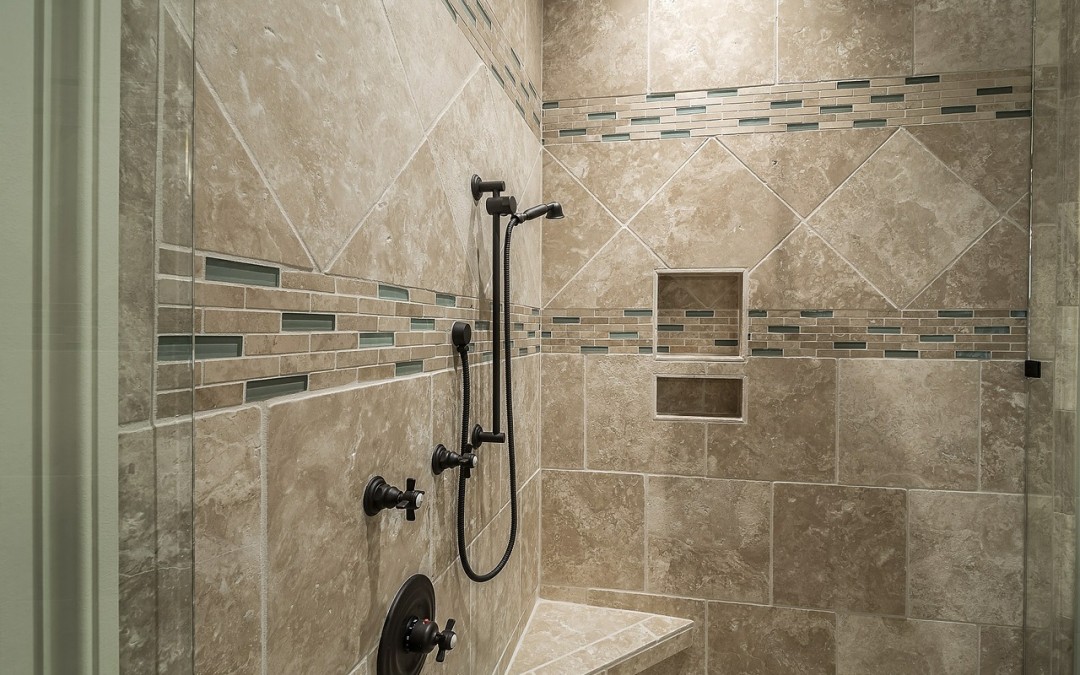
Planning a bathroom remodel costs between $6,000 and $25,000 for most homeowners, depending on the bathroom size, materials chosen, labor costs, and whether plumbing or layout changes are required. Smaller cosmetic updates may cost under $8,000, while larger renovations with custom tile, new plumbing fixtures, and structural updates can exceed $30,000. Careful planning helps homeowners understand where the budget goes and how to prioritize upgrades before construction begins.
Table of Contents
- Quick Summary
- Bathroom Remodel Planning Cost Breakdown
- Budget vs Mid-Range vs High-End Remodel
- When Planning a Bathroom Remodel Makes Sense
- Common Bathroom Remodeling Planning Mistakes
- Frequently Asked Questions
Quick Summary
- Most bathroom remodels cost between $6,000 and $25,000.
- Small cosmetic updates can cost $2,500–$8,000.
- Mid-range bathroom remodels typically cost $12,000–$25,000.
- High-end remodels with luxury finishes may exceed $40,000.
- Tile installation, plumbing changes, and cabinetry are the largest cost factors.
- Keeping the current bathroom layout can significantly reduce remodeling costs.
- Homeowners should plan for an additional 10–20% contingency budget for unexpected repairs.
Bathroom Remodel Planning Cost Breakdown
Planning a bathroom remodel involves evaluating several cost categories before construction begins. Understanding these components helps homeowners build a realistic renovation budget and prioritize improvements.
Design and Planning Costs
Before demolition begins, many projects require planning work such as measurements, layout design, and material selection.
- Basic planning and consultation: $200–$800
- Professional bathroom design services: $800–$3,000+
While some homeowners plan the renovation themselves, professional design services may help optimize small spaces and avoid costly layout mistakes.
Demolition and Preparation
Removing old fixtures, tile, flooring, and cabinetry is often the first step in a remodel. Labor costs vary depending on the complexity of the demolition.
- Small bathroom demolition: $500–$1,500
- Larger or complex demolition: $1,500–$3,000+
If hidden damage such as mold, water leaks, or structural problems is discovered during demolition, repair costs may increase.
Plumbing and Fixture Installation
Plumbing costs depend heavily on whether fixtures remain in their current locations. Moving plumbing lines requires additional labor and may involve opening walls or floors.
- New toilet installation: $200–$800
- Shower or bathtub installation: $1,000–$6,000+
- Double vanity plumbing setup: $1,500–$4,000+
Keeping the existing layout is one of the most effective ways to reduce overall remodeling costs.
Flooring and Tile Work
Tile installation is often one of the most labor-intensive parts of a bathroom remodel.
| Material Type | Typical Installed Cost |
|---|---|
| Ceramic tile | $8 – $20 per square foot |
| Porcelain tile | $10 – $25 per square foot |
| Natural stone tile | $20 – $40+ per square foot |
Custom tile layouts, accent walls, or heated flooring systems can increase costs significantly.
Cabinetry and Vanities
Vanities are a major visual focal point in most bathrooms.
- Stock vanity: $300–$1,200
- Mid-range vanity with stone countertop: $1,200–$3,500
- Custom vanity cabinetry: $3,000–$10,000+
Double vanities are common in primary bathrooms but require more space and plumbing.
Lighting, Ventilation, and Electrical
Bathrooms require proper lighting and ventilation to prevent moisture problems.
- Vanity lighting installation: $150–$800
- Recessed lighting: $300–$1,200
- Ventilation fan replacement: $200–$900
Improved lighting can make a bathroom feel larger and more functional.
Budget vs Mid-Range vs High-End Remodel
Bathroom remodels vary widely depending on the level of materials and features chosen. The following comparison shows typical differences between budget, mid-range, and high-end projects.
| Remodel Level | Typical Cost Range | Common Features |
|---|---|---|
| Budget Remodel | $2,500 – $8,000 | New fixtures, paint, basic vanity replacement |
| Mid-Range Remodel | $10,000 – $25,000 | New tile, upgraded shower, improved lighting |
| High-End Remodel | $25,000 – $50,000+ | Custom cabinetry, luxury tile, glass showers, heated floors |
Most homeowners fall within the mid-range category, where improvements focus on both aesthetics and functionality.
When Planning a Bathroom Remodel Makes Sense
A bathroom remodel is often worthwhile when the existing space no longer meets the homeowner’s needs or has visible wear and damage.
- The bathroom has outdated fixtures or materials.
- Tile or flooring shows signs of water damage.
- The layout is inefficient or lacks storage.
- Ventilation and lighting are inadequate.
- The homeowner plans to sell and wants to improve buyer appeal.
Even smaller updates, such as replacing fixtures or updating lighting, can improve the appearance and functionality of a bathroom without requiring a full renovation.
Common Bathroom Remodeling Planning Mistakes
- Underestimating labor costs: Labor often represents a large portion of the project budget.
- Changing the layout unnecessarily: Moving plumbing fixtures increases complexity and cost.
- Ignoring ventilation needs: Poor ventilation can lead to moisture damage and mold.
- Choosing materials based only on appearance: Some materials require more maintenance than others.
- Skipping contingency planning: Unexpected issues may arise during demolition.
Careful planning and realistic budgeting help prevent many of these problems before construction begins.
Frequently Asked Questions
How much should homeowners budget for a bathroom remodel?
Most homeowners spend between $10,000 and $25,000 for a typical bathroom remodel. Costs vary depending on bathroom size, materials, labor rates, and whether plumbing or structural changes are required.
What is the most expensive part of a bathroom remodel?
Tile work, plumbing changes, and custom cabinetry are often the most expensive components. Shower installations with custom tile and glass enclosures frequently account for a large portion of the budget.
How long does a bathroom remodel usually take?
A simple cosmetic renovation may take one to two weeks, while a full remodel involving tile work, plumbing updates, and inspections may take three to six weeks.
Can homeowners save money by doing part of the remodel themselves?
Some tasks, such as painting, installing hardware, or replacing fixtures, can be done by homeowners. However, plumbing, electrical work, and waterproofing are often best handled by licensed professionals.
Should homeowners expect unexpected costs during remodeling?
Yes. Hidden problems such as water damage, outdated plumbing, or structural issues may appear during demolition. Setting aside a 10–20% contingency fund helps manage these unexpected expenses.