
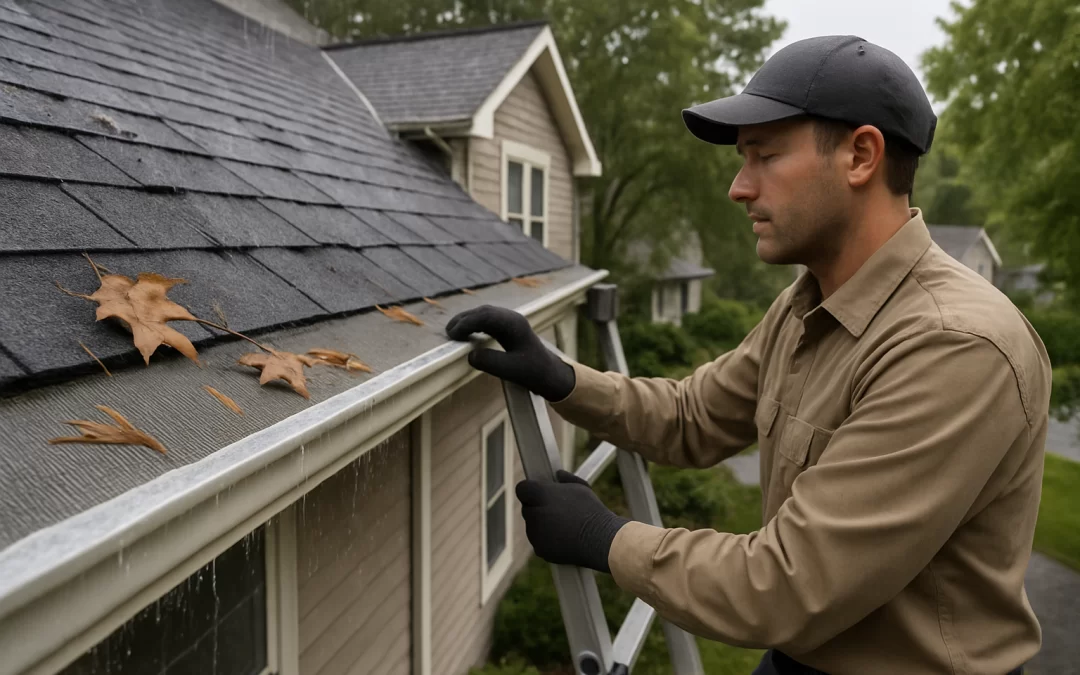
Best gutter guard systems can reduce gutter cleaning, prevent water damage, and save homeowners hundreds to thousands of dollars over time by avoiding repairs to roofs, siding, and foundations. A quality system typically costs $800–$3,000 installed for an average home, but it can prevent far more expensive problems like basement leaks or wood rot. Most homeowners will not “make money” month-to-month, but they save on cleaning costs and major repairs over 5–15 years. The main tradeoff is that higher-quality, low-maintenance systems require a larger upfront investment and still need occasional inspection.
Gutters that clog and overflow can quietly cause some of the most expensive home repairs—often years after the problem starts. Gutter guards are a preventative upgrade that can cut down on cleaning, reduce risk of water damage, and help protect your home’s value. This guide explains which gutter guard systems are worth the money, what they cost, and how to choose the best option for your budget and roof.
Table of Contents
- What Are Gutter Guards and How Do They Save You Money?
- Why Gutters End Up Costing Homeowners So Much
- Common Ways People Overspend on Gutter Guards
- Types of Gutter Guard Systems: Pros, Cons & Costs
- What to Check First Before Buying Gutter Guards
- Quick Ways to Save Money on Gutter Maintenance Right Now
- Long-Term Savings: When Gutter Guards Pay Off
- Gutter Guard Cost & Savings: Realistic Numbers
- When Spending More on Gutter Guards Actually Saves Money
- Mistakes That Cost Homeowners Money With Gutter Guards
- DIY vs Professional Gutter Guard Installation
- Decision Guide: Are Gutter Guards Worth It for You?
- Frequently Asked Questions
- Summary: Key Takeaways and Next Steps
What Are Gutter Guards and How Do They Save You Money?
Gutter guards are covers, screens, or inserts that sit on top of or inside your gutters to keep leaves and debris out while letting water flow through. Their main job is to reduce clogs and overflow.
They save money by:
- Reducing how often you pay for gutter cleaning
- Lowering the risk of water damage to your roof, fascia, siding, and foundation
- Helping prevent mold, wood rot, and ice dams in cold climates
- Extending the life of your gutters and downspouts
For many homeowners, the biggest financial benefit is avoiding large repair bills later—such as foundation cracks, basement water damage, or exterior repainting caused by overflowing gutters. These repairs can cost far more than the gutter guard system itself.
Why Gutters End Up Costing Homeowners So Much
Gutters seem simple, but when they fail, the damage spreads quickly and quietly. The main cost drivers are not the gutters themselves, but the problems they cause when they clog or overflow.
Hidden Costs of Clogged or Poorly Maintained Gutters
Clogged gutters can lead to:
- Roof damage: Standing water can seep under shingles and cause rot.
- Fascia and soffit rot: Wood trim around the roof edge can decay and need replacement.
- Siding stains and damage: Overflowing water can stain or warp siding and trim.
- Foundation and basement issues: Water pooling near the foundation can cause cracks, leaks, and mold.
- Landscape erosion: Water pouring over the gutter edge can wash away soil and damage plants.
Any one of these issues can lead to repair bills in the hundreds or thousands of dollars. For example, repairing water-damaged walls or repainting exterior surfaces can be a major expense, similar to the costs outlined in many home repair and exterior painting cost guides.
Ongoing Maintenance Costs Add Up
Even if you avoid major damage, regular gutter cleaning is not free:
- Professional gutter cleaning typically costs $100–$250 per visit for an average home.
- Many homes need cleaning 2–4 times per year, especially with nearby trees.
- Over 10 years, that can add up to $2,000–$8,000 in cleaning costs alone.
Gutter guards aim to reduce both the risk of damage and the frequency of cleanings, which is where the long-term savings come from.
Common Ways People Overspend on Gutter Guards
Many homeowners either buy too much system for their needs or choose a cheap option that fails quickly. Both paths waste money.
Paying for a Premium System You Don’t Need
Some national brands sell high-end, professionally installed systems with heavy marketing and long warranties. These can be a good fit, but they are often overkill for homes with:
- Very few trees nearby
- Single-story roofs that are easy to access
- Existing gutters in excellent condition
In these cases, a mid-range or DIY system may offer similar protection at a much lower cost.
Choosing the Cheapest Option That Fails Quickly
On the other side, very low-cost plastic or foam inserts can:
- Warp or deteriorate in sun and weather
- Trap seeds and grow plants in the gutters
- Still require frequent cleaning or full replacement within a few years
Replacing a failed system and cleaning up the mess can cost more than buying a durable system once.
Ignoring the Condition of Existing Gutters
Installing guards on damaged, poorly sloped, or undersized gutters is a common mistake. If your gutters are already leaking, pulling away from the house, or not draining properly, adding guards will not fix the underlying problem and may hide it.
Types of Gutter Guard Systems: Pros, Cons & Costs
Understanding the main types of gutter guards helps you avoid overpaying or choosing a system that does not match your home.
1. Screen Gutter Guards
What they are: Metal or plastic screens that sit on top of the gutter and block larger debris.
Typical cost:
- DIY materials: $0.50–$2 per linear foot
- Installed: $2–$5 per linear foot
Pros:
- Low upfront cost
- Easy to install and remove
- Good for blocking leaves and larger debris
Cons:
- Smaller debris like seeds and pine needles can still get through
- May blow off in high winds if not secured well
- Still require periodic cleaning
Best for: Homes with mostly broadleaf trees and homeowners comfortable with occasional maintenance.
2. Micro-Mesh Gutter Guards
What they are: Fine stainless steel or aluminum mesh that blocks very small debris while letting water through.
Typical cost:
- DIY materials: $2–$5 per linear foot
- Installed: $8–$20+ per linear foot (depending on brand and installer)
Pros:
- Excellent at blocking small debris, pine needles, and roof grit
- Durable materials with long lifespans
- Often come with long warranties
Cons:
- Higher upfront cost
- Improper installation can cause water to overshoot the gutter in heavy rain
- May still need occasional brushing or rinsing
Best for: Homes with heavy tree cover, pine trees, or lots of small debris; homeowners wanting minimal maintenance.
3. Reverse Curve (Surface Tension) Gutter Guards
What they are: Solid covers that curve over the gutter, using surface tension to pull water into a slot while debris slides off.
Typical cost:
- Usually professionally installed only
- $15–$30+ per linear foot installed
Pros:
- Can shed larger debris effectively
- Often marketed as “never clean again” systems
- Typically include professional installation and warranties
Cons:
- Among the most expensive options
- Can be visible from the ground and change the roofline look
- May struggle with very heavy rain or steep roofs if not installed correctly
Best for: Homeowners who prefer a full-service solution and are willing to pay a premium for professional installation and long warranties.
4. Foam and Brush Inserts
What they are: Foam pieces or brush-like inserts that sit inside the gutter, allowing water through while blocking debris.
Typical cost:
- DIY materials: $1–$4 per linear foot
Pros:
- Low upfront cost
- Easy DIY installation
- No need to modify shingles or gutter edges
Cons:
- Foam can degrade, mold, or trap debris over time
- Brushes can catch and hold leaves and seeds
- Often need replacement within a few years
Best for: Short-term or budget solutions where long-term durability is less critical.
5. Integrated Gutter and Guard Systems
What they are: Complete gutter systems that include built-in guards, often installed when replacing gutters entirely.
Typical cost:
- $20–$40+ per linear foot installed (gutters + guards)
Pros:
- Designed to work together for better performance
- Good option when gutters are old and need replacement anyway
- Often come with strong warranties
Cons:
- High upfront cost
- Not necessary if your existing gutters are in good shape
Best for: Major exterior upgrades or when your current gutters are failing and need full replacement.
What to Check First Before Buying Gutter Guards
Before spending money on any system, it is smart to evaluate your current setup and actual risk. This helps you avoid overspending or choosing the wrong type of guard.
1. Tree Coverage and Debris Type
Walk around your home and note:
- How many trees are within 20–30 feet of your roof
- Whether they are broadleaf trees, pines, or a mix
- How much debris you see in your gutters now (if accessible)
Heavy pine needle or small seed debris usually justifies a higher-quality micro-mesh system. Light leaf fall may be fine with screens or a simpler system.
2. Current Gutter Condition
Look for:
- Leaks at seams or corners
- Gutters pulling away from the fascia
- Rust, holes, or sagging sections
- Water stains on siding or fascia boards
If your gutters are in poor condition, it may be smarter to repair or replace them first. Installing guards on failing gutters is rarely a good investment.
3. Roof Height and Safety
Consider how safe and practical it is to access your gutters:
- Single-story homes with gentle slopes are easier for DIY cleaning and installation.
- Two- or three-story homes, steep roofs, or limited ladder access increase risk and labor costs.
Higher, more complex roofs often benefit more from durable, low-maintenance systems because professional cleaning is more expensive and risky.
4. Local Climate
Climate affects which system makes sense:
- In snowy areas, guards must handle ice and snow load without bending.
- In heavy-rain regions, guards must allow fast water flow to avoid overshooting.
- In hot, sunny climates, UV-resistant materials are important for longevity.
Quick Ways to Save Money on Gutter Maintenance Right Now
If you are not ready to invest in a full gutter guard system, there are still ways to reduce costs and risk immediately.
1. Clean and Inspect Gutters Before Problems Grow
Even a basic cleaning can prevent expensive damage. Focus on:
- Removing leaves and debris from gutters and downspouts
- Checking that water flows freely from roof to ground
- Looking for signs of overflow, staining, or rot
Doing this once in spring and once in fall can significantly reduce the chance of major water damage.
2. Add Downspout Extensions
Simple downspout extensions that carry water 3–6 feet away from your foundation are inexpensive and can prevent costly basement or foundation issues. They are often under $20 each and can be installed in minutes.
3. Targeted Guards in Problem Areas
If only one side of your home collects heavy debris, you can:
- Install guards only on the worst sections to cut costs
- Use higher-quality guards in high-debris areas and simpler guards elsewhere
This hybrid approach can reduce your upfront cost while still lowering cleaning frequency and risk.
4. Compare Quotes and Avoid High-Pressure Sales
If you are considering a professionally installed system, get at least two or three quotes. Be cautious of:
- “Today only” discounts that pressure you to sign immediately
- Very long presentations focused more on fear than facts
- Prices that seem far above local competitors for similar systems
Long-Term Savings: When Gutter Guards Pay Off
Gutter guards are a long-term protection and convenience upgrade, not a quick monthly bill reducer. The financial value shows up over years of avoided cleanings and repairs.
How Gutter Guards Reduce Long-Term Costs
Over 10–20 years, a good system can:
- Cut professional cleaning frequency from 2–4 times per year to once every 1–2 years (or less)
- Lower the chance of water damage that leads to repainting, wood replacement, or interior repairs
- Help maintain curb appeal and protect your home’s resale value
For homeowners planning to stay in their home for several years, this long-term protection is often where the real savings appear.
Who Benefits Most Financially
Gutter guards tend to make the most financial sense for:
- Homes with many nearby trees or pine trees
- Multi-story homes where cleaning is difficult and expensive
- Older homes with more vulnerable wood trim and foundations
- Homeowners who plan to stay in the home at least 5–10 years
If you plan to move soon or have minimal debris, a lower-cost solution or continued periodic cleaning may be more cost-effective.
Gutter Guard Cost & Savings: Realistic Numbers
Understanding the real costs and potential savings helps you decide if gutter guards are a smart financial move for your situation.
Typical Gutter Guard Costs
For an average single-family home with 150–200 linear feet of gutters:
- DIY screen or basic guards: $100–$600 in materials
- DIY micro-mesh: $300–$1,000 in materials
- Professionally installed mid-range systems: $1,000–$3,000
- High-end or integrated systems: $3,000–$6,000+
Costs vary by region, roof complexity, and brand. Always get itemized quotes so you can see labor vs material costs.
Ongoing Savings Potential
Realistic savings usually come from:
- Reduced cleaning: If you currently spend $200 per cleaning, 3 times per year, that is $600 annually. Cutting that to once every 1–2 years could save $300–$500 per year.
- Avoided repairs: Preventing even one serious water issue—such as fascia replacement, siding repair, or interior water damage—can save $500–$5,000+ over time.
There is no direct monthly bill reduction like with energy upgrades, but the avoided maintenance and repair costs add up.
Payback Period: When Do Gutter Guards “Pay for Themselves”?
Payback depends on your cleaning costs and debris level:
- Low-cost DIY system: If it reduces one professional cleaning per year, payback can be 1–3 years.
- Mid-range professional system ($1,500–$2,500): If you save $300–$500 per year in cleaning and avoid one $1,000 repair over 10 years, payback is often 4–8 years.
- High-end system ($3,000+): Payback may be 8–15 years and depends heavily on how much cleaning and damage it prevents.
For homeowners with minimal debris and low cleaning costs, payback may be very long or never fully realized in direct dollar terms. In those cases, the main benefit is convenience and reduced risk, not pure savings.
When Gutter Guards Are Not Worth the Cost
Gutter guards may not be a good financial choice if:
- You have very few trees and rarely need cleaning
- You live in a dry climate with limited rainfall
- Your home is easy and safe to clean yourself once or twice a year
- You plan to move within 1–3 years and will not see long-term benefits
When Spending More on Gutter Guards Actually Saves Money
Sometimes, paying more upfront for a better system or professional installation is the smarter financial move.
1. Complex Roofs and Multi-Story Homes
On tall or complex roofs, professional installation can:
- Reduce safety risks compared to DIY work on high ladders
- Ensure proper slope and attachment to handle heavy rain
- Lower the chance of leaks caused by improper installation
In these cases, the extra labor cost can be justified by safety and performance.
2. Heavy Debris Environments
Homes surrounded by trees, especially pines, often benefit from higher-quality micro-mesh systems. Cheaper guards may clog quickly and require frequent cleaning or replacement, erasing any initial savings.
3. When Gutters Are Being Replaced Anyway
If your gutters are old or damaged and you are planning replacement, upgrading to a system with integrated guards can be cost-effective. You are already paying for labor and materials, so adding guards at the same time may be cheaper than a separate project later.
4. Protecting Other Major Investments
If you have recently invested in new siding, exterior painting, or foundation repairs, it can be wise to protect those investments by controlling water runoff. Water damage can quickly undo expensive work, similar to how poor maintenance can increase costs in other home improvement projects like those covered in home renovation savings programs.
Mistakes That Cost Homeowners Money With Gutter Guards
Avoiding a few common errors can protect your budget and ensure your system works as intended.
1. Assuming “Maintenance-Free” Means “Never Check Again”
Even the best gutter guards need occasional inspection. Ignoring your system for years can allow small issues—like a blocked downspout or damaged section—to turn into expensive problems.
2. Letting Installers Lift or Nail Through Shingles Improperly
Some installations require attaching guards under or to the shingles. If done incorrectly, this can void roof warranties or create leak points. Always confirm how the system will be attached and whether it complies with your roof manufacturer’s guidelines.
3. Not Addressing Drainage at Ground Level
Gutter guards only handle water at the roof edge. If downspouts dump water right next to your foundation, you can still get basement or foundation problems. Make sure water is directed well away from the house.
4. Ignoring Local Conditions and Copying a Neighbor’s System
What works for one home may not work for another. Roof pitch, tree type, and climate all matter. Choose a system based on your specific conditions, not just what a neighbor or salesperson recommends.
DIY vs Professional Gutter Guard Installation
Choosing between DIY and professional installation is both a cost and safety decision. It is similar to other home projects where you weigh savings against risk and quality, as discussed in guides on DIY home improvement vs professional help.
DIY Gutter Guard Installation
Pros:
- Lower upfront cost (no labor charges)
- Flexibility to install gradually or only in problem areas
- Good learning opportunity about your home’s drainage
Cons:
- Requires working on ladders, which can be risky
- Potential for improper installation that reduces performance
- Limited or no labor warranty
Best for: Single-story homes, comfortable ladder users, and simpler systems like screens or DIY micro-mesh.
Professional Gutter Guard Installation
Pros:
- Safer for multi-story or steep roofs
- Installers are familiar with local conditions and common issues
- Often includes warranties on both materials and labor
Cons:
- Higher upfront cost
- Quality varies by contractor and brand
- Some companies use aggressive sales tactics
Best for: Complex roofs, heavy debris environments, and homeowners who prefer a low-maintenance, long-term solution.
How to Decide Between DIY and Pro
Ask yourself:
- Am I comfortable and safe working on ladders at my roof height?
- Is my roof simple enough that basic guards will work well?
- Would a mistake here risk roof leaks or water damage?
- How much is my time worth compared to the labor cost?
If safety or complexity is a concern, paying for professional installation is often the more cost-effective choice in the long run.
Decision Guide: Are Gutter Guards Worth It for You?
Use this simple framework to decide whether to act now, choose DIY, or invest in a professional system.
Step 1: Assess Your Risk and Current Costs
Consider:
- How often you currently clean gutters (DIY or paid)
- What you spend per year on cleaning
- Any past water damage or warning signs (stains, rot, leaks)
- How many trees and what type of debris you have
Step 2: Decide If This Is a Quick Fix or Long-Term Investment
- Quick fix: Low debris, short-term stay in the home, or tight budget. Consider targeted cleaning, downspout extensions, or basic DIY guards.
- Long-term investment: Heavy debris, high cleaning costs, or plans to stay 5–10+ years. Consider mid- to high-quality guards, possibly with professional installation.
Step 3: Match the System to Your Situation
- Light debris, easy access: DIY screens or basic guards may be enough.
- Moderate debris, mixed trees: Better-quality screens or DIY micro-mesh can balance cost and performance.
- Heavy debris, pine needles, tall roof: Professional micro-mesh or integrated systems are often worth the higher upfront cost.
Step 4: Decide When to Take Action
Act sooner if:
- You see signs of water damage or overflow
- You are already scheduling frequent cleanings
- You are planning other exterior work and can bundle projects
You can wait or choose a lower-cost option if:
- Your gutters rarely clog
- You can safely clean them yourself once or twice a year
- You are unsure how long you will stay in the home
Frequently Asked Questions
Do gutter guards really save money?
Gutter guards can save money over time by reducing professional cleaning visits and lowering the risk of water damage to your roof, siding, and foundation. The savings are usually long-term, not immediate monthly bill reductions. Whether they “pay for themselves” depends on your debris level, cleaning costs, and how long you stay in the home.
How much should I expect to pay for a good gutter guard system?
Most homeowners pay between $1,000 and $3,000 for a professionally installed mid-range system on an average home. DIY options can cost as little as $100–$600 in materials but require your time and safe ladder work. High-end systems or full gutter replacements can cost $3,000–$6,000 or more.
Are cheap gutter guards worth it?
Low-cost guards like basic screens or foam inserts can be worth it for light debris and short-term use, especially if you are comfortable with occasional cleaning. However, they may clog or degrade faster, leading to more maintenance or early replacement. For heavy debris or long-term protection, investing in a more durable system is usually more cost-effective.
Will gutter guards eliminate gutter cleaning completely?
No system is truly maintenance-free. Good gutter guards can greatly reduce how often you need to clean and make inspections quicker and safer. You should still plan to check your gutters and guards at least once a year to catch any issues early.
Can I install gutter guards myself to save money?
Yes, many homeowners successfully install DIY gutter guards, especially on single-story homes with simple roofs. This can significantly reduce costs. However, if your roof is tall, steep, or complex, or if you are not comfortable on ladders, professional installation is safer and may prevent costly mistakes.
Are gutter guards a good idea if I plan to sell my home soon?
If you plan to sell within a year or two, gutter guards may not fully pay for themselves in direct savings. However, they can be a selling point and help prevent inspection issues related to water damage or clogged gutters. In this case, a mid-range system or targeted installation on problem areas may be a reasonable compromise.
Summary: Key Takeaways and Next Steps
Gutter guard systems are a long-term protection tool that can reduce cleaning costs and help prevent expensive water damage. For homes with heavy debris, tall roofs, or a history of gutter-related issues, a quality system often pays off over 5–10 years through avoided maintenance and repairs. For homes with minimal debris and easy access, simple cleaning or basic guards may be the more economical choice.
Next, assess your tree coverage, current gutter condition, and cleaning costs. Decide whether a DIY solution or professional system fits your budget, safety comfort level, and how long you plan to stay in the home. By matching the right type of gutter guard to your situation—and avoiding common mistakes—you can protect your home and reduce long-term costs without overspending upfront.
Taking a few simple steps now—like cleaning gutters, adding downspout extensions, or installing basic guards in problem areas—can immediately lower your risk of costly water damage. When it makes financial sense, consider upgrading to a more durable, professionally installed system, especially if your home has heavy debris or difficult roof access. The key is to treat gutter protection as a targeted investment in your home’s long-term health, not just another add-on product.