
Energy & Climate System
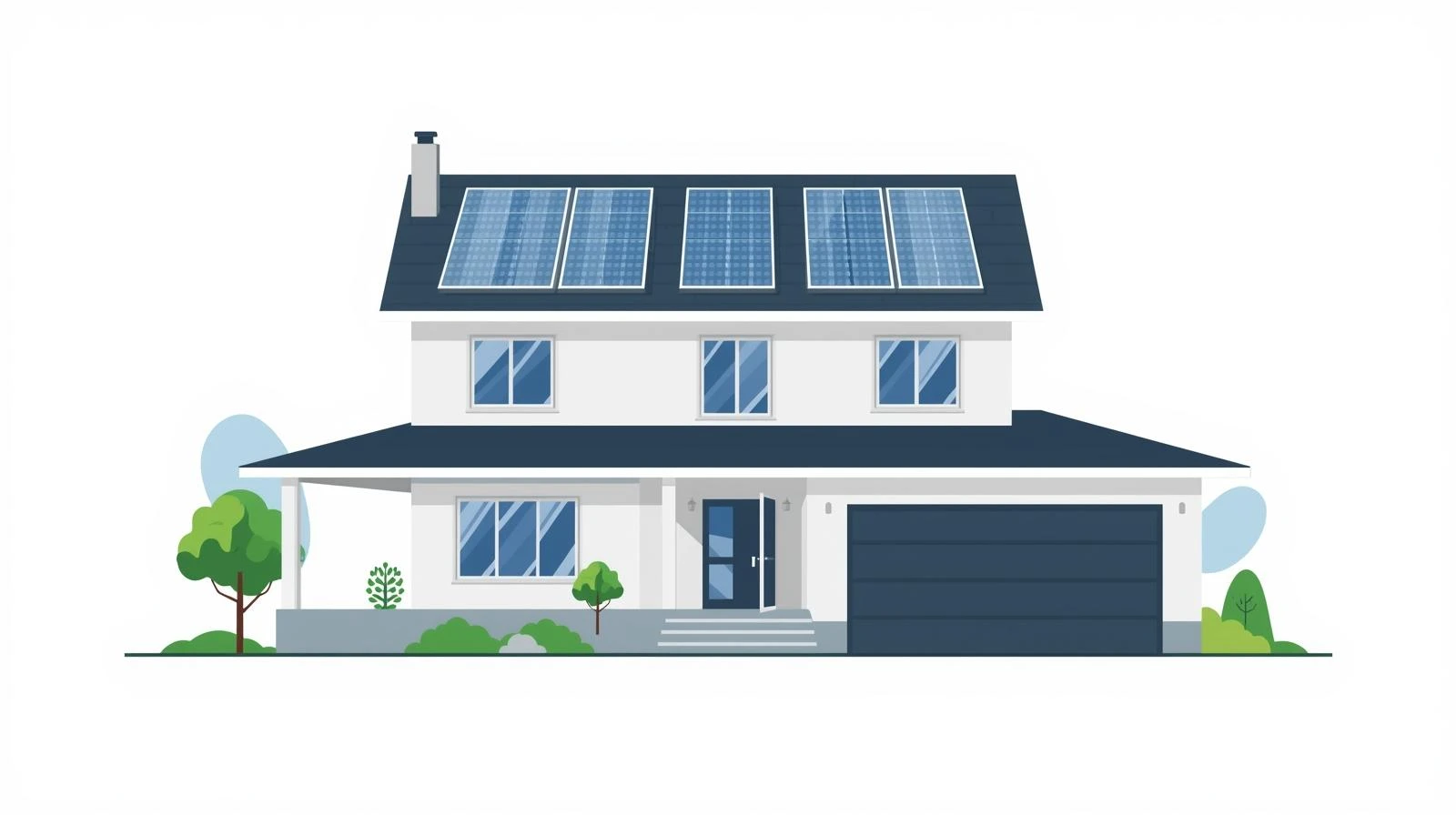
Home energy systems control heating, cooling, and electricity usage throughout a house. Major systems such as HVAC equipment and solar panels play an important role in comfort, efficiency, and long-term energy costs.
This guide explains the typical costs associated with major home energy systems and helps homeowners understand when upgrades or replacements may be worth the investment.
Home Energy System Cost Overview
Energy systems are among the most important mechanical components in a home. Heating, cooling, and electricity generation affect both monthly utility costs and overall home comfort.
Common home energy upgrades include:
- HVAC system replacement
- Solar panel installation
- Insulation improvements
- Energy efficient windows
- Water heater replacement
Understanding typical installation costs and potential energy savings can help homeowners make informed decisions when upgrading home energy systems.
HVAC Replacement Cost Guide
Heating and cooling systems are responsible for maintaining indoor comfort throughout the year. Over time HVAC equipment becomes less efficient and may require replacement.
The cost of replacing an HVAC system typically ranges between $5,000 and $15,000 depending on system size, equipment efficiency, and installation complexity.
Read the HVAC Replacement Cost Guide →
Solar Energy Cost & ROI Guide
Solar panel systems generate electricity from sunlight and can reduce reliance on traditional utility power. Many homeowners install solar panels to lower long-term energy costs and increase energy independence.
Residential solar systems generally cost between $15,000 and $30,000 before incentives depending on system size and installation conditions.
Read the Solar Cost & ROI Guide →
Improving Home Energy Efficiency
In addition to major system replacements, several smaller improvements can help reduce energy consumption and lower monthly utility bills.
Common energy efficiency upgrades include:
- Improved home insulation
- Energy efficient windows
- Smart thermostats
- High-efficiency water heaters
- Sealing air leaks around doors and windows
Many homeowners combine multiple upgrades to improve efficiency and reduce long-term heating and cooling costs.
Planning Energy System Upgrades
Before replacing major energy systems, homeowners should evaluate the condition of existing equipment and estimate potential long-term savings.
Factors to consider include:
- Age and efficiency of existing HVAC equipment
- Local energy prices
- Available tax credits or incentives
- Home insulation quality
- Roof orientation for solar installation
Upgrading energy systems can reduce utility bills, improve home comfort, and increase long-term property value.