
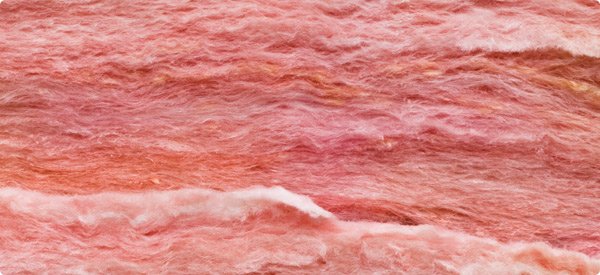
Fiberglass insulation is one of the most common and affordable ways to insulate homes. Most homeowners pay between $0.40 and $1.50 per square foot for materials, or about $1,500 to $4,500 to insulate a typical home depending on insulation type and labor costs. While fiberglass insulation is widely used because it is inexpensive and effective, homeowners should also understand potential risks such as skin irritation, airborne fibers during installation, and reduced performance if the material becomes wet or compressed.
Table of Contents
- Quick Summary
- Cost Breakdown
- Fiberglass vs Other Insulation Types
- When Fiberglass Insulation Makes Sense
- Common Mistakes
- Frequently Asked Questions
Quick Summary
- Fiberglass insulation typically costs $0.40–$1.50 per square foot for materials.
- Total installation for a home often ranges from $1,500 to $4,500.
- The material is widely used in walls, attics, and floors.
- Fiberglass insulation can cause skin irritation and airborne fibers during installation.
- Performance can decrease if the insulation becomes wet, compressed, or poorly installed.
- Alternative insulation types include cellulose, spray foam, and mineral wool.
Cost Breakdown
Fiberglass insulation costs vary depending on the insulation format, installation method, and location within the home. The two most common types are fiberglass batts and blown-in fiberglass.
Fiberglass Batt Insulation Costs
Fiberglass batt insulation is the most common type used in residential construction. It comes in pre-cut panels designed to fit between wall studs or ceiling joists.
- Material cost: $0.40–$1.00 per square foot
- Professional installation: $1.00–$2.50 per square foot
Batt insulation is commonly installed in unfinished walls, ceilings, basements, and crawl spaces.
Blown-In Fiberglass Insulation Costs
Blown-in fiberglass insulation is typically used in attics or enclosed wall cavities where batts cannot easily be installed.
- Material cost: $0.50–$1.20 per square foot
- Installed cost: $1.50–$3.50 per square foot
Blown insulation is often used to increase attic insulation levels in older homes.
Typical Insulation Costs by Area
- Attic insulation: $1,500–$3,500
- Wall insulation: $1,000–$4,000
- Crawl space insulation: $500–$2,000
- Garage insulation: $400–$1,200
Costs vary depending on the size of the space, accessibility, and the insulation thickness required to meet energy efficiency standards.
Factors That Influence Fiberglass Insulation Cost
- Home size – Larger homes require more insulation material.
- Insulation thickness (R-value) – Higher R-values require thicker insulation layers.
- Installation location – Attics and crawl spaces may require more labor.
- Labor costs – Installation rates vary by region.
- Preparation work – Removing old insulation or repairing air leaks may increase costs.
Energy efficiency programs or rebates may also reduce installation costs in some areas.
Fiberglass vs Other Insulation Types
Fiberglass insulation is one of several materials used for residential insulation. Each type has advantages and limitations.
Fiberglass Insulation
- Low material cost
- Widely available
- Easy to install in standard wall cavities
- Moderate thermal performance
Cellulose Insulation
- Made from recycled paper products
- Good coverage in irregular spaces
- Slightly higher cost than fiberglass
- Can settle over time if not installed properly
Spray Foam Insulation
- Excellent air sealing and insulation
- Higher installation cost
- Commonly used for energy-efficient homes
Mineral Wool Insulation
- Higher fire resistance
- Better soundproofing
- More expensive than fiberglass
The best insulation type often depends on the home’s design, climate, and budget.
When Fiberglass Insulation Makes Sense
Fiberglass insulation is widely used because it provides a practical balance between cost and performance.
Common Situations Where Fiberglass Works Well
- Insulating new home construction
- Adding insulation to unfinished walls
- Improving attic insulation levels
- Reducing heating and cooling costs
- Completing energy-efficiency upgrades
Fiberglass insulation is particularly useful in homes where standard framing allows batt insulation to fit easily between studs and joists.
When Other Insulation May Be Better
- Homes with significant air leaks
- Areas requiring moisture resistance
- High-performance energy-efficient homes
- Irregular or difficult-to-access spaces
In these situations, spray foam or other insulation materials may provide better air sealing or moisture control.
Common Mistakes
Improper installation is one of the main reasons insulation fails to perform effectively. Homeowners and installers sometimes make several common mistakes when working with fiberglass insulation.
Compressing the Insulation
Fiberglass insulation works by trapping air between fibers. Compressing the material reduces its effectiveness and lowers its R-value.
Leaving Gaps Around Studs or Wiring
Gaps around framing, outlets, or wiring allow air to move through walls, reducing insulation performance.
Installing Insulation Without Air Sealing
Air leaks around windows, doors, and attic openings can reduce the effectiveness of insulation.
Ignoring Moisture Issues
Fiberglass insulation can lose effectiveness if it becomes wet due to leaks or condensation.
Handling Fiberglass Without Protective Gear
Fiberglass fibers can irritate the skin, eyes, and lungs. Protective clothing, gloves, and masks are recommended during installation.
Frequently Asked Questions
Is fiberglass insulation safe?
Fiberglass insulation is considered safe for residential use when installed properly. However, the fibers can cause temporary skin irritation or respiratory discomfort if handled without protective equipment.
How long does fiberglass insulation last?
Fiberglass insulation can last 20 to 50 years if it remains dry and undisturbed.
Does fiberglass insulation lose effectiveness over time?
Fiberglass insulation may lose performance if it becomes compressed, damaged, or exposed to moisture.
Can homeowners install fiberglass insulation themselves?
Many homeowners install batt insulation themselves in unfinished spaces. However, blown-in insulation often requires specialized equipment.
What R-value should insulation have?
Recommended R-values depend on climate and location within the home. Attics typically require higher R-values than walls or floors.