
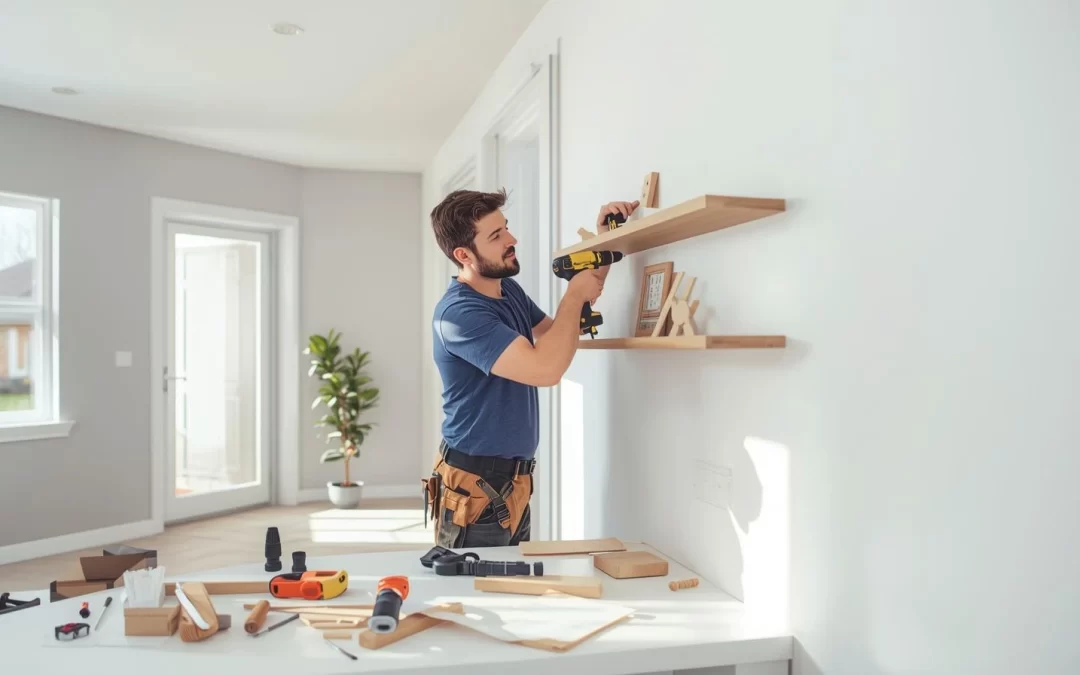
Hiring a handyman typically costs between $50 and $100 per hour in most parts of the United States, although rates can reach $120 per hour in higher-cost regions. Many small jobs fall between $100 and $600 total, depending on the task, materials, and how long the repair takes. Handyman services are commonly used for small home repairs, installations, and maintenance tasks that do not require a specialized contractor.
Table of Contents
- Quick Summary
- Cost Breakdown
- Handyman vs DIY vs Contractors
- When Hiring a Handyman Makes Sense
- Common Mistakes
- Frequently Asked Questions
Quick Summary
- Most handymen charge $50–$100 per hour depending on location and experience.
- Typical small repair jobs cost between $100 and $600.
- Handyman services are best for minor repairs, installations, and home maintenance tasks.
- Large projects, structural work, or major plumbing and electrical work usually require licensed contractors.
- Bundling several small tasks into one visit can reduce the overall cost.
Cost Breakdown
Handyman pricing usually follows one of two structures: hourly billing or a fixed project price. The final cost depends on the type of repair, time required, materials used, and local labor rates.
Typical Hourly Rates
- Entry-level handyman: $50–$65 per hour
- Experienced handyman: $65–$90 per hour
- Specialized handyman services: $90–$120 per hour
Many handymen charge a minimum service fee, often equivalent to one hour of labor. This covers travel time and basic setup.
Typical Project Costs
Below are common handyman jobs and their typical price ranges.
- Fixing drywall holes: $100–$300
- Installing ceiling fans: $150–$350
- Mounting televisions: $100–$250
- Replacing faucets: $150–$350
- Installing shelves or cabinets: $150–$400
- Door repairs or installation: $100–$350
- Light fixture replacement: $100–$250
- Minor plumbing repairs: $150–$400
These ranges vary depending on the number of tasks performed during the visit and whether materials are included.
Common Handyman Jobs
Handymen often perform a wide variety of small repair and installation tasks around the home.
- Drywall patching and repair
- Door adjustments and repairs
- Cabinet hardware installation
- TV mounting
- Furniture assembly
- Light fixture replacement
- Minor plumbing repairs
- Fence repairs
- Deck maintenance
- Basic carpentry work
These projects generally take between one and four hours depending on complexity.
Factors That Influence Handyman Costs
Several factors can affect the final price homeowners pay for handyman services.
- Location – Labor rates are higher in large cities and high-cost regions.
- Experience level – More experienced professionals typically charge higher hourly rates.
- Project complexity – Simple repairs cost less than tasks requiring specialized tools.
- Materials – Fixtures, hardware, and supplies increase the total cost.
- Travel time – Some handymen include a service call fee.
- Urgent repairs – Emergency services may include additional charges.
Before scheduling work, homeowners should ask whether materials, travel, and disposal fees are included in the estimate.
Handyman vs DIY vs Contractors
Many homeowners debate whether to complete repairs themselves, hire a handyman, or hire a licensed contractor. Each option has advantages depending on the scope of the work.
Hiring a Handyman
- Best for small repairs and installations
- Lower hourly rate than contractors
- Convenient for completing multiple tasks
- Typically faster scheduling for small jobs
Hiring a Licensed Contractor
- Required for major renovations
- Necessary for structural changes
- Often required for electrical or plumbing systems
- Typically higher cost due to licensing and specialization
Doing Repairs Yourself
- Lowest upfront cost
- Requires time and proper tools
- Some repairs are easy for beginners
- Mistakes can lead to higher repair costs later
For many homeowners, hiring a handyman offers a balance between affordability and professional results.
When Hiring a Handyman Makes Sense
Hiring a handyman is usually the most practical choice when a homeowner has several minor repairs or installation tasks that do not require specialized licensing.
Common Situations Where Handyman Services Are Useful
- Repairing drywall or small wall damage
- Installing shelves or storage systems
- Mounting televisions or artwork
- Repairing doors or cabinets
- Replacing fixtures such as faucets or lights
- Performing seasonal maintenance tasks
Many homeowners create a list of small repairs and schedule a handyman visit once or twice per year to address them all at once.
Situations That Usually Require a Contractor
- Major plumbing installations
- Electrical panel upgrades
- Roof replacement
- Structural repairs
- Major remodeling projects
In many regions, building codes require licensed professionals for certain types of work, particularly electrical and plumbing installations.
Common Mistakes
Homeowners sometimes make avoidable mistakes when hiring a handyman. These mistakes can lead to higher costs or unsatisfactory results.
Not Verifying Experience
Handymen often perform many types of work, but their expertise may vary. Asking about previous projects can help confirm whether they have experience with the repair needed.
Hiring for Work That Requires Licensing
Some projects legally require licensed professionals. Hiring a handyman for these tasks may violate local regulations or create safety risks.
Not Requesting a Written Estimate
Even for small repairs, a written estimate helps clarify labor costs, materials, and expected completion time.
Scheduling Only One Small Task
Because most handymen charge a minimum service fee, scheduling only one small repair can be less cost-effective than completing several tasks in one visit.
Not Preparing the Work Area
Clearing the work area ahead of time allows the handyman to start immediately and reduces billable hours.
Frequently Asked Questions
How much does a handyman cost per hour?
Most handymen charge between $50 and $100 per hour, although rates may reach $120 per hour in higher-cost areas or for specialized tasks.
What jobs can a handyman usually do?
Handymen commonly perform minor repairs, installations, drywall work, small plumbing fixes, fixture replacements, and general home maintenance tasks.
Is it cheaper to hire a handyman or a contractor?
For small repairs, hiring a handyman is usually cheaper because contractors typically focus on larger projects and charge higher hourly rates.
Should homeowners provide materials?
Some homeowners purchase materials themselves to reduce costs. Others prefer the handyman to supply materials to ensure compatibility and correct sizing.
How long do handyman jobs usually take?
Most common handyman tasks take between 1 and 4 hours, although larger projects may require a full day depending on the number of repairs being completed.