
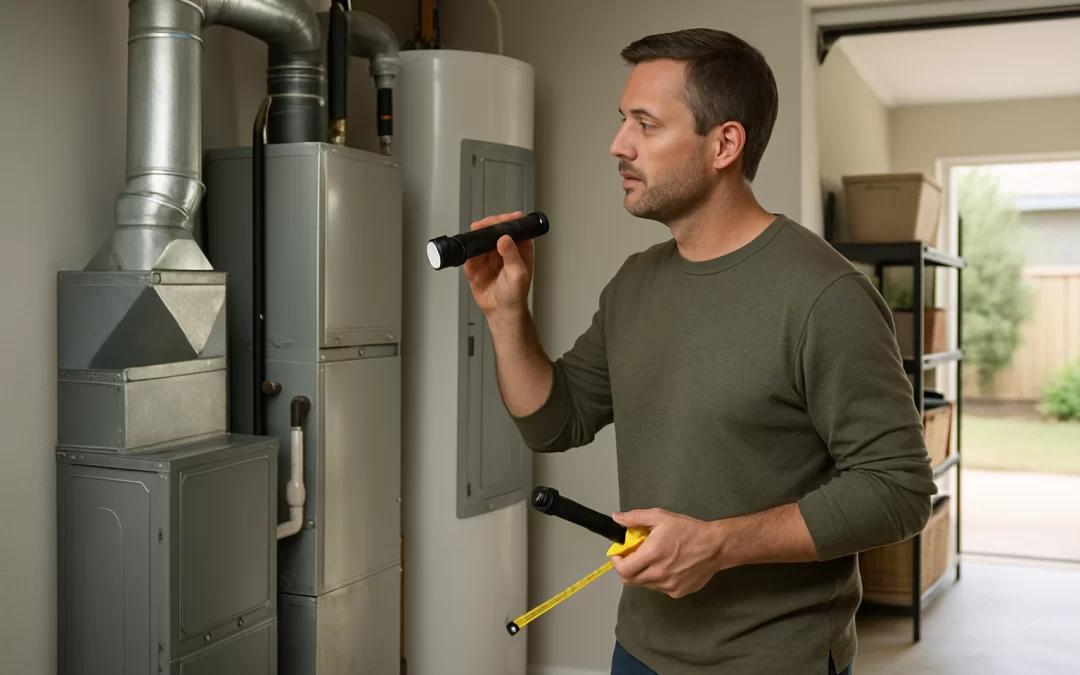
Staying on top of a simple home maintenance checklist can prevent surprise repairs, lower your utility bills, and easily save $50–$200 per month in avoided energy waste and emergency fixes. By breaking tasks into monthly, seasonal, and annual checklists, you spread out the work and the cost. The tradeoff is that you’ll spend a bit of time and some small amounts of money upfront, but you greatly reduce the risk of big, expensive problems later.
This guide is for homeowners and long-term renters who want to protect their home, avoid costly breakdowns, and keep monthly bills under control. Ignoring maintenance often leads to higher heating and cooling costs, water damage, and early replacement of major systems. With a clear plan, you can focus on the highest-value tasks first and make smarter decisions about when to DIY and when to hire help.
Table of Contents
- Why Home Costs Creep Up Over Time
- Common Overspending Habits to Avoid
- What to Check First in Your Home
- Monthly Home Maintenance Checklist
- Seasonal Home Maintenance Checklist
- Annual Home Maintenance Checklist
- Immediate Savings: Fast Tasks With Quick Payback
- Long-Term Savings and Smart Upgrades
- When Spending Money Actually Saves More
- Common Costly Maintenance Mistakes
- When to Hire a Professional vs DIY
- Costs, Savings, and Payback Periods
- How to Decide: Now vs Later, DIY vs Pro
- Frequently Asked Questions
- Summary and Next Steps
Why Home Costs Creep Up Over Time
Home costs usually rise slowly, not all at once. Small issues—like a tiny leak, a dirty air filter, or a loose weatherstrip—quietly waste energy or damage materials until they turn into big, expensive repairs.
Common reasons costs rise include:
- Wear and tear: HVAC systems, roofs, and plumbing naturally degrade and work harder over time.
- Neglected maintenance: Skipping simple tasks (like cleaning gutters) can lead to water damage or foundation issues.
- Energy inefficiency: Air leaks, poor insulation, and old appliances increase utility bills month after month.
- Hidden moisture: Slow leaks or poor ventilation cause mold, rot, and structural damage that are costly to fix.
A structured maintenance checklist helps you catch these issues early, when they’re cheap and easy to fix.
Common Overspending Habits to Avoid
Many homeowners overspend not because they buy too much, but because they delay the right maintenance or buy the wrong solutions. Avoid these common money-wasters:
- Waiting for things to break: Emergency repairs (like a failed water heater) often cost 30–100% more than planned replacements.
- Ignoring small leaks or drips: A dripping faucet can waste hundreds of gallons of water per month and raise your water bill.
- Overheating or overcooling: Running your HVAC too hard because of poor insulation or air leaks drives up energy costs.
- Using the wrong contractor: Hiring the cheapest option without checking reviews or licenses can lead to poor work and repeat repairs.
- Replacing instead of maintaining: Many systems (HVAC, roofs, appliances) last years longer with low-cost maintenance.
Shifting from “fix when broken” to “maintain on schedule” is one of the biggest ways to control long-term housing costs.
What to Check First in Your Home
If you’re just getting started, focus on areas that can cause the most damage or waste the most money if ignored.
High-Priority Systems
- Water and moisture: Check under sinks, around toilets, near the water heater, and in the basement for damp spots, stains, or musty smells.
- Roof and gutters: Look for missing shingles, sagging gutters, and signs of water stains on ceilings.
- Heating and cooling: Inspect air filters, vents, and listen for unusual noises from your furnace or AC.
- Electrical safety: Test GFCI outlets (the ones with “test/reset” buttons) and look for warm outlets or flickering lights.
Quick Visual Checks
- Walk around the exterior: look for cracks in the foundation, peeling caulk around windows, or gaps around doors.
- Check attic or crawlspace (if safe): look for wet insulation, visible mold, or daylight shining through the roof.
- Review your utility bills: sudden increases often signal leaks, failing equipment, or air loss.
Monthly Home Maintenance Checklist
These tasks are quick, low-cost, and help you catch problems early. Most households can complete this list in 30–60 minutes per month.
Monthly Tasks
- Check and clean HVAC filters: Replace or clean filters every 1–3 months. A clean filter can reduce energy use by 5–15%.
- Inspect sinks and toilets for leaks: Look for drips, moisture, or soft spots in cabinets and around bases.
- Test smoke and carbon monoxide detectors: Press the test button; replace batteries at least once a year.
- Walk-through inspection: Look for new cracks, peeling paint, water stains, or musty odors.
- Clean kitchen range hood filter: Grease buildup is a fire risk and reduces ventilation efficiency.
- Check dryer lint trap and area: Clean the lint screen every load and wipe around the dryer to reduce fire risk and improve efficiency.
Typical monthly savings: $10–$40 on energy and water bills, plus reduced risk of large repairs.
Seasonal Home Maintenance Checklist
Seasonal tasks prepare your home for changing weather and can significantly reduce heating, cooling, and water damage costs.
Spring Checklist
- Inspect roof and gutters: Clear leaves and debris; check for loose or missing shingles.
- Check grading around the house: Soil should slope away from the foundation to prevent water pooling.
- Service air conditioner: Clean outdoor unit, remove debris, and consider a professional tune-up.
- Inspect exterior caulking and paint: Seal gaps around windows and doors to reduce drafts and water entry.
- Test outdoor faucets and irrigation: Look for leaks that can waste water and damage foundations.
Summer Checklist
- Check attic ventilation: Ensure vents are clear; poor ventilation overheats the home and shortens roof life.
- Inspect and clean ceiling fans: Set fans to rotate counterclockwise to improve cooling efficiency.
- Look for pest entry points: Seal gaps where insects and rodents can enter and cause damage.
- Check caulk and weatherstripping: Hot air leaks in through gaps, making your AC work harder.
Fall Checklist
- Service furnace or heating system: Clean and tune for efficiency and safety.
- Clean gutters and downspouts: Prevent ice dams and water backup that can damage roofs and walls.
- Shut off and drain outdoor faucets (in cold climates): Prevent frozen pipes and burst lines.
- Check weatherstripping on doors and windows: Replace worn strips to reduce drafts and heating costs.
- Inspect chimney and fireplace: Clean and check for blockages before use.
Winter Checklist
- Monitor ice dams and icicles: Excessive buildup can signal insulation or ventilation issues.
- Check for interior condensation: Moisture on windows or walls can indicate poor ventilation.
- Inspect for cold drafts: Use your hand or a candle (carefully) to find air leaks around windows and doors.
- Clear snow away from foundation and vents: Keep vents open and reduce moisture against the house.
Annual Home Maintenance Checklist
Annual tasks are deeper checks that protect major systems and the structure of your home. Many can be scheduled at the same time each year.
Annual Tasks
- Full roof inspection: Look for damaged shingles, flashing issues, and signs of leaks in the attic.
- Professional HVAC service: Have a technician inspect, clean, and tune your system for efficiency and safety.
- Water heater inspection: Check for rust, leaks, and consider flushing sediment to extend its life.
- Plumbing check: Inspect visible pipes for corrosion, leaks, or signs of past water damage.
- Electrical panel and outlets: Have an electrician inspect if you notice frequent breaker trips or warm outlets.
- Foundation and exterior walls: Look for new cracks, bulges, or areas where water pools.
- Appliance maintenance: Clean refrigerator coils, check seals, and inspect hoses on washing machines and dishwashers.
Scheduling these checks annually can add years to the life of your roof, HVAC, and appliances, saving thousands over time.
Immediate Savings: Fast Tasks With Quick Payback
Some maintenance tasks start saving you money almost right away, often within the first month or two.
High-Impact Quick Wins
- Replace HVAC filters: Cost: $5–$20 per filter. Potential savings: $5–$15 per month in energy and reduced wear.
- Seal obvious air leaks: Cost: $10–$50 for caulk and weatherstripping. Savings: $10–$30 per month on heating/cooling.
- Fix running toilets and dripping faucets: Cost: $5–$30 in parts. Savings: $5–$25 per month on water bills.
- Adjust water heater temperature: Set to around 120°F. Savings: $3–$10 per month on energy.
- Clean refrigerator coils: Cost: free (just your time). Savings: $2–$10 per month in electricity.
These tasks usually pay for themselves in 1–3 months and reduce the risk of bigger issues later.
Long-Term Savings and Smart Upgrades
Some improvements require more money upfront but can significantly reduce your monthly costs and protect your home’s value.
Energy Efficiency Upgrades
- Attic insulation: Upfront cost: $800–$2,500 depending on size and region. Savings: $20–$80 per month on heating and cooling. Payback: 3–7 years.
- High-efficiency HVAC system: Upfront cost: $5,000–$12,000. Savings: $30–$100+ per month vs. an old, inefficient system. Payback: 5–10 years, often faster with rebates.
- Programmable or smart thermostat: Upfront cost: $50–$250. Savings: $10–$30 per month. Payback: 3–18 months.
- LED lighting: Upfront cost: $2–$8 per bulb. Savings: $1–$5 per bulb per month depending on use. Payback: a few months to a year.
Durability and Protection Upgrades
- Gutter guards: Upfront cost: $200–$1,500. Savings: Reduced gutter cleaning costs and lower risk of water damage.
- Sump pump with battery backup (in wet areas): Upfront cost: $500–$2,000 installed. Savings: Avoided flood damage that can cost $5,000–$20,000+.
- Water leak detectors and automatic shutoff valves: Upfront cost: $50–$800. Savings: Early leak detection can prevent major water damage and insurance claims.
These upgrades are most worthwhile if you plan to stay in your home for several years or if your current systems are old and inefficient.
When Spending Money Actually Saves More
Some maintenance and upgrades feel expensive, but they prevent even higher costs later. The key is knowing when spending is truly an investment.
- Regular HVAC service: Paying $100–$250 annually can extend system life by several years and prevent $300–$1,000 emergency repairs.
- Roof repairs now vs. replacement later: Fixing a few shingles for a few hundred dollars can delay a $8,000–$20,000 roof replacement and prevent interior water damage.
- Addressing small foundation cracks: Sealing early might cost $300–$1,000; waiting until there’s structural movement can cost $10,000+.
- Upgrading very old appliances: Replacing a 20-year-old refrigerator or water heater with an efficient model can cut operating costs by 30–50%.
Spending is usually justified when it clearly reduces risk of major damage, cuts ongoing bills, or extends the life of expensive systems.
Common Costly Maintenance Mistakes
A few frequent mistakes can undo the benefits of a good checklist and lead to unnecessary expenses.
- Skipping inspections because “everything seems fine”: Many issues (like slow leaks or wiring problems) are invisible until damage is severe.
- Using the wrong materials: Cheap caulk, incorrect filters, or mismatched parts can fail quickly and cause more damage.
- DIY beyond your skill level: Incorrect electrical, gas, or structural work can be dangerous and expensive to fix.
- Ignoring manufacturer maintenance schedules: Appliances and systems often require specific maintenance to keep warranties valid.
- Not documenting maintenance: Lack of records can hurt resale value and make it harder to claim warranties or insurance.
A simple log or spreadsheet of what you did and when can help you avoid repeating mistakes and prove you’ve cared for the home.
When to Hire a Professional vs DIY
DIY can save money, but some tasks are safer and cheaper in the long run when handled by a pro.
Good DIY Candidates
- Replacing air filters, weatherstripping, and basic caulking.
- Cleaning gutters (if you can safely use a ladder).
- Fixing simple toilet flappers or faucet aerators.
- Painting, minor drywall patching, and basic landscaping.
Hire a Professional For
- Electrical work: New circuits, panel upgrades, or any work inside the panel.
- Gas lines and major plumbing: Water heaters, gas appliances, and main line issues.
- Roof repairs and replacements: Especially on steep or high roofs.
- Structural changes: Removing walls, foundation repairs, or major framing.
- HVAC installation and major repairs: To ensure safety, efficiency, and warranty coverage.
When in doubt, get at least two quotes and ask for references. A good pro can prevent costly mistakes and improve long-term performance.
Costs, Savings, and Payback Periods
Understanding the financial side of maintenance helps you prioritize what to do first.
Typical Monthly Savings Ranges
- Basic maintenance only (filters, leaks, caulk): $20–$60 per month.
- Plus minor upgrades (LEDs, smart thermostat): Additional $15–$40 per month.
- Major efficiency upgrades (insulation, HVAC): Additional $30–$100+ per month.
Upfront Costs and Payback Examples
- Weatherstripping and caulk: $20–$100. Payback: 1–6 months.
- Smart thermostat: $100–$250. Payback: 6–18 months.
- Attic insulation: $800–$2,500. Payback: 3–7 years.
- High-efficiency HVAC: $5,000–$12,000. Payback: 5–10 years.
When Savings Are Small vs Significant
- Small but worthwhile: LED bulbs, cleaning coils, adjusting water heater temperature. These are cheap and add up over time.
- Significant: Insulation, sealing major air leaks, replacing very old systems. These can noticeably lower your monthly bills.
- Not worth it (in some cases): High-end finishes or luxury upgrades that don’t improve efficiency or durability, especially if you may move soon.
Focus first on low-cost tasks with fast payback, then plan for larger upgrades based on your budget and how long you’ll stay in the home.
How to Decide: Now vs Later, DIY vs Pro
Use this simple framework to decide what to tackle and how.
Do Now vs Later
- Do now: Anything involving active leaks, electrical safety, strong odors (gas, burning), or rapidly rising utility bills.
- Do soon (within 3–6 months): Insulation, sealing drafts, replacing very old appliances that are still working but inefficient.
- Do later (plan and budget): Major remodels, roof replacement if still sound, non-urgent cosmetic upgrades.
Quick Fix vs Investment
- Quick fix: Patching small leaks, temporary weatherstripping, minor repairs to buy time.
- Investment: Full insulation upgrades, new HVAC, high-quality windows in very drafty homes.
If a system is near the end of its life and repair costs are high, it’s often smarter to invest in replacement rather than repeatedly paying for short-term fixes.
DIY vs Professional
- Choose DIY when the task is simple, low-risk, and you can follow clear instructions (e.g., replacing filters, basic caulking).
- Choose a professional when safety, codes, or warranties are involved (e.g., electrical, gas, structural work).
For more ideas on saving money around the home, you can explore practical guides on BestHomeSavings.com that focus on cutting monthly costs without sacrificing comfort.
Frequently Asked Questions
How much should I budget for home maintenance each year?
A common rule of thumb is 1–3% of your home’s value per year, depending on age and condition. For a $300,000 home, that’s $3,000–$9,000 annually, but doing regular maintenance can keep you closer to the lower end by avoiding big surprises.
What monthly maintenance task saves the most money?
Regularly changing HVAC filters and sealing obvious air leaks usually provide the biggest monthly savings for the least effort. Together, they can easily save $15–$40 per month on heating and cooling costs.
Is it worth paying for an annual HVAC service plan?
For most homes, yes—especially if your system is older or heavily used. An annual tune-up can improve efficiency, reduce breakdowns, and extend equipment life, often saving more than the cost of the visit over time.
How do I know if I should repair or replace an old appliance?
Consider age, repair cost, and energy use. If the repair is more than 50% of the cost of a new, efficient model and the appliance is near or past its typical lifespan, replacement usually makes better financial sense.
What’s the most important seasonal task I shouldn’t skip?
Cleaning gutters and checking for roof issues in the fall is critical in most climates. It helps prevent water damage, ice dams, and leaks that can lead to thousands of dollars in repairs.
Do renters need to worry about home maintenance checklists?
Yes, but on a smaller scale. Renters should still report leaks, test smoke detectors, clean filters (if allowed), and keep an eye on moisture and ventilation to protect their belongings and avoid disputes with landlords.
Summary and Next Steps
A simple home maintenance checklist—broken into monthly, seasonal, and annual tasks—can save you $50–$200 per month in avoided energy waste and emergency repairs. The key is focusing first on water, roof, and HVAC issues, then tackling low-cost efficiency upgrades with fast payback.
Next steps:
- Create a basic checklist from the tasks above and add reminders to your calendar.
- Start with the quick wins: filters, leaks, caulking, and thermostat settings.
- Plan and budget for one or two larger upgrades (like insulation or a smart thermostat) over the next year.
- Decide which tasks you’re comfortable doing yourself and which you’ll schedule with a professional.
By treating maintenance as a regular, manageable habit instead of a reaction to emergencies, you protect your home, lower your monthly bills, and avoid the stress of surprise repairs.