
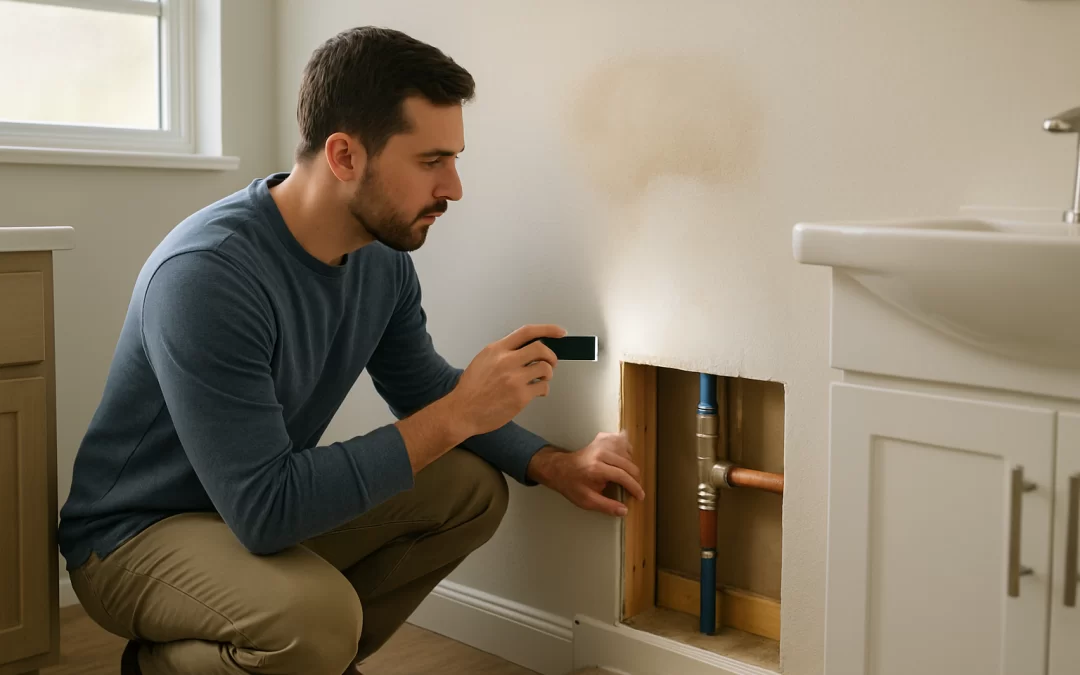
Hidden water leaks can quietly add $20 to $200+ to your monthly water bill, depending on the leak’s size and location. Most leaks come from worn toilet flappers, dripping faucets, or slow pipe leaks behind walls and under sinks. Fixing them typically costs $0 to $300 in materials and often pays for itself within one to three months. The tradeoff: some leaks are hidden inside walls, slabs, or underground pipes, and finding those may require a professional leak detection service before any fix is possible.
This guide is for homeowners and renters who notice a water bill that seems too high but can’t find an obvious cause. Even a small, unnoticed leak can waste thousands of gallons a year and quietly drain your budget every single month.
Below, you’ll learn where leaks typically hide, what to check first, how to fix common problems yourself, and when it’s smarter to call a professional instead of guessing.
Table of Contents
- Causes of High Water Costs
- Common Overspending Behaviors
- What to Check First
- Immediate Savings You Can Get Today
- Long-Term Savings and Upgrades
- When Spending More Actually Saves More
- Common Costly Mistakes
- When to Hire a Professional
- Cost & Savings Breakdown
- Decision Guide: What Should You Do?
- Frequently Asked Questions
Causes of High Water Costs
Most inflated water bills trace back to a handful of common culprits. Understanding these helps you know where to look first.
- Running toilets: A worn flapper valve can waste 200+ gallons a day without any visible sign.
- Dripping faucets: A single drip per second adds up to roughly 3,000 gallons per year.
- Pipe leaks behind walls or under slabs: These are invisible but can waste large amounts of water silently.
- Outdoor irrigation or hose leaks: Easy to overlook since they don’t affect indoor water pressure.
- Water heater tank leaks: Small leaks at fittings or the tank base often go unnoticed for months.
Common Overspending Behaviors
Beyond actual leaks, certain habits make water bills higher than they need to be.
- Ignoring a slightly running toilet because it “seems minor.”
- Not checking the water meter regularly to catch unusual usage spikes.
- Assuming a high bill is a billing error instead of investigating the plumbing.
- Delaying small faucet or fixture repairs for months or years.
What to Check First
Before spending any money, do a simple leak check using your water meter.
The Meter Test
- Turn off all water-using appliances and fixtures.
- Locate your water meter and note the reading.
- Wait 1–2 hours without using any water.
- Check the meter again — any movement suggests a leak somewhere in the system.
Quick Visual Checks
- Look under sinks for damp cabinets or water stains.
- Check toilet tanks for slow, silent refills.
- Inspect exposed pipes in basements, crawl spaces, or garages.
- Look for unusually green or soggy patches in the yard, which can indicate an underground leak.
Immediate Savings You Can Get Today
Several fixes cost very little and can be done the same day you notice a problem.
- Replace a toilet flapper: Costs $5–$15 and can stop 200+ gallons of daily waste.
- Tighten or replace a faucet washer: Costs under $10 and stops most drips.
- Add food coloring to the toilet tank: A free way to confirm a silent leak — if color appears in the bowl without flushing, you have a leak.
- Shut off unused outdoor spigots: Prevents slow drips from irrigation lines.
Long-Term Savings and Upgrades
Some upgrades reduce water waste permanently and lower monthly costs for years.
- Smart water leak detectors: $30–$100 per unit; alert you the moment a leak starts, often before major damage occurs.
- Low-flow fixtures: Reduce daily water use without sacrificing performance.
- Water shut-off valves with sensors: Automatically stop water flow if a major leak is detected, preventing costly damage.
- Whole-home water monitoring systems: Track usage patterns and flag abnormal spikes early.
These upgrades pair well with other efficiency improvements. For related savings, see how small kitchen upgrades can save you money over time through energy, water, and maintenance improvements.
When Spending More Actually Saves More
Spending upfront makes sense when the leak — or the risk of one — is large enough to cause ongoing or structural damage.
- Replacing an aging water heater before it leaks extensively is cheaper than repairing water damage later.
- Installing a leak detection system is worth it in homes with finished basements, since water damage there is expensive to repair.
- Repiping old, corroded pipes prevents recurring leaks that cost more in repairs over time than the repiping itself.
Common Costly Mistakes
- Ignoring small leaks: A “minor” drip today can become a major pipe failure later.
- Not checking the water bill monthly: Spikes often go unnoticed for months.
- Assuming all leaks are visible: Many leaks happen behind walls or underground.
- DIY repairs on main water lines: Incorrect fixes can worsen leaks or cause water damage.
- Delaying repairs due to cost: Waiting almost always increases total repair costs.
When to Hire a Professional
Some situations are too risky or complex for a DIY approach.
- Water pressure suddenly drops throughout the home.
- You hear water running when nothing is turned on.
- The meter test shows movement but no visible leak is found.
- You notice mold, warped flooring, or ceiling stains — signs of a leak inside walls or slabs.
- The leak involves the main water line or requires slab penetration.
A licensed plumber typically charges $150–$500 for leak detection and repair, depending on the leak’s location and complexity.
Cost & Savings Breakdown
| Fix/Upgrade | Upfront Cost | Monthly Savings | Payback Period |
|---|---|---|---|
| Toilet flapper replacement | $5–$15 | $10–$50 | Under 1 month |
| Faucet washer/repair | $5–$20 | $5–$20 | 1–2 months |
| Smart leak detector | $30–$100 each | Varies (prevents large losses) | 3–12 months |
| Professional leak detection | $150–$500 | Depends on leak size | 1–6 months |
| Repiping (partial) | $1,500–$4,000 | Prevents recurring leaks | 2–5 years |
When savings are small: Fixing a minor faucet drip saves a few dollars a month — worthwhile, but not urgent.
When savings are significant: A running toilet or hidden pipe leak can waste hundreds of dollars a month, making quick repair essential.
When it’s not worth the cost: Full repiping isn’t justified for a single isolated leak in an otherwise sound plumbing system.
Decision Guide: What Should You Do?
- Do now: Any leak you can see or hear — toilets, faucets, visible pipe drips.
- Do later: Preventive upgrades like leak detectors, once active leaks are resolved.
- Quick fix: Flapper or washer replacement — cheap, fast, and low-risk.
- Investment: Whole-home leak detection or repiping — worth it for older homes or frequent leaks.
- DIY: Toilet and faucet repairs, visual inspections, meter testing.
- Professional: Hidden leaks, main line issues, or leaks behind walls/slabs.
Frequently Asked Questions
How much money can a hidden leak actually cost me?
A running toilet alone can add $20–$150 per month to your water bill. Larger hidden pipe leaks can cost even more and may cause additional water damage repair costs.
How do I know if I have a leak without seeing water?
Use the water meter test: turn off all water use and check if the meter still moves. You can also add food coloring to your toilet tank to check for silent leaks into the bowl.
Is it worth buying a smart leak detector?
Yes, especially in basements, laundry rooms, or near water heaters. They cost $30–$100 but can prevent thousands of dollars in water damage by alerting you early.
Can I fix a leak myself, or do I need a plumber?
Simple fixes like flappers or faucet washers are easy DIY jobs. Leaks inside walls, under slabs, or in main water lines require a licensed plumber.
Will fixing a leak lower my water bill immediately?
Yes, most fixes show a noticeable reduction on your very next billing cycle. Savings are especially significant if the leak was continuous, like a running toilet.
How often should I check for leaks?
Check your water meter and visible plumbing every 1–2 months, and immediately if your bill increases unexpectedly. Regular checks catch problems before they become expensive.
Key Takeaways
- Hidden leaks can quietly cost $20–$200+ per month, often without any visible sign.
- Most common leaks — toilets and faucets — cost under $20 to fix and pay for themselves within weeks.
- Hidden or structural leaks require professional detection to avoid costly water damage.
- Regular meter checks and small upgrades like leak detectors prevent large future expenses.
Start by checking your water meter and inspecting toilets and faucets today. A 15-minute check now could save you hundreds of dollars over the next year.