
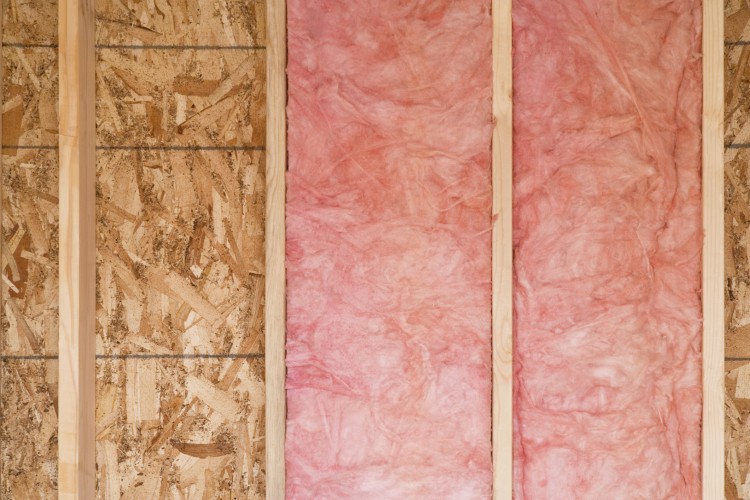
The typical home insulation cost ranges from $1,500 to $6,000 depending on the type of insulation, the area being insulated, and the size of the home. Smaller insulation projects such as attic insulation may cost around $1,200–$3,500, while whole-home insulation upgrades can exceed $8,000. Proper insulation can significantly reduce heating and cooling costs by improving energy efficiency and maintaining consistent indoor temperatures.
Table of Contents
- Quick Summary
- Insulation Cost Breakdown
- Insulation Types Comparison
- When Insulation Upgrades Make Sense
- Common Insulation Mistakes
- Frequently Asked Questions
Quick Summary
- Most home insulation projects cost between $1,500 and $6,000.
- Attic insulation typically costs $1,200–$3,500.
- Wall insulation installation often costs $2,000–$7,000.
- Spray foam insulation may cost more but provides higher efficiency.
- Insulation can reduce heating and cooling costs by 10–30% in many homes.
- Older homes often benefit the most from insulation upgrades.
- Energy efficiency improvements may qualify for rebates or tax incentives.
Insulation Cost Breakdown
Insulation costs depend on several factors including the type of insulation material, the size of the area being insulated, and labor requirements. Understanding these components helps homeowners estimate the total cost of an insulation upgrade.
Attic Insulation
Attic insulation is one of the most common energy efficiency improvements. Heat often escapes through poorly insulated attics.
| Attic Size | Typical Cost Range |
|---|---|
| Small attic | $1,200 – $2,500 |
| Medium attic | $2,000 – $3,500 |
| Large attic | $3,500 – $6,000+ |
Blown-in insulation and fiberglass batts are commonly used for attic spaces.
Wall Insulation
Wall insulation helps maintain indoor temperatures and reduce energy loss.
- Blown-in wall insulation: $2,000–$5,000
- Spray foam wall insulation: $3,000–$7,000+
Installing insulation in existing walls may require drilling small access holes, which are later sealed.
Crawl Space and Basement Insulation
Insulating crawl spaces or basement walls can help prevent cold floors and improve overall home comfort.
- Crawl space insulation: $1,500–$4,000
- Basement wall insulation: $2,000–$6,000+
Moisture control is often important in these areas to prevent mold and insulation damage.
Labor Costs
Professional insulation installation typically includes material costs, labor, and equipment.
- Fiberglass insulation installation: $0.50–$1.50 per sq ft
- Blown-in insulation: $1.00–$2.50 per sq ft
- Spray foam insulation: $2.00–$6.00 per sq ft
Spray foam insulation is more expensive but offers excellent air sealing and energy efficiency.
Insulation Types Comparison
Several insulation materials are commonly used in residential homes. Each type offers different levels of cost, performance, and installation complexity.
| Insulation Type | Typical Cost | Advantages | Considerations |
|---|---|---|---|
| Fiberglass Batts | $0.50 – $1.50 per sq ft | Affordable and widely available | Less effective for sealing air gaps |
| Blown-In Cellulose | $1.00 – $2.50 per sq ft | Good for attic insulation | Requires specialized equipment |
| Spray Foam | $2.00 – $6.00 per sq ft | Excellent air sealing and efficiency | Higher installation cost |
| Rigid Foam Boards | $2.50 – $5.00 per sq ft | High insulation value | More complex installation |
Choosing the right insulation material depends on the area of the home and energy efficiency goals.
When Insulation Upgrades Make Sense
Insulation upgrades can improve comfort and reduce energy bills in many homes. Older homes often benefit the most because building codes for insulation have improved significantly over time.
Insulation upgrades may make sense when:
- Energy bills are consistently high.
- Rooms feel too hot in summer or too cold in winter.
- The home was built before modern insulation standards.
- Attic insulation is thin or uneven.
- Heating and cooling systems run constantly.
Improving insulation may reduce heating and cooling energy use by 10–30% depending on the condition of the existing insulation.
Common Insulation Mistakes
- Installing insufficient insulation: Low insulation levels may not significantly improve efficiency.
- Ignoring air leaks: Air sealing gaps around windows, doors, and attic openings is often necessary.
- Choosing the wrong insulation type: Some materials perform better in specific areas.
- Blocking ventilation: Proper attic ventilation helps prevent moisture problems.
- Skipping professional assessment: Energy audits can identify areas with the most heat loss.
Combining insulation upgrades with proper air sealing can improve the effectiveness of energy efficiency improvements.
Frequently Asked Questions
How much does it cost to insulate a house?
The cost to insulate a home typically ranges from $1,500 to $6,000 depending on insulation type, home size, and installation complexity.
Does insulation really reduce energy bills?
Yes. Proper insulation can reduce heating and cooling costs by 10–30% by preventing heat loss in winter and heat gain in summer.
Which type of insulation is most energy efficient?
Spray foam insulation provides excellent air sealing and high insulation value, although it is usually more expensive than other options.
How long does insulation last?
Most insulation materials can last 20–80 years depending on the type and environmental conditions.
Can homeowners install insulation themselves?
Some homeowners install fiberglass batts themselves, but blown-in and spray foam insulation usually require specialized equipment and professional installation.