
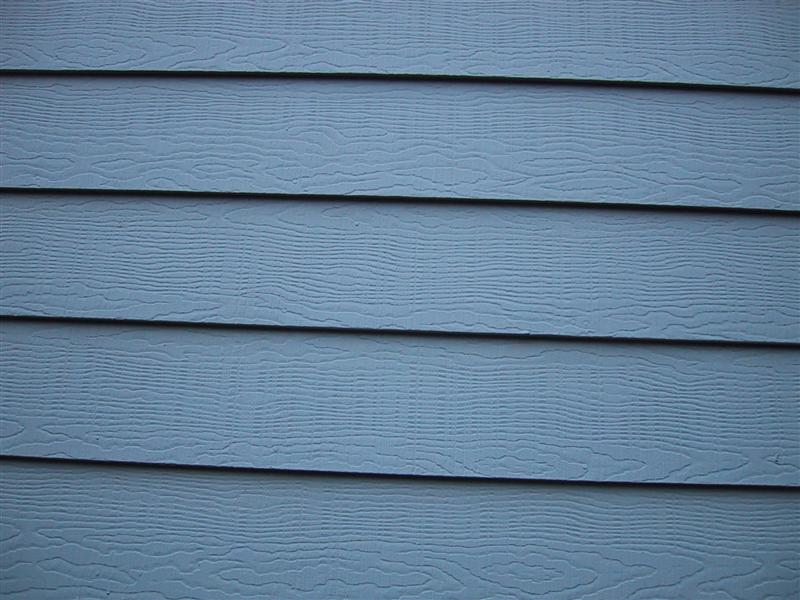
Masonite siding replacement typically costs between $8,000 and $25,000 for many homes, depending on the home size, the replacement siding material selected, labor costs, and any structural repairs needed. Masonite siding, a type of hardboard siding popular in homes built between the 1970s and early 1990s, can deteriorate over time due to moisture exposure. When replacement becomes necessary, homeowners often switch to materials such as vinyl, fiber cement, or engineered wood siding for improved durability.
Table of Contents
- Quick Summary
- Cost Breakdown
- Replacement Material Comparison
- When Masonite Siding Replacement Makes Sense
- Common Mistakes
- Frequently Asked Questions
Quick Summary
- Masonite siding replacement typically costs $8,000–$25,000, depending on home size and materials.
- Masonite siding may deteriorate when exposed to long-term moisture.
- Vinyl and fiber cement are common replacement siding materials.
- Labor and siding removal usually account for a large portion of project costs.
- Replacing siding may improve weather protection and curb appeal.
- Structural repairs may increase the total project cost.
Cost Breakdown
Replacing Masonite siding involves several cost components, including siding removal, new materials, labor, and potential structural repairs. Because Masonite siding can deteriorate when moisture penetrates the surface, contractors may need to repair the underlying sheathing before installing new siding.
Siding Removal and Disposal
Removing Masonite siding typically costs between $1,000 and $4,000, depending on home size and disposal requirements. Contractors must carefully remove the old siding panels before installing new exterior materials.
Replacement Siding Material Costs
The replacement siding material selected has a major impact on the total project cost.
| Replacement Material | Typical Installed Cost |
|---|---|
| Vinyl Siding | $5 – $10 per sq ft |
| Engineered Wood | $7 – $12 per sq ft |
| Fiber Cement | $8 – $15 per sq ft |
| Natural Wood | $10 – $20+ per sq ft |
Vinyl siding is often the least expensive replacement option, while fiber cement and natural wood provide greater durability and aesthetic appeal.
Labor Costs
Labor costs for siding replacement typically account for 40–60% of the total project cost. Labor may include siding removal, installation, trim work, insulation upgrades, and finishing details.
- Installation labor: $4,000 – $12,000+
- Trim and corner work: $1,000 – $3,000
- Moisture barrier installation: $500 – $2,000
Homes with multiple stories or complex exterior designs may have higher installation costs.
Potential Structural Repairs
Because Masonite siding may deteriorate when moisture penetrates the material, contractors sometimes discover damage to the underlying wall sheathing during removal.
Repairing damaged sheathing or framing may add $500 to $5,000+, depending on the extent of the damage.
Replacement Material Comparison
When replacing Masonite siding, homeowners often compare several siding materials based on durability, cost, and maintenance requirements.
| Siding Material | Typical Lifespan | Maintenance Level |
|---|---|---|
| Vinyl | 20 – 30 years | Low |
| Engineered Wood | 20 – 30 years | Moderate |
| Fiber Cement | 30 – 50 years | Low to Moderate |
| Natural Wood | 20 – 40 years | High |
Fiber cement siding is often chosen as a long-term replacement because it resists moisture damage and requires relatively low maintenance.
When Masonite Siding Replacement Makes Sense
Replacing Masonite siding may become necessary when the siding begins to deteriorate or when the exterior of the home requires improved protection.
Replacement may make sense when:
- The siding shows signs of swelling, warping, or rot.
- Moisture damage appears around siding seams or edges.
- Paint no longer adheres properly to the siding surface.
- The home exterior appears outdated or worn.
- The homeowner wants improved insulation and weather protection.
Replacing Masonite siding can also improve the appearance and resale value of the home.
Common Mistakes
- Delaying replacement: Damaged siding may allow moisture to penetrate wall structures.
- Skipping moisture barriers: House wrap helps protect the home from water infiltration.
- Choosing siding based only on cost: Some materials require more maintenance over time.
- Ignoring structural damage: Underlying wall damage may worsen if not repaired.
- Hiring inexperienced installers: Improper installation can lead to long-term moisture problems.
Proper installation and planning can help ensure the replacement siding performs well for decades.
Frequently Asked Questions
Why does Masonite siding fail?
Masonite siding may fail when moisture penetrates the hardboard material, causing swelling, warping, and eventual deterioration.
How long does Masonite siding last?
Masonite siding typically lasts between 20 and 30 years, depending on maintenance and environmental exposure.
What is the best replacement for Masonite siding?
Common replacement options include vinyl siding, fiber cement siding, and engineered wood siding.
Can Masonite siding be repaired instead of replaced?
Minor damage may sometimes be repaired, but widespread deterioration usually requires full siding replacement.
How long does siding replacement take?
Most siding replacement projects take between 3 and 10 days, depending on home size and weather conditions.