
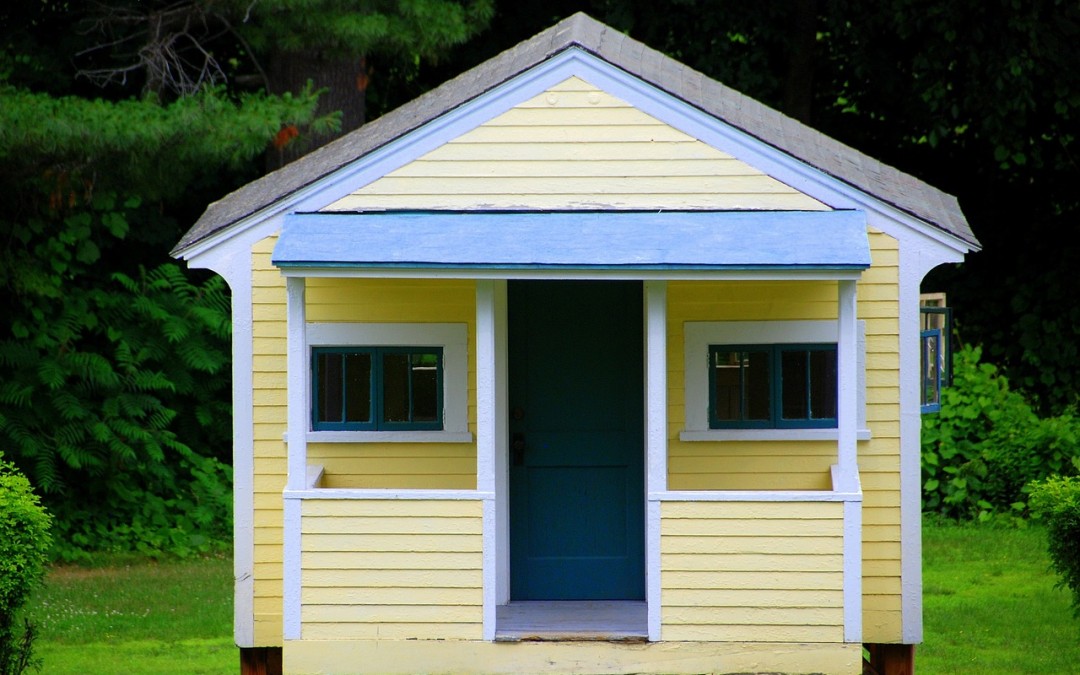
The cost to replace home siding typically ranges from $8,000 to $30,000 for many homes, depending on the siding material, home size, labor rates, and preparation work required. Vinyl siding is usually the most affordable option, while materials like fiber cement, engineered wood, and natural wood siding often cost more. Understanding how siding costs vary by material can help homeowners choose the right balance of durability, appearance, and budget.
Table of Contents
- Quick Summary
- Siding Replacement Cost Breakdown
- Siding Material Comparison
- When Siding Replacement Makes Sense
- Common Siding Replacement Mistakes
- Frequently Asked Questions
Quick Summary
- Typical siding replacement costs range from $8,000 to $30,000+ depending on materials and home size.
- Vinyl siding is often the most affordable option.
- Fiber cement and engineered wood offer durability but cost more.
- Labor usually accounts for 40–60% of the total siding project cost.
- Proper installation and insulation can improve energy efficiency.
- Material choice significantly impacts both cost and maintenance requirements.
Siding Replacement Cost Breakdown
The total cost of replacing siding depends on several factors including the type of siding material, home size, labor requirements, insulation improvements, and removal of old siding.
Average Cost by Home Size
| Home Size | Typical Cost Range |
|---|---|
| 1,000 sq ft home | $7,000 – $14,000 |
| 1,500 sq ft home | $9,000 – $18,000 |
| 2,000 sq ft home | $12,000 – $24,000 |
| 2,500+ sq ft home | $15,000 – $30,000+ |
These estimates include materials and installation labor, although regional labor rates can change final project costs.
Cost by Siding Material
| Siding Material | Typical Installed Cost |
|---|---|
| Vinyl Siding | $5 – $10 per sq ft |
| Engineered Wood | $7 – $12 per sq ft |
| Fiber Cement | $8 – $15 per sq ft |
| Natural Wood | $10 – $20+ per sq ft |
| Metal (Aluminum or Steel) | $8 – $16 per sq ft |
Premium siding materials often increase both installation costs and long-term durability.
Labor Costs
Labor costs can vary depending on home design complexity, siding type, and the condition of the existing structure.
- Siding removal and disposal: $1,000 – $4,000
- Installation labor: $4,000 – $12,000+
- Trim and finishing work: $1,000 – $3,000
Homes with multiple stories, complex architecture, or structural repairs may have higher labor costs.
Additional Siding Costs
Several additional components may increase the total cost of siding replacement:
- House wrap or weather barrier installation
- Insulation board upgrades
- Trim and corner pieces
- Window and door flashing
- Structural repairs to damaged sheathing
These upgrades can improve moisture protection and energy efficiency.
Siding Material Comparison
Different siding materials offer varying levels of durability, maintenance requirements, and installation costs.
| Siding Material | Typical Lifespan | Maintenance Level |
|---|---|---|
| Vinyl | 20 – 30 years | Low |
| Engineered Wood | 20 – 30 years | Moderate |
| Fiber Cement | 30 – 50 years | Low to Moderate |
| Natural Wood | 20 – 40 years | High |
| Metal | 30 – 50 years | Low |
Vinyl siding is commonly selected for affordability, while fiber cement is often chosen for durability and appearance.
When Siding Replacement Makes Sense
Siding replacement can improve both the appearance and protection of a home. It may also help improve insulation and reduce energy loss.
Replacing siding may make sense when:
- The existing siding shows signs of rot, cracking, or warping.
- Moisture damage or mold appears beneath the siding.
- The home requires improved insulation.
- The exterior appearance is outdated.
- The homeowner plans to increase property value before selling.
Replacing siding can also improve weather resistance and reduce maintenance needs.
Common Siding Replacement Mistakes
- Choosing siding based only on price: Lower-cost materials may require more maintenance.
- Skipping house wrap installation: This barrier protects against moisture infiltration.
- Improper flashing installation: Poor flashing can lead to water damage.
- Ignoring insulation upgrades: Siding replacement provides an opportunity to improve energy efficiency.
- Hiring inexperienced contractors: Incorrect installation may cause long-term damage.
Proper installation and planning can help maximize the lifespan of the siding system.
Frequently Asked Questions
What is the cheapest siding option?
Vinyl siding is typically the most affordable siding material and is widely used for residential homes.
How long does siding replacement take?
Most siding replacement projects take between 3 and 10 days depending on home size and weather conditions.
Does new siding increase home value?
New siding can improve curb appeal and may increase resale value, particularly when replacing damaged or outdated materials.
Which siding material lasts the longest?
Fiber cement and metal siding often last 30 to 50 years when properly installed and maintained.
Can homeowners install siding themselves?
Some homeowners attempt vinyl siding installation, but professional installation is often recommended for durability, safety, and warranty coverage.