
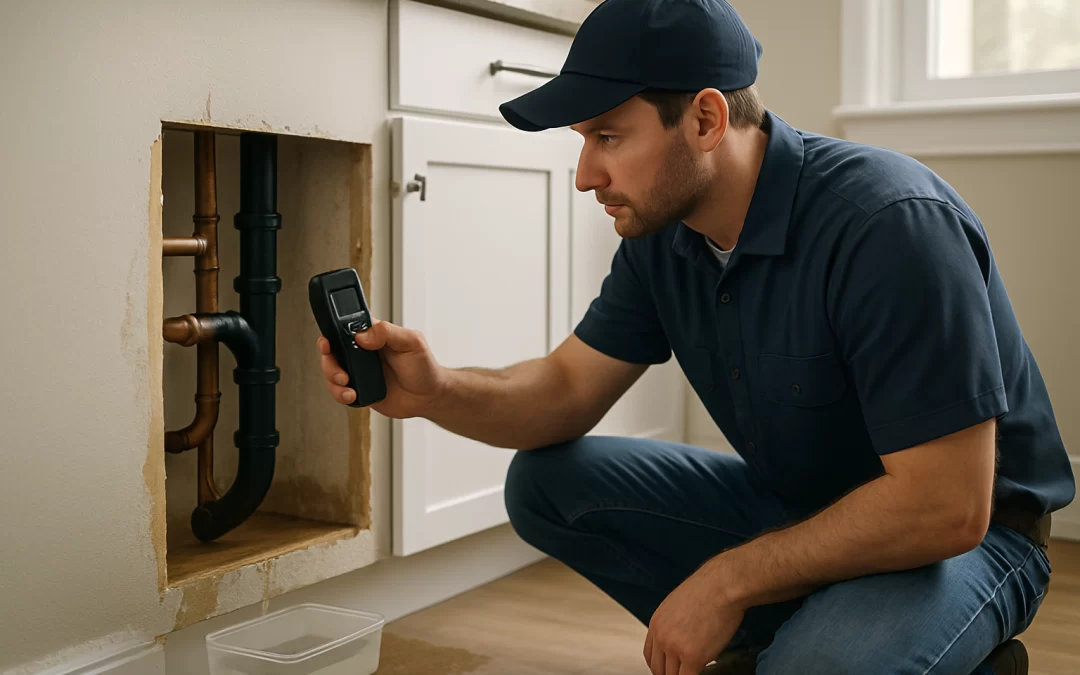
Water leak repair can prevent hundreds to thousands of dollars in water bills, structural damage, and mold cleanup. Fixing small leaks early often costs under $200 and can save $20–$70 per month, especially with hidden or continuous leaks. The tradeoff is that proper leak repair sometimes means opening walls, replacing old pipes, or calling a professional, which can feel expensive upfront but usually costs far less than waiting.
This guide is for homeowners and renters who suspect a water leak, have rising water bills, or want to avoid costly water damage. Water leaks are one of the most expensive “silent” problems in a home because they waste water and quietly damage floors, walls, and foundations. By learning the warning signs, repair options, and when to call a pro, you can protect your home and your budget.
Table of Contents
- Causes of Water Leaks and High Costs
- Common Overspending Behaviors with Water Leaks
- What to Check First When You Suspect a Leak
- Immediate Savings: Fast Leak Repairs and Quick Wins
- Long-Term Savings and Upgrades
- When Spending More on Leak Repair Actually Saves Money
- Common Costly Mistakes in Water Leak Repair
- When to Hire a Professional for Water Leak Repair
- Costs, Savings, and Payback Periods
- How to Decide: DIY vs Pro, Quick Fix vs Upgrade
- Frequently Asked Questions
- Summary and Next Steps
Causes of Water Leaks and High Costs
Most water leaks come from a few predictable sources. Understanding them helps you find problems faster and avoid repeat repairs.
Common causes of water leaks
- Worn-out toilet parts – Flapper valves and fill valves wear out and let water run constantly from the tank to the bowl.
- Dripping faucets and showerheads – Old washers, cartridges, or mineral buildup cause slow but continuous drips.
- Supply line failures – Flexible hoses to toilets, sinks, dishwashers, and washing machines can crack or burst.
- Pipe corrosion or freezing – Older metal pipes corrode, and uninsulated pipes can freeze and split in cold climates.
- Water heater leaks – Failing tanks, valves, or connections can drip or flood nearby areas.
- Roof and exterior leaks – Damaged shingles, flashing, or siding let water into walls and ceilings.
- Slab or underground leaks – Buried pipes under the foundation or yard can leak for months unnoticed.
How leaks drive up costs
- Higher water and sewer bills – Even a small toilet leak can waste 200–1,000+ gallons per day, adding $20–$100+ per month depending on local rates.
- Structural damage – Long-term leaks can rot subfloors, framing, and drywall, leading to repairs in the thousands.
- Mold and mildew – Moisture behind walls or under floors can require professional remediation, often $1,000–$5,000 or more.
- Higher insurance costs – Claims for water damage can raise premiums or lead to coverage limits later.
Common Overspending Behaviors with Water Leaks
Many homeowners spend more than necessary on leaks, either by ignoring them or by choosing the wrong repair approach.
- Ignoring “small” drips – A slow drip can waste thousands of gallons per year; waiting often costs more than a quick $10–$50 repair.
- Paying for repeated patch jobs – Constantly patching the same pipe or fixture instead of replacing worn parts or sections of pipe.
- Over-remodeling to fix a leak – Tearing out entire bathrooms or kitchens when a targeted repair would solve the problem.
- Not checking the water bill – Missing early signs of a leak because bills are on autopay and never reviewed.
- Calling emergency services for non-emergencies – Paying after-hours or weekend rates when a shutoff valve could buy time until regular hours.
- Skipping preventive maintenance – Not replacing old hoses, valves, or toilet parts until they fail and cause damage.
What to Check First When You Suspect a Leak
Before you spend money, do a simple, step-by-step check. This can quickly confirm whether you have a leak and where to focus.
Step 1: Look at your water meter
- Turn off all water-using fixtures and appliances (no faucets, toilets, washing machine, dishwasher, or sprinklers running).
- Find your water meter (usually in the basement, utility room, or a box near the street).
- Check the small leak indicator (often a triangle or dial). If it’s spinning when everything is off, you likely have a leak.
- Record the reading, wait 30–60 minutes without using water, and check again. Any change suggests a hidden leak.
Step 2: Check toilets (top priority)
- Listen for hissing or running water when the toilet is not being used.
- Add a few drops of food coloring to the tank; wait 10–15 minutes without flushing. If color appears in the bowl, the flapper is leaking.
- Wiggle the handle; if jiggling stops the sound, the internal parts likely need replacement.
Step 3: Inspect faucets, showers, and visible pipes
- Look under sinks for dampness, stains, or warped cabinet bottoms.
- Check around tubs and showers for soft spots, loose tiles, or peeling caulk.
- Inspect exposed pipes in basements, crawl spaces, and utility rooms for corrosion, drips, or mineral deposits.
Step 4: Look for hidden leak clues
- Water stains on ceilings or walls, especially below bathrooms or near roofs.
- Musty smells, especially in closets, basements, or near exterior walls.
- Warm spots on floors (possible hot water slab leak).
- Wet or unusually green patches in the yard, especially near buried lines.
Immediate Savings: Fast Leak Repairs and Quick Wins
Some water leak repairs are simple, low-cost, and can start saving money right away.
Easy DIY fixes (low cost, fast payback)
- Replace toilet flappers and fill valves
- Cost: $10–$40 in parts per toilet.
- Time: 30–60 minutes with basic tools.
- Typical savings: $10–$50+ per month if the toilet was running.
- Payback: Often within 1–3 months.
- Fix dripping faucets and showerheads
- Cost: $5–$40 for washers, cartridges, or a new aerator.
- Time: 30–90 minutes.
- Typical savings: $5–$20 per month per fixture.
- Payback: Usually under 6 months.
- Tighten or replace loose supply hoses (toilets, sinks, washing machines)
- Cost: $10–$40 per hose.
- Prevents: Sudden bursts that can cause thousands in damage.
Simple behavior changes
- Shut off water quickly when a leak appears – Know where your main shutoff valve is and how to use it.
- Check your bill monthly – Compare usage month-to-month; sudden jumps often signal leaks.
- Use a timer for irrigation – Overwatering can hide outdoor leaks and drive up bills.
Long-Term Savings and Upgrades
Some upgrades cost more upfront but reduce the risk of major leaks and lower water bills for years.
Replace aging or risky components
- Stainless steel braided supply lines
- Cost: $10–$25 per line.
- Use for: Toilets, sinks, washing machines.
- Benefit: Much lower risk of burst hoses compared to old rubber lines.
- New shutoff valves
- Cost: $20–$60 per valve plus labor if using a plumber.
- Benefit: Reliable shutoffs make future leaks cheaper and easier to control.
- Replace old or corroded pipes
- Cost: A few hundred dollars for small sections; $3,000–$15,000+ for whole-house repiping depending on size and material.
- Benefit: Fewer leaks, better water pressure, and reduced risk of major failures.
Water-efficient fixtures and appliances
- WaterSense toilets and faucets
- Cost: $150–$400 per toilet; $40–$150 per faucet.
- Savings: 20–60% less water per use compared to older models.
- Payback: Often 3–7 years through lower water bills, faster if you replace a leaking unit.
- High-efficiency washing machines and dishwashers
- Cost: $500–$1,200+ depending on model.
- Savings: Lower water and energy use; reduced strain on plumbing.
Leak detection and monitoring
- Smart leak detectors (sensors placed near water heaters, under sinks, in basements)
- Cost: $30–$80 per sensor; $200–$600 for whole-home systems.
- Benefit: Alerts you early, often before major damage occurs.
- Automatic shutoff valves
- Cost: $300–$800 for equipment plus installation.
- Benefit: Can automatically shut off water when a leak is detected, preventing large losses.
When Spending More on Leak Repair Actually Saves Money
Sometimes the cheapest repair today is the most expensive choice over time. In certain situations, investing more upfront is the smarter financial move.
- Repeated leaks in the same area
- If a pipe or fixture has leaked more than once, replacing the section or unit is often cheaper than ongoing patching.
- Example: Replacing a $250–$500 leaking toilet can be cheaper than multiple $150 service calls plus higher water bills.
- Old, failing plumbing systems
- Homes with galvanized steel or polybutylene pipes often benefit from repiping rather than constant repairs.
- While repiping can cost thousands, it can prevent repeated leaks, water damage, and insurance claims.
- Hidden leaks behind finished walls
- Paying a professional to locate and properly repair a hidden leak is usually cheaper than guessing and opening multiple areas yourself.
- Accurate leak detection reduces drywall repair and repainting costs.
- Water heater near end of life
- If a 10–15-year-old water heater starts leaking, replacement is usually smarter than repair.
- A sudden tank failure can flood surrounding areas, causing thousands in damage.
Common Costly Mistakes in Water Leak Repair
Avoiding a few frequent mistakes can save you from big repair bills and repeated problems.
- Covering up damage without fixing the source
- Painting over stains or replacing drywall without repairing the leak leads to mold and repeat damage.
- Using the wrong materials
- Mixing incompatible metals or using low-quality fittings can cause corrosion and new leaks.
- Temporary “tape fixes” on pressurized lines often fail under pressure.
- Skipping shutoff valves
- Installing fixtures without accessible shutoff valves makes future leaks harder and more expensive to manage.
- Not drying out wet areas properly
- Failing to fully dry and ventilate after a leak encourages mold growth and structural damage.
- Delaying professional help for major leaks
- Trying to DIY complex or hidden leaks can lead to more damage and higher repair bills later.
When to Hire a Professional for Water Leak Repair
Some leaks are safe to tackle yourself; others are better handled by a licensed plumber or water damage specialist.
Situations where a professional is strongly recommended
- Hidden leaks in walls, ceilings, or slabs
- Signs: Sound of running water with no fixtures on, warm floor spots, unexplained high bills.
- Pros have leak detection tools (acoustic, thermal, moisture meters) that reduce guesswork and wall damage.
- Major pipe bursts or continuous leaks
- If shutting off local valves doesn’t stop the leak, turn off the main and call a plumber.
- Extensive water damage or mold
- Large areas of wet drywall, ceilings, or visible mold growth often require professional remediation.
- Complex plumbing systems
- Multi-story homes, older homes with unknown pipe materials, or homes with prior DIY work may need expert evaluation.
- Work near electrical systems or gas lines
- Leaks around water heaters, boilers, or near electrical panels are higher risk and should be handled by pros.
What to look for in a professional
- Licensed and insured plumber or water damage contractor.
- Clear written estimates and scope of work.
- Experience with leak detection and repair, not just general plumbing.
- Good local reviews and references.
Costs, Savings, and Payback Periods
Understanding typical costs and savings helps you decide which water leak repairs to prioritize.
Typical repair and upgrade costs
- Toilet flapper and fill valve replacement
- DIY: $10–$40 in parts.
- Professional: $100–$250 including labor.
- Faucet or shower leak repair
- DIY: $5–$40 in parts.
- Professional: $150–$350 depending on complexity.
- Minor pipe leak (accessible)
- Professional: $200–$600 for cut-and-replace of a small section.
- Leak detection (hidden leaks)
- Professional: $150–$600 depending on methods and time.
- Water heater replacement
- Standard tank: $900–$2,000 installed.
- Tankless: $2,000–$4,000+ installed.
- Whole-house repiping
- Cost: $3,000–$15,000+ depending on size, materials, and access.
Monthly savings estimates
- Fixing a running toilet
- Savings: $10–$70+ per month depending on severity and local water rates.
- Stopping a dripping faucet or shower
- Savings: $5–$20 per month per fixture.
- Repairing a hidden slab or underground leak
- Savings: $30–$150+ per month in water bills, plus avoided damage costs.
Payback periods: when is it worth it?
- Small, obvious leaks
- Usually worth fixing immediately; payback is often under a few months.
- Moderate repairs ($200–$600)
- Worth it when leaks are continuous or causing damage; payback often 6–24 months plus avoided repair costs.
- Major upgrades (repiping, smart shutoffs)
- Financially smart when you have repeated leaks, old plumbing, or high-value finishes at risk.
- Payback is often measured in avoided disasters rather than just lower bills.
In general, if a repair costs less than a year of extra water bills plus potential damage, it’s usually worth doing sooner rather than later.
How to Decide: DIY vs Pro, Quick Fix vs Upgrade
Use these simple guidelines to choose the right approach for your situation.
Do it now vs later
- Do it now if:
- You see active dripping, running water, or rising water bills.
- There are stains, soft spots, or musty smells.
- The leak is near electrical systems or valuable finishes (hardwood floors, custom cabinets).
- Can wait briefly if:
- The leak is fully stopped by shutting off a local valve.
- There’s no visible damage and the area is dry.
- You’re scheduling a professional visit during normal hours to avoid emergency rates.
DIY vs professional
- Good DIY candidates
- Replacing toilet flappers and fill valves.
- Fixing simple faucet drips with new washers or cartridges.
- Replacing visible supply hoses and installing basic leak sensors.
- Better for professionals
- Hidden leaks in walls, ceilings, or slabs.
- Major pipe repairs, repiping, or work near electrical or gas lines.
- Extensive water damage or any mold concerns.
Cheap fix vs long-term upgrade
- Choose the cheap fix when:
- The fixture or pipe is otherwise in good condition and not near end of life.
- You’re dealing with a first-time, minor issue.
- You plan to remodel or replace the system in the near future anyway.
- Choose the upgrade when:
- The same area has leaked more than once.
- The plumbing is old, corroded, or made from known problem materials.
- You want to protect high-value finishes or have had prior water damage.
Frequently Asked Questions
How much can I save by fixing a water leak?
Fixing common leaks like running toilets and dripping faucets can save $15–$90+ per month, depending on your local water rates and the size of the leak. Hidden or underground leaks can cost even more, so repairing them quickly can pay for itself within months and prevent thousands in damage.
Is it worth calling a plumber for a small leak?
Yes, if you can’t easily fix it yourself or if the leak is in a wall, ceiling, or floor. A $200–$400 professional repair is often cheaper than months of higher water bills or a future mold problem that costs thousands to fix.
How do I know if I have a hidden water leak?
Signs include unexplained high water bills, the sound of running water when everything is off, warm spots on floors, musty smells, or stains on ceilings and walls. Checking your water meter with all fixtures off is a simple way to confirm if water is still flowing.
Can I ignore a slow drip if my water bill isn’t that high?
Ignoring a slow drip is rarely a good idea. Even if the bill impact seems small now, leaks tend to worsen over time and can cause damage to cabinets, floors, and walls, which is far more expensive than a quick repair.
Should I repair or replace an old leaking toilet?
If the toilet is in good shape and under 15–20 years old, replacing internal parts is usually enough and very cost-effective. If it’s older, cracked, or has recurring issues, replacing it with a modern, efficient model can lower your water use and reduce future repair costs.
Does insurance cover water leak repairs?
Insurance often covers sudden, accidental water damage but usually not the cost to repair long-term leaks or neglected maintenance. Fixing leaks early reduces the risk of denied claims and higher premiums later.
Summary and Next Steps
Water leak repair is one of the most effective ways to protect your home and control monthly costs. Small, inexpensive fixes like toilet parts and faucet repairs can pay for themselves in a few months, while timely professional help for hidden or major leaks can prevent thousands of dollars in damage.
Your best next steps:
- Check your water meter and recent bills for signs of leaks.
- Inspect toilets, faucets, and visible pipes for obvious problems and fix simple issues right away.
- Call a licensed professional if you suspect a hidden leak, see significant damage, or feel unsure about a repair.
- Plan long-term upgrades—like better supply lines, shutoff valves, and leak detectors—to reduce future risk.
By acting early and choosing the right level of repair, you can keep your home safe, avoid surprise bills, and make smarter decisions about when to save and when to invest in your plumbing system.