
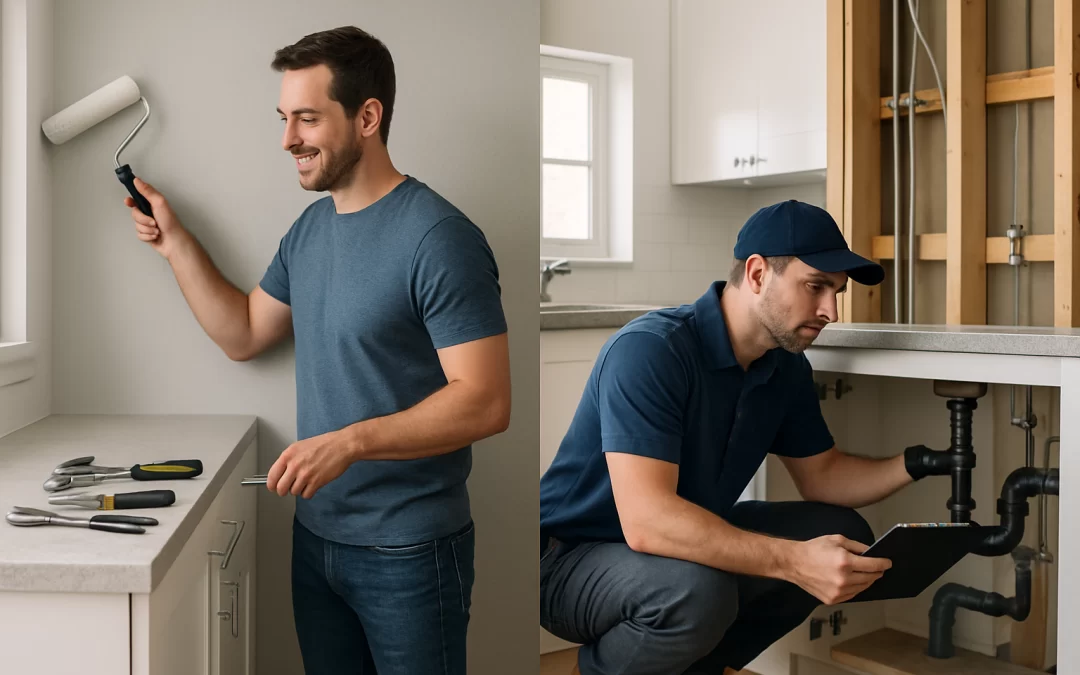
Smart DIY home renovation starts with a clear plan, realistic budget, and knowing when not to do it yourself. With careful planning, many homeowners can save 10–30% compared to hiring everything out, but rushing in or guessing costs often leads to expensive mistakes and blown budgets. You can cut hundreds or even thousands of dollars from a project by avoiding scope creep, comparing materials, and doing safe, simple tasks yourself. The tradeoff is time and effort—saving money usually means more planning, slower progress, and learning as you go.
This guide is for homeowners and renters who want to improve their space without draining savings or piling on debt. Renovation costs can spiral quickly when you don’t know what to expect, don’t track spending, or try to fix problems after they appear. By understanding where projects usually go over budget and how to plan step-by-step, you can get the upgrades you want while protecting your wallet.
Table of Contents
- Causes of High Renovation Costs
- Common Overspending Behaviors in DIY Renovations
- What to Check First Before Any DIY Renovation
- Immediate Savings: Low-Cost DIY Projects with Fast Payback
- Long-Term Savings and Smart Upgrade Ideas
- When Spending More Now Actually Saves Money Later
- Common Costly DIY Renovation Mistakes to Avoid
- When to Hire a Professional Instead of DIY
- Decision Guide: Do Now vs Later, DIY vs Pro, Quick Fix vs Upgrade
- Frequently Asked Questions
- Summary and Next Steps
Causes of High Renovation Costs
Renovation costs climb quickly when projects are poorly planned, materials are chosen on impulse, or hidden problems appear mid-project. Understanding these drivers helps you design a project that fits your budget from the start.
1. Scope creep (the project keeps growing)
Scope creep happens when you start with one goal and keep adding “just one more thing.” For example, repainting a room turns into replacing trim, then flooring, then doors.
- Financial impact: Can easily double your original budget.
- How to avoid: Write down a clear project scope and a “not this time” list before you start.
2. Underestimating labor and time
DIY can save on labor, but only if you realistically estimate how long tasks will take and what tools you need. Many people assume a weekend project that actually takes several weeks.
- Financial impact: Extra tool rentals, takeout meals, and time off work can add hundreds of dollars.
- How to avoid: Double your first time estimate and add 10–20% to your budget for surprises.
3. Hidden structural or safety issues
Older homes or previously remodeled spaces may hide problems behind walls, under floors, or in electrical and plumbing systems. Once you open things up, you may be required to bring them up to current code.
- Financial impact: Surprise repairs can add 20–50% to a project.
- How to avoid: Budget a 10–20% contingency and get a basic inspection or pro opinion for major projects.
4. Premium finishes and “trend chasing”
High-end materials, designer fixtures, and trendy finishes cost more and often don’t add equal value to your home. Styles also date quickly, which can push you into another renovation sooner than necessary.
- Financial impact: Premium choices can raise material costs by 30–100%.
- How to avoid: Use durable, mid-range materials and keep big surfaces (floors, cabinets) classic.
Common Overspending Behaviors in DIY Renovations
Many budget problems come from habits and decisions, not just prices. Recognizing these patterns helps you control costs without feeling deprived.
1. Buying tools you rarely use
- Specialty tools can cost $100–$500 and may only be used once.
- Money-saving tip: Rent or borrow tools for one-time tasks instead of buying.
2. Shopping without a list or measurements
- Guessing on quantities leads to extra trips, impulse buys, and wasted materials.
- Money-saving tip: Measure everything twice and create a detailed shopping list before going to the store.
3. Ignoring small add-ons that add up
- Adhesives, fasteners, trim pieces, and “nice-to-have” accessories can quietly add 10–20% to your bill.
- Money-saving tip: Include these items in your initial budget and question each add-on.
4. Rushing and paying for convenience
- Last-minute deliveries, rush shipping, and buying from the closest store instead of the best value all cost more.
- Money-saving tip: Start planning 2–4 weeks before you buy so you can compare prices and avoid rush fees.
What to Check First Before Any DIY Renovation
Before you spend money on visible upgrades, make sure your home’s basics are safe and sound. Fixing hidden issues first protects your investment and prevents redoing work later.
1. Safety and structural basics
- Check for water leaks, soft spots in floors, cracks in foundations, and signs of mold.
- Test smoke and carbon monoxide detectors and confirm you have working GFCI outlets in kitchens and bathrooms.
- Why it matters: Cosmetic upgrades over hidden damage usually have to be ripped out and redone.
2. Electrical and plumbing condition
- Look for outdated wiring (cloth or aluminum), overloaded outlets, or frequent breaker trips.
- Check for slow drains, low water pressure, or signs of past leaks under sinks.
- When to call a pro: If you see scorched outlets, aluminum wiring, or major leaks.
3. Insulation and air leaks
- Check attic, basement, and around windows/doors for drafts and missing insulation.
- Improving insulation can reduce heating and cooling bills by 10–30% in many homes.
- For more detail on costs and safety, see this guide on fiberglass insulation cost and risks.
4. Local rules and permits
- Many structural, electrical, and plumbing changes require permits.
- Skipping permits can cause problems when you sell or file insurance claims.
- Money-saving tip: Call your local building department before starting major work.
Immediate Savings: Low-Cost DIY Projects with Fast Payback
Some DIY projects start saving you money right away, often with low upfront costs and quick payback periods. These are ideal first projects if you’re watching your budget.
1. Weatherstripping and sealing air leaks
- Upfront cost: $30–$150 for weatherstripping, caulk, and foam sealant.
- Monthly savings: $10–$30 on heating and cooling in many climates.
- Payback period: 2–10 months.
- Best for: Drafty doors, windows, and gaps around pipes and outlets.
2. Switching to energy-efficient lighting
- Upfront cost: $3–$10 per LED bulb; $50–$200 to upgrade several rooms.
- Monthly savings: $5–$20 on electricity, depending on usage.
- Payback period: 3–18 months.
- Learn more in this guide to energy-efficient lighting options and cost savings.
3. Low-flow showerheads and faucet aerators
- Upfront cost: $20–$100 for several fixtures.
- Monthly savings: $5–$25 on water and water heating.
- Payback period: 2–12 months.
- Note: Savings are higher in larger households or high water-cost areas.
4. Programmable or smart thermostat (simple swap)
- Upfront cost: $50–$250 depending on model.
- Monthly savings: $10–$40 on heating and cooling with proper use.
- Payback period: 6–24 months.
- Tip: Many utilities offer rebates that reduce upfront cost.
Long-Term Savings and Smart Upgrade Ideas
Some renovations cost more upfront but deliver ongoing savings and comfort. These are best when you plan to stay in your home for several years.
1. Insulation upgrades
- Upfront cost: $500–$3,000+ depending on area and material.
- Monthly savings: $20–$80 on heating and cooling.
- Payback period: 3–8 years, often faster in extreme climates.
- Best targets: Attic, basement or crawlspace, and exposed walls.
2. High-efficiency windows (when truly needed)
- Upfront cost: $500–$1,200 per window installed.
- Monthly savings: $10–$40 on energy for a whole-house upgrade.
- Payback period: 10–20+ years; often more about comfort and noise than pure savings.
- When worth it: Rotting frames, single-pane windows in cold/hot climates, or major drafts.
3. Efficient outdoor lighting
- Upfront cost: $50–$500 depending on number of fixtures.
- Monthly savings: $3–$15 compared to halogen or incandescent outdoor lights.
- Payback period: 1–4 years.
- See more details in this guide to energy-efficient outdoor lighting and long-term savings.
4. Water heater and appliance upgrades
- Upfront cost: $600–$2,500 for water heaters; $400–$2,000 per major appliance.
- Monthly savings: $10–$40 on energy and water.
- Payback period: 5–12 years; often aligned with end-of-life replacement rather than early upgrade.
- Tip: Time upgrades for when old units fail or need major repair.
When Spending More Now Actually Saves Money Later
Sometimes the cheapest option costs more over time. Knowing when to pay a little extra can prevent repeat work, damage, or high operating costs.
1. Quality materials in high-wear areas
- Floors, countertops, and exterior paint take daily abuse.
- Example: Spending $1,000 more on durable flooring that lasts 15 years instead of 5 can save $2,000–$4,000 in future labor and materials.
- Rule of thumb: Pay more where it’s hard or expensive to replace later.
2. Proper prep work
- Skipping sanding, cleaning, or priming often leads to peeling paint or failed finishes.
- Financial impact: Repainting or refinishing can double your total cost.
- Smart spend: Extra $50–$200 on prep materials can protect a $1,000+ project.
3. Professional help for complex systems
- Electrical, structural, and major plumbing mistakes can cause fires, floods, or code violations.
- Financial impact: A $300–$800 professional job can prevent thousands in damage or rework.
- Guideline: If a mistake could cause serious damage or safety risk, paying a pro is often cheaper overall.
Common Costly DIY Renovation Mistakes to Avoid
Avoiding a few frequent errors can save you thousands of dollars and a lot of stress.
1. Starting without a detailed budget
- Many people only budget for big items and forget small but necessary costs.
- Fix: List every item you’ll need, including fasteners, tape, sandpaper, and disposal fees.
- Budget rule: Add 10–20% contingency for surprises.
2. Measuring incorrectly
- Wrong measurements lead to wasted materials and returns.
- Fix: Measure at least twice, in multiple spots, and write it down immediately.
- Cost impact: Incorrect cuts on flooring, countertops, or trim can waste $50–$500+.
3. Skipping permits and inspections
- Unpermitted work can delay home sales and may have to be redone.
- Cost impact: Fines, rework, and extra inspections can exceed the original savings.
- Fix: Check local rules for structural, electrical, and plumbing changes.
4. Over-improving for your neighborhood
- Spending more than your area’s typical home value can limit your return on investment.
- Example: A $60,000 kitchen in a modest neighborhood may only add a fraction of that to resale value.
- Fix: Look at similar homes nearby and aim for mid-range upgrades.
5. Ignoring maintenance while renovating
- Focusing only on new projects while skipping roof, gutter, or HVAC maintenance can lead to big repair bills.
- Fix: Set aside part of your budget (5–10%) for routine maintenance and small repairs.
When to Hire a Professional Instead of DIY
DIY is not always the cheapest option once you factor in risk, time, and potential mistakes. Some jobs are better left to licensed professionals.
1. Work that affects safety or structure
- Examples: Moving load-bearing walls, major electrical changes, gas lines, and main plumbing stacks.
- Risk: Structural failure, fire, gas leaks, or flooding.
- Financial logic: Paying $1,000–$5,000 for expert work is cheaper than repairing major damage or failing inspections.
2. Projects requiring permits and inspections
- Pros know local codes and how to pass inspections the first time.
- Cost benefit: Fewer delays, less rework, and better long-term reliability.
3. Highly specialized or dangerous tasks
- Examples: Asbestos removal, major roofing, complex HVAC work.
- Risk: Health hazards and costly mistakes.
- Tip: Get at least two quotes and ask about warranties and insurance.
4. When your time is very limited
- If a project would take you weeks but a pro can finish in days, the time savings may be worth the cost.
- Money check: Compare your hourly income (or value of your time) to the cost difference between DIY and pro.
Decision Guide: Do Now vs Later, DIY vs Pro, Quick Fix vs Upgrade
Use this simple framework to decide how and when to tackle each renovation project.
1. Do now vs later
- Do now: Safety issues (electrical hazards, leaks, structural concerns), projects that prevent further damage, and upgrades with fast payback (weatherstripping, LED bulbs).
- Do later: Purely cosmetic changes, major remodels that require saving up, and projects where you’re unsure of the design.
- Money rule: Prioritize anything that stops ongoing damage or high monthly bills.
2. Quick fix vs long-term investment
- Quick fix: Low-cost, short-term solutions when you’re renting, planning to move soon, or saving for a bigger project.
- Investment: Higher-cost upgrades with multi-year benefits when you plan to stay 5+ years.
- Check payback: If the payback period is longer than you plan to stay, focus on cheaper fixes.
3. DIY vs professional
- DIY is better when: The project is simple, low-risk, and you can learn the skills safely (painting, basic trim, simple fixture swaps).
- Hire a pro when: Mistakes could cause major damage, violate code, or risk safety.
- Hybrid approach: Do demolition, painting, and cleanup yourself; hire pros for complex parts.
4. Cheap fix vs full upgrade
- Choose cheap fix when: You need a short-term solution or the existing item is near end-of-life anyway.
- Choose upgrade when: The new option significantly lowers monthly costs or solves ongoing problems.
- Example: Patching a failing water heater may cost $200 now but lead to a $1,000 flood later; replacing it may be smarter.
Frequently Asked Questions
How much can I realistically save by doing home renovation DIY?
Many homeowners save 10–30% on total project costs by doing safe, simple tasks themselves, such as painting, demolition, and basic installations. On a $5,000 project, that can mean $500–$1,500 in savings. The tradeoff is more time, effort, and the need to learn new skills carefully.
What’s the first step to planning a budget-friendly renovation?
Start by defining a clear scope: what you will do, what you won’t do, and your maximum total budget. Then list every material, tool, and service you’ll need with estimated prices, and add a 10–20% contingency for surprises. This upfront planning prevents impulse spending and mid-project money stress.
Which DIY projects give the fastest financial payback?
Projects like weatherstripping, sealing air leaks, installing LED lighting, and adding low-flow showerheads often pay for themselves within a few months to a year. These upgrades usually cost under a few hundred dollars and can cut utility bills by $10–$50 per month. They’re ideal starting points before tackling larger renovations.
When is a renovation not worth the cost?
A renovation is often not worth it when the payback period is longer than you plan to stay in the home, or when it over-improves your property for the neighborhood. Expensive, highly customized projects that don’t reduce monthly costs or add broad appeal can be poor financial choices. In those cases, smaller, targeted updates are usually smarter.
How do I avoid going over budget on a DIY renovation?
Set a firm total budget, create a detailed cost breakdown, and track every purchase as you go. Avoid scope creep by sticking to your original plan and keeping a separate “future projects” list. If costs start to rise, pause and adjust the scope before spending more.
Is it cheaper to renovate all at once or in stages?
Doing everything at once can save on labor and repeated setup costs, but it requires more cash upfront and leaves less room for learning. Staging projects lets you spread costs over time and adjust based on what you learn from early projects. For most budget-conscious homeowners, a phased approach with clear priorities is safer financially.
Summary and Next Steps
DIY home renovation can significantly cut costs when you plan carefully, understand where money usually leaks away, and know when to bring in a professional. Focusing first on safety, preventing damage, and quick-payback upgrades can save you $20–$100+ per month on utilities and avoid thousands in future repairs.
- Start with a clear scope, realistic budget, and 10–20% contingency.
- Tackle low-cost, high-impact projects like sealing air leaks and upgrading lighting.
- Invest more in areas that affect safety, durability, and long-term operating costs.
- Use a decision framework to choose between DIY vs pro and quick fix vs full upgrade.
Your next step is to pick one small, high-value project—such as weatherstripping, LED lighting, or basic insulation improvements—and plan it in detail before you spend. As you build skills and confidence, you can take on larger renovations with a clear eye on costs, savings, and long-term value.