
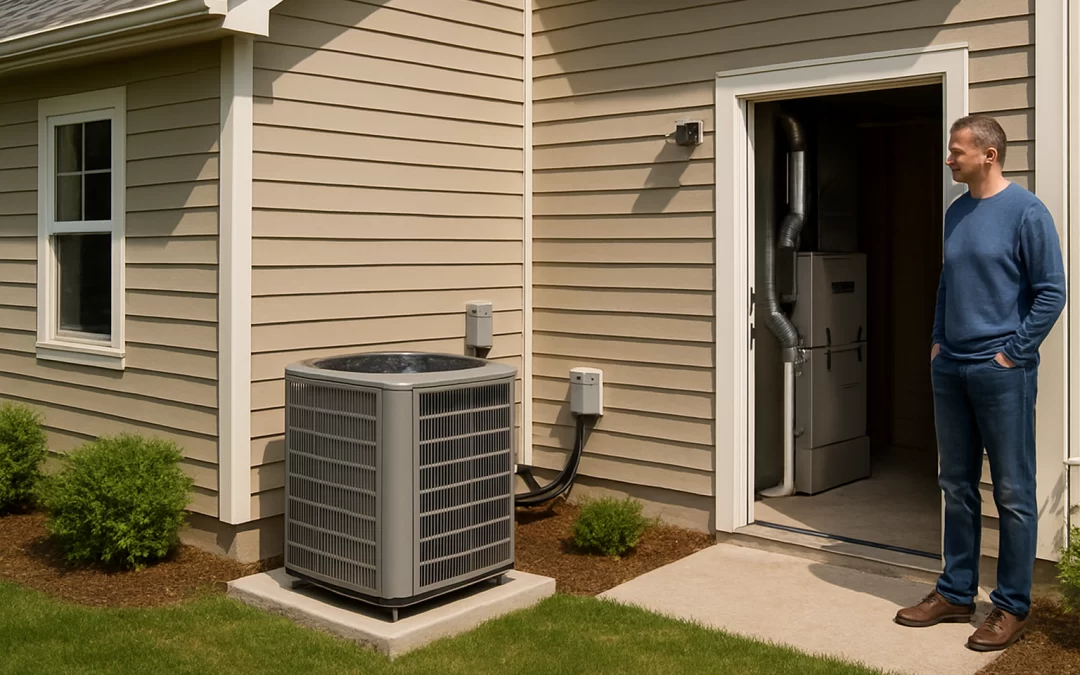
Heating and cooling replacement costs typically range from about $5,000 to $15,000 for a full HVAC system, with most homeowners paying around $8,000–$12,000 for a mid-efficiency central system installed. A new, efficient system can cut heating and cooling bills by 15%–30%, often saving $300–$800 per year depending on your climate and home size. However, the upfront cost is high, and if your current system is still in decent shape, the payback period can stretch beyond 10 years.
This guide is for homeowners who want to understand what HVAC replacement really costs, what’s worth paying for, and how to avoid overspending. Heating and cooling is usually your biggest energy expense, so smart decisions here can free up thousands of dollars over the life of your home. We’ll walk through what drives costs, where people waste money, and how to choose between repair, replacement, and upgrades.
Table of Contents
- What Drives Heating and Cooling Replacement Costs
- Common Ways Homeowners Overspend on HVAC
- What to Check Before Replacing Your HVAC System
- Immediate Ways to Save on Heating and Cooling Costs
- Long-Term Savings and Smart HVAC Upgrades
- When Spending More on HVAC Actually Saves You Money
- Common Costly HVAC Replacement Mistakes
- When to Hire a Professional vs DIY
- Decision Guide: Repair vs Replace, Now vs Later
- Frequently Asked Questions
- Summary and Next Steps
What Drives Heating and Cooling Replacement Costs
HVAC replacement cost is more than just the price of the furnace or AC unit. Labor, ductwork, permits, and efficiency level all add up. Understanding these drivers helps you spot fair quotes and avoid paying for things you don’t need.
Typical HVAC Replacement Cost Ranges
- Furnace only: $2,500–$6,000 installed
- Central AC only: $3,500–$8,000 installed
- Full central HVAC system (furnace + AC or heat pump): $5,000–$15,000 installed
- Ductless mini-split (per zone): $3,000–$6,000 installed
Most homeowners replacing both heating and cooling at the same time land around $8,000–$12,000 for a standard-sized home with existing ductwork in decent condition.
Key Factors That Increase or Decrease Cost
- System size (capacity): Larger homes need larger systems, which cost more. Oversized systems also cost more to run and can wear out faster.
- Efficiency rating: Higher SEER (cooling efficiency) and AFUE (heating efficiency) units cost more upfront but can lower monthly bills.
- Ductwork condition: Replacing or adding ducts can add $2,000–$5,000+ to the project.
- Electrical and structural work: Upgrading electrical panels, adding new lines, or modifying framing increases labor costs.
- Local labor rates: Urban and high-cost-of-living areas typically have higher installation prices.
- Brand and features: Premium brands, variable-speed compressors, and smart controls add cost but may improve comfort and efficiency.
How Efficiency Affects Monthly Bills
Heating and cooling often make up 40%–60% of a home’s energy use. Upgrading from an older, low-efficiency system to a modern, mid- or high-efficiency system can reduce that portion by 15%–30%.
- Example: If you currently spend $200/month on heating and cooling on average:
- 15% savings ≈ $30/month ($360/year)
- 25% savings ≈ $50/month ($600/year)
- 30% savings ≈ $60/month ($720/year)
In mild climates or well-insulated homes, savings may be on the lower end. In very hot or cold climates, savings can be higher because your system runs more.
Common Ways Homeowners Overspend on HVAC
Many homeowners pay thousands more than necessary for heating and cooling replacement because they focus only on the equipment price. Overspending usually comes from poor sizing, unnecessary add-ons, or skipping comparison shopping.
Oversized Systems
- Contractors sometimes install larger systems “just in case,” which:
- Costs $500–$2,000 more upfront
- Short-cycles, causing more wear and higher repair costs
- Can make your home less comfortable (temperature swings, humidity issues)
- Right-sized systems are usually cheaper to buy and cheaper to run.
Paying for Features You Don’t Use
- High-end variable-speed systems can be great, but:
- They may add $2,000–$4,000 to the project
- In mild climates or small homes, the extra savings may be small
- Smart thermostats and zoning can save money, but only if you actually use the features and program them correctly.
Not Comparing Multiple Quotes
- Prices for the same job can vary by 20%–40% between contractors.
- Getting at least 3 detailed quotes can easily save $1,000–$3,000 on a full system replacement.
- Look for itemized quotes so you can see equipment vs labor vs extras.
Ignoring the House Itself
- Spending $10,000 on a high-efficiency system while your home leaks air and has poor insulation often leads to disappointing savings.
- Sometimes a smaller HVAC upgrade plus better insulation and air sealing yields more comfort and lower bills for less total money.
What to Check Before Replacing Your HVAC System
Before you commit thousands of dollars to a new system, check a few basics. In some cases, a few hundred dollars in repairs or maintenance can buy you several more years of use.
1. Age and Condition of Your Current System
- Furnaces: Typical life 15–20 years
- Central AC/heat pumps: Typical life 10–15 years
If your system is under 10 years old and has been reasonably reliable, repair is often more cost-effective than replacement. If it’s over 15 years and needs a major repair, replacement usually makes more financial sense.
2. Recent Repair Costs and Reliability
- Add up repair bills from the last 2–3 years.
- If you’re spending more than $500–$800 per year on repairs, or facing a single repair over $1,500 on an older unit, replacement may be cheaper long term.
- Frequent breakdowns also have a “hidden cost” in stress, emergency fees, and time off work.
3. Energy Bills and Usage
- Look at your last 12 months of utility bills and note your average monthly cost for heating and cooling.
- If your bills have climbed significantly without a rate increase or weather change, your system may be losing efficiency.
- This number is key for estimating payback on a new system (we’ll use it in later sections).
4. Maintenance History
- Systems that have never had proper maintenance often fail earlier and run less efficiently.
- Before replacing, consider a thorough tune-up and cleaning, especially for AC units and heat pumps.
- Regular maintenance can extend life and reduce bills; see the guide on how maintenance cuts energy costs for more detail.
5. Ductwork and Airflow
- Leaky or undersized ducts can waste 20%–30% of your heating and cooling.
- Have a contractor check for:
- Visible gaps or disconnected ducts
- Crushed or poorly routed flexible ducts
- Very weak airflow in some rooms
- Sometimes fixing ducts is cheaper and more effective than upsizing equipment.
Immediate Ways to Save on Heating and Cooling Costs
If you’re not ready for a full replacement, there are low-cost steps that can cut your bills right away. These can also help you buy time to plan and budget for a future system.
Low-Cost Adjustments (Often Under $200)
- Programmable or smart thermostat:
- Cost: $50–$250 installed (more if you hire a pro)
- Potential savings: 5%–10% on heating and cooling bills
- Payback: Often 1–3 years
- Air filter changes:
- Cost: $5–$20 per filter, every 1–3 months
- Benefits: Better airflow, lower strain on equipment, small energy savings
- Basic AC and furnace tune-up:
- Cost: $100–$250 per visit
- Potential savings: 5%–15% on energy use, fewer breakdowns
- Payback: Often within 1–2 years from energy savings and avoided repairs
Home Improvements That Help Immediately
- Seal air leaks: Weatherstripping doors and sealing gaps around windows and penetrations can cost $50–$300 in materials and save 5%–15% on heating and cooling.
- Use ceiling fans correctly: Fans don’t cool the air, but they make you feel cooler, allowing a 2–4°F higher thermostat setting in summer, which can cut AC use by 5%–10%.
- Close blinds/curtains on hot days: Reduces solar heat gain and AC run time, especially on south- and west-facing windows.
When These Savings Are Enough
- If your system is under 12 years old and not breaking down often, these steps may be all you need for now.
- They’re especially useful if you plan to move within 3–5 years and don’t want to invest in a full system.
Long-Term Savings and Smart HVAC Upgrades
When your system is aging or inefficient, replacement becomes a long-term investment decision. The key is to match the system to your home and budget so that energy savings and reliability justify the cost.
Typical Upfront Costs and Savings
- Mid-efficiency furnace + AC replacement:
- Cost: $7,000–$10,000
- Energy savings: 15%–25% vs older systems
- Monthly savings: $25–$60 (if you currently spend ~$200/month)
- Payback: 10–15 years on energy alone, faster when you factor in fewer repairs
- High-efficiency furnace + high-SEER AC or heat pump:
- Cost: $10,000–$15,000+
- Energy savings: 20%–30% or more
- Monthly savings: $40–$70+ in many climates
- Payback: 10–18 years depending on energy prices and climate
In very hot or very cold regions, or in large homes with high usage, the higher-efficiency system often pays back faster. In mild climates, the extra cost for top-tier efficiency may never fully pay for itself.
Insulation and Envelope Upgrades
Improving your home’s insulation and air sealing can be one of the best long-term savings moves, especially when combined with a right-sized HVAC system.
- Attic insulation upgrade:
- Cost: Often $1,500–$3,500 for a typical home
- Energy savings: 10%–20% on heating and cooling
- Payback: 5–10 years, sometimes faster in cold climates
- Air sealing and weatherization:
- Cost: $300–$1,500 depending on scope
- Energy savings: 5%–15%
These upgrades can also allow you to install a smaller, less expensive HVAC system without sacrificing comfort. For more detail on costs and savings, see the home insulation cost guide.
Smart Controls and Zoning
- Smart thermostats: When used properly, they can add another 5%–10% in savings by automatically adjusting temperatures when you’re away or asleep.
- Zoned systems: Let you heat and cool different parts of the home separately, which can:
- Reduce energy use in rarely used areas
- Improve comfort in problem rooms
- Add $1,500–$4,000+ to installation cost
Zoning makes the most sense in multi-story homes, large homes with unused areas, or homes with big temperature differences between rooms.
When Spending More on HVAC Actually Saves You Money
Sometimes the cheapest quote is not the best financial choice. Spending more upfront can reduce your total cost of ownership when it leads to lower energy bills, fewer repairs, and a longer system life.
Higher Efficiency vs Standard Efficiency
- Example scenario:
- Standard system: $8,000, saves 15% on bills
- High-efficiency system: $11,000, saves 25% on bills
- Extra cost: $3,000
- If your average heating and cooling cost is $200/month:
- Standard savings: $30/month
- High-efficiency savings: $50/month
- Extra savings: $20/month ($240/year)
- Payback on the extra $3,000: about 12–13 years
If you plan to stay in the home long term and energy prices rise, the high-efficiency system can be a smart investment. If you may move in 5–7 years, the extra cost may not fully pay back.
Quality Installation vs Lowest Bid
- A poor installation can:
- Reduce efficiency by 10%–30%
- Cause early failures and expensive repairs
- Void parts of the manufacturer’s warranty
- Paying $1,000 more for a reputable, well-reviewed contractor who does proper sizing and testing can easily save you that amount in avoided problems and wasted energy over the first few years.
Replacing Both Furnace and AC Together
- Replacing both at once often:
- Costs less than doing them separately by $500–$1,500
- Ensures components are matched for best efficiency
- Gives you a fresh warranty on the whole system
- If one component is very old and the other is mid-life, ask for quotes both ways and compare the long-term cost.
Common Costly HVAC Replacement Mistakes
Avoiding a few common mistakes can save you thousands of dollars and years of frustration.
1. Choosing Based on Brand Alone
- Most major brands offer similar reliability when installed correctly.
- The installer’s skill and design choices matter more than the logo on the unit.
- Don’t pay a big premium for a brand name if the contractor can’t explain clear benefits.
2. Not Getting a Proper Load Calculation
- A “load calculation” (often called Manual J) sizes the system based on your home’s:
- Square footage
- Insulation levels
- Windows and orientation
- Air leakage
- Skipping this step often leads to oversized or undersized systems, higher bills, and comfort problems.
3. Ignoring Ductwork Issues
- Installing a new high-efficiency unit on old, leaky, or poorly designed ducts wastes much of the potential savings.
- Spending $1,000–$3,000 on duct sealing or upgrades can sometimes save more energy than spending the same amount on a higher-efficiency unit.
4. Focusing Only on Upfront Price
- The cheapest quote may:
- Use undersized or low-quality equipment
- Skip important steps like testing and commissioning
- Offer weak warranties or poor after-install service
- Consider total cost over 10–15 years: equipment, energy, repairs, and your time dealing with issues.
5. Financing Without Checking Total Cost
- Zero-down or “easy payment” plans can hide high interest rates or fees.
- Always ask:
- Total amount you’ll pay over the life of the loan
- Interest rate and any prepayment penalties
- Sometimes a slightly smaller system or fewer extras paid with cash or a low-interest loan is cheaper overall.
When to Hire a Professional vs DIY
Some heating and cooling tasks are safe for handy homeowners; others should always be left to licensed professionals for safety, warranty, and code reasons.
Good DIY or Handyman Tasks
- Changing air filters
- Cleaning accessible vents and registers
- Installing or programming a thermostat (if you’re comfortable with basic wiring)
- Sealing simple duct leaks with mastic or foil tape in accessible areas
- Weatherstripping doors and sealing small air leaks
Jobs That Should Be Done by a Professional
- Installing or replacing furnaces, central AC, or heat pumps
- Handling refrigerant lines (requires EPA certification)
- Major ductwork changes or new duct systems
- Electrical panel upgrades or new high-voltage circuits
- Gas line work and venting for combustion appliances
Improper installation can create fire, carbon monoxide, or electrical hazards and may void your equipment warranty. For guidance on finding qualified help and avoiding red flags, see the resource on how to choose an HVAC contractor.
Decision Guide: Repair vs Replace, Now vs Later
Use this section to decide whether to replace your heating and cooling system now or wait, and whether to choose a quick fix or a long-term upgrade.
Repair vs Replace: Simple Rules of Thumb
- Consider repair if:
- System is under 10–12 years old
- Repairs cost less than 25% of replacement cost
- Energy bills are reasonable and the system has been reliable
- Consider replacement if:
- System is over 15 years old
- Repairs cost more than 30%–40% of replacement cost
- You’ve had multiple breakdowns in the last 2 years
- Energy bills are high and rising
Do It Now vs Wait
- Replace now if:
- You’re facing a major repair on an older system
- The system is unsafe (cracked heat exchanger, serious electrical issues)
- You live in a climate where a failure during peak season would be dangerous or very disruptive
- Wait and plan if:
- The system still works reliably with minor repairs
- You need time to save for a better-quality system
- You want to improve insulation or windows first, then right-size the new system
Quick Fix vs Long-Term Investment
- Quick fix (lower upfront cost):
- Best if you plan to move within 3–5 years
- Good when cash is tight and the system is not very old
- May cost more in the long run if you keep the home longer than expected
- Long-term investment (higher upfront cost):
- Best if you plan to stay 7–10+ years
- Can lock in lower energy bills and fewer repairs
- Often increases home value and buyer appeal
DIY vs Professional
- DIY is reasonable for: Filters, basic thermostat swaps, weatherstripping, and simple duct sealing.
- Professional is best for: Any full system replacement, refrigerant work, gas or electrical changes, and major duct modifications.
- Trying to DIY a full HVAC replacement can lead to safety issues, code violations, and higher total costs when a pro has to fix mistakes.
Cheap Fix vs Full Upgrade: Cost and Payback
- Example: 15-year-old AC with failing compressor
- Compressor replacement: $1,800
- New mid-efficiency AC: $5,000
- Difference: $3,200
- If new AC saves you $25/month vs the old one:
- Annual savings: $300
- Payback on extra $3,200: about 10–11 years
If you plan to stay long term and your furnace is also old, a full system upgrade may be smarter than a band-aid repair. If you plan to sell soon, the cheaper repair may be enough, as long as the system is safe and functional.
Frequently Asked Questions
How much does it cost to replace a whole HVAC system?
Most homeowners pay between $5,000 and $15,000 for a full HVAC replacement, with typical costs around $8,000–$12,000 for a standard home with existing ductwork. The exact price depends on system size, efficiency, duct condition, and local labor rates. Getting multiple quotes is the best way to see where your project will fall in that range.
How much can a new HVAC system really save on energy bills?
A new, properly sized system can usually cut heating and cooling costs by 15%–30% compared to an older, inefficient unit. For a home spending $200/month on heating and cooling, that’s about $30–$60 in monthly savings, or $360–$720 per year. Savings are higher in extreme climates and lower in mild ones.
Is it worth paying extra for a high-efficiency HVAC system?
It depends on your climate, energy rates, and how long you’ll stay in the home. In areas with high energy costs or heavy heating/cooling use, the extra efficiency can pay back in 10–15 years or less. In mild climates or if you plan to move within a few years, a mid-efficiency system often makes more financial sense.
Should I replace my furnace and AC at the same time?
Replacing both together often costs less than doing them separately and ensures the components are matched for best performance. If one unit is very old and the other is mid-life, ask for quotes both ways and compare total cost over 10–15 years. If your budget allows, replacing both at once usually reduces future repair risk and simplifies maintenance.
Can I save money by installing my own HVAC system?
Full DIY installation is rarely a good idea for HVAC systems because of safety, code, and warranty issues. Any mistakes can lead to higher energy bills, early failures, or dangerous conditions, wiping out any upfront savings. You’ll usually save more over time by doing only simple DIY tasks and hiring a qualified pro for system design and installation.
How do I know if a quote for HVAC replacement is fair?
Get at least three itemized quotes that show equipment model numbers, efficiency ratings, labor, and extras. Compare not just price, but also warranties, contractor reputation, and whether they perform a proper load calculation and duct inspection. If one quote is much lower than the others, ask what’s different—sometimes a “bargain” leaves out important work.
Summary and Next Steps
Heating and cooling replacement costs usually fall between $5,000 and $15,000, with most homeowners paying around $8,000–$12,000 for a full system. A well-chosen, properly installed system can cut your energy bills by 15%–30% and reduce repair headaches, but the payback period can be 10 years or more, especially in mild climates.
Before you spend thousands, check your current system’s age, repair history, and energy use, and tackle low-cost improvements like maintenance, thermostat upgrades, and air sealing. When you’re ready to replace, focus on right-sizing, quality installation, and the overall home (including insulation and ducts), not just the equipment brand. For a deeper dive into specific price ranges and options, you can review a dedicated HVAC replacement cost guide.
Your next steps:
- Gather your last 12 months of utility bills and note your average heating and cooling costs.
- Decide how long you plan to stay in your home and how much you can invest upfront.
- Schedule inspections and get at least three detailed quotes from reputable contractors.
- Compare repair vs replacement and standard vs high-efficiency options using the cost and payback ideas in this guide.
Taking a structured, numbers-based approach now can help you avoid overspending and lock in comfortable, affordable heating and cooling for years to come.