
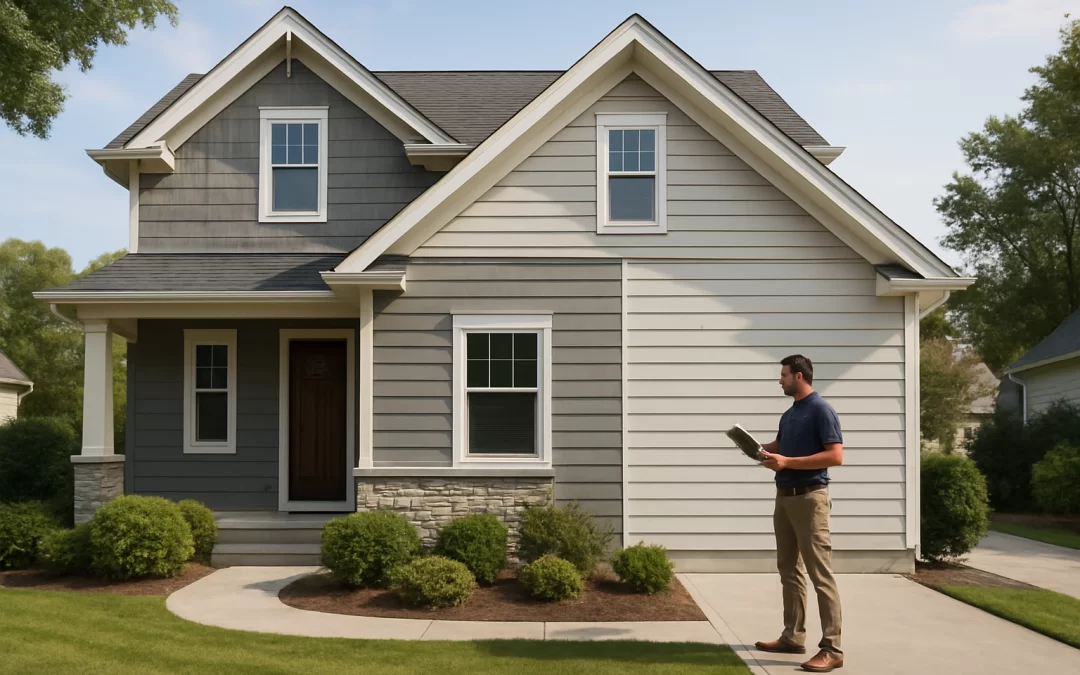
Fiber cement siding usually costs more to install than vinyl, but it can be a better long-term value if you plan to stay in your home 15+ years and want a more durable, low-maintenance exterior. Vinyl siding is typically the cheaper, easier option up front and can still last decades with basic care, making it a smart choice for tight budgets or shorter-term ownership. Over time, both can help you avoid frequent repainting and major repairs, potentially saving thousands compared to older wood or failing siding. The main tradeoff is that fiber cement offers better durability and fire resistance, while vinyl wins on initial cost and ease of installation.
Choosing between fiber cement and vinyl siding is mostly a money decision: higher upfront cost and durability vs. lower cost and simpler installation. This guide is for homeowners who want a low-maintenance exterior that protects their home, controls long-term costs, and avoids surprise repair bills. By understanding the real costs, savings, and tradeoffs of each material, you can pick the option that fits your budget, how long you’ll stay in the home, and how much maintenance you’re willing to do.
Table of Contents
- What Are Fiber Cement and Vinyl Siding?
- Why Siding Costs Add Up Over Time
- Common Ways Homeowners Overspend on Siding
- What to Check First Before Choosing Fiber Cement or Vinyl
- Cost and Savings: Fiber Cement vs. Vinyl Siding
- Quick Ways to Save Money Right Away
- Long-Term Ways to Reduce Exterior Maintenance Costs
- When Spending More Now Actually Saves Money Later
- Mistakes That Quietly Cost Homeowners Money
- DIY vs. Professional Installation
- Decision Guide: Is Fiber Cement or Vinyl Siding Worth It for You?
- Frequently Asked Questions
- Summary and Next Steps
What Are Fiber Cement and Vinyl Siding?
Fiber Cement Siding in Simple Terms
Fiber cement siding is made from a mix of cement, sand, and cellulose fibers, formed into planks or panels. It is designed to look like painted wood, stucco, or shingles but with much better resistance to rot, insects, and fire.
Key points:
- Very durable and stable in most climates
- Resists rot, termites, and warping
- Heavier and more labor-intensive to install
- Usually needs repainting every 10–15 years (unless it comes prefinished)
Vinyl Siding in Simple Terms
Vinyl siding is made from PVC (plastic) and is installed in overlapping panels. It is popular because it is relatively inexpensive, lightweight, and available in many colors and styles.
Key points:
- Lowest upfront cost among most siding options
- Color is baked in, so no painting is usually required
- Can crack or warp under extreme temperatures or impact
- Generally low maintenance, mostly just cleaning
How Both Options Help Control Costs
Compared to older wood siding or failing composite products, both fiber cement and vinyl can:
- Reduce frequent painting costs
- Lower the risk of moisture damage and rot repairs
- Help maintain curb appeal and resale value
The main financial difference is when you pay: vinyl is cheaper up front, fiber cement tends to pay off over a longer period with durability and fewer major issues.
Why Siding Costs Add Up Over Time
Direct Costs You See
- Material cost per square foot
- Labor for installation
- Painting or finishing (more common with fiber cement)
- Repairs for cracks, warping, or moisture damage
Hidden Costs You Don’t Always Notice
- Water leaks leading to rot in framing or sheathing
- Higher heating and cooling bills if siding is poorly installed or not insulated
- Frequent repainting or patching on older wood or failing siding
- Lower resale value if the exterior looks worn or outdated
How Siding Affects Your Utility Bills
Siding itself is not usually the main insulator, but it works together with house wrap and wall insulation. Poorly installed siding can allow drafts and moisture, which can:
- Increase heating and cooling costs
- Lead to mold or rot that is expensive to fix
When you replace siding, it is often a good time to improve insulation or air sealing, which can create additional monthly savings. For more detail on when insulation upgrades pay off, see Is It Worth Investing in Insulation to Cut Heating Costs?
Common Ways Homeowners Overspend on Siding
1. Repainting or Repairing a Failing Exterior for Too Long
Many homeowners keep repainting old wood or failing composite siding every 5–7 years. Over 10–15 years, repeated painting and patching can cost almost as much as a full replacement, without solving underlying rot or moisture problems.
2. Choosing the Wrong Material for the Climate
- In very hot or very cold climates, low-quality vinyl can warp or crack, leading to early replacement.
- In very wet climates, cheaper materials can absorb moisture and fail faster than fiber cement.
Picking a material that does not match your climate can shorten its lifespan and increase total cost of ownership.
3. Ignoring Installation Quality
Even the best siding can fail early if installed poorly. Common issues include:
- Improper flashing around windows and doors
- Insufficient clearance from the ground
- Missing house wrap or poor moisture management
These mistakes can lead to hidden rot and expensive structural repairs later.
4. Overpaying Without Comparing Options
Some homeowners accept the first quote they receive or do not compare different materials. Getting multiple quotes and understanding what is included (tear-off, disposal, trim, insulation) can easily save hundreds or even thousands of dollars.
What to Check First Before Choosing Fiber Cement or Vinyl
1. How Long You Plan to Stay in the Home
- If you plan to move within 5–10 years, lower-cost vinyl often makes more financial sense.
- If you plan to stay 15+ years, fiber cement’s durability and lower long-term maintenance can be worth the higher upfront cost.
2. Condition of Your Current Siding
Walk around your home and look for:
- Soft, spongy, or crumbling areas
- Peeling paint, swelling boards, or visible gaps
- Mold, mildew, or water stains
- Insect damage or holes
If you see multiple problem areas, it may be more cost-effective to replace rather than keep repairing. For help deciding, review Siding Replacement vs. Repair: Signs, Cost, and What Makes the Most Sense.
3. Local Climate and Risks
- High fire risk areas: fiber cement is non-combustible and often preferred.
- Very wet or coastal areas: fiber cement handles moisture better than many other materials.
- Hail or impact-prone areas: thicker, higher-quality vinyl or fiber cement can reduce damage.
4. HOA or Neighborhood Requirements
Some neighborhoods or HOAs restrict certain siding types or colors. Check rules before you get quotes so you do not waste time or money planning for a material you cannot use.
Cost and Savings: Fiber Cement vs. Vinyl Siding
Typical Upfront Costs
Actual prices vary by region, home size, and labor rates, but these ranges are common for full replacement, including materials and professional installation:
- Vinyl siding: Often in the lower to mid price range per square foot installed, depending on quality and insulation.
- Fiber cement siding: Typically higher per square foot installed than vinyl due to heavier material and more labor.
For a deeper breakdown of how material choice affects your total project cost, see Siding Replacement Cost by Material and Siding Replacement Cost: Real Pricing, What Affects the Estimate, and How to Avoid Overpaying.
Ongoing Maintenance Costs
- Vinyl siding: Mostly cleaning with a hose or soft brush. Occasional repairs if panels crack or come loose.
- Fiber cement: If prefinished, minimal maintenance beyond cleaning. If painted on site, expect repainting roughly every 10–15 years.
Over 20–30 years, repainting fiber cement can add to total cost, but it still often beats the repeated painting and repairs needed for older wood or failing composite siding.
Potential Monthly Savings
Replacing siding alone does not usually slash utility bills dramatically, but combined with better insulation and air sealing, you might see:
- Modest energy savings, often in the range of $10–$30 per month, depending on climate and existing conditions
- Occasionally higher savings if your current exterior is in very poor shape and you add insulation
The bigger “savings” are usually avoided costs: fewer major repairs, less frequent painting, and better protection from moisture damage.
Payback Period: When Does It Financially Make Sense?
Because siding is a large project, it is better to think in terms of total cost of ownership rather than a strict payback like a small energy upgrade.
- Vinyl siding: Lower upfront cost means a shorter “payback” if your main goal is to stop frequent painting and repairs. You may effectively recover the cost over 10–15 years through avoided maintenance.
- Fiber cement: Higher upfront cost, but longer lifespan and better durability. Over 20–30 years, the total cost per year of ownership can be similar or even lower than vinyl, especially in harsh climates.
If you plan to sell within 5–10 years, you may not fully “recover” the extra cost of fiber cement through lower maintenance alone, but you may see some of it back in resale value and buyer appeal.
When Savings Are Minimal vs. Significant
- Minimal savings: Replacing siding that is still in good condition purely for looks, without improving insulation or fixing moisture issues.
- Moderate savings: Replacing failing siding that requires frequent painting and patching, and improving air sealing at the same time.
- Higher savings: Replacing badly damaged or rotting siding, fixing underlying issues, and upgrading insulation where walls were poorly insulated.
When It Is Not Worth the Cost
It may not be worth replacing siding right now if:
- Your current siding is structurally sound and only needs minor cosmetic work.
- You plan to move within a couple of years and buyers in your area do not strongly value upgraded siding.
- The project would require taking on high-interest debt that outweighs the financial benefits.
Quick Ways to Save Money Right Away
1. Get Multiple Quotes and Compare Details
Ask at least three contractors for written estimates that clearly list:
- Material type and brand (fiber cement vs. vinyl, and which product line)
- Scope of work (tear-off, disposal, trim, flashing, house wrap)
- Any included warranties on labor and materials
Comparing “apples to apples” can easily save you hundreds or more by avoiding inflated bids or unnecessary extras.
2. Consider Mid-Grade Products, Not Just Premium Lines
Top-tier vinyl or fiber cement products can be significantly more expensive, while mid-grade options often provide most of the durability and appearance at a lower cost. Avoid the cheapest, thinnest vinyl, but you usually do not need the most expensive line either.
3. Time Your Project Wisely
In some areas, contractors are busiest in peak seasons. Scheduling work during slower periods can sometimes give you more negotiating room or access to discounts.
4. Fix Small Issues Before They Become Big Ones
If full replacement is not in the budget yet, at least:
- Seal obvious gaps and cracks to reduce drafts and moisture entry
- Repair loose or missing panels to prevent water getting behind the siding
- Clean mold and mildew to slow deterioration
Long-Term Ways to Reduce Exterior Maintenance Costs
1. Choose the Right Material for Your Situation
- Choose vinyl if: You want the lowest upfront cost, minimal maintenance, and plan to stay less than 15 years or are on a tight budget.
- Choose fiber cement if: You plan to stay long term, live in a harsh or fire-prone climate, and want a more solid, durable exterior even at a higher initial cost.
2. Invest in Proper Installation
Paying a bit more for a reputable installer can save thousands later. Look for:
- Good reviews and references
- Proof of insurance and licensing
- Experience with your chosen material
- Clear warranty terms
3. Combine Siding Work with Other Upgrades
When the siding is off, it is the best time to:
- Add or upgrade wall insulation
- Improve flashing and moisture barriers
- Seal air leaks around windows, doors, and penetrations
These combined improvements can reduce heating and cooling costs and protect your home from hidden water damage.
4. Keep Up with Simple Maintenance
- Rinse siding annually to remove dirt and mildew
- Trim back vegetation that traps moisture against the walls
- Inspect caulking around windows and doors every year or two
These small tasks help both fiber cement and vinyl last longer and look better, protecting your investment.
When Spending More Now Actually Saves Money Later
Upgrading from Basic Vinyl to Higher-Quality Vinyl or Fiber Cement
Very cheap, thin vinyl is more likely to crack, warp, or blow off in storms. Spending more for thicker, higher-quality vinyl or stepping up to fiber cement can reduce:
- Repair calls after storms or extreme temperatures
- Early replacement due to fading, warping, or damage
Choosing Prefinished Fiber Cement
Prefinished fiber cement (factory-applied color) usually costs more upfront than primed boards painted on site. However, factory finishes often last longer and come with finish warranties, which can reduce repainting costs over 15–20 years.
Adding Insulation During Siding Replacement
Adding rigid foam or insulated vinyl during siding replacement increases the project cost, but can:
- Improve comfort and reduce drafts
- Lower heating and cooling bills for the life of the siding
In colder climates, this can shorten the payback period and make the overall project more financially attractive.
Mistakes That Quietly Cost Homeowners Money
1. Ignoring Early Signs of Moisture Problems
Small bubbles in paint, soft spots, or minor warping can be early signs of water getting behind the siding. Waiting too long can turn a simple siding job into a major repair involving framing and sheathing replacement.
2. Choosing Based Only on Appearance
Both fiber cement and vinyl can look good from the street. Focusing only on style or color, without considering climate, lifespan, and maintenance, can lead to higher long-term costs.
3. Not Understanding the Warranty
Some warranties are prorated or only cover materials, not labor. If a product fails, you may still pay a lot out of pocket. Make sure you know what is covered, for how long, and what can void the warranty.
4. DIY Repairs That Trap Moisture
Improperly patched siding, poorly applied caulk, or incorrect flashing can trap water instead of shedding it. This can quietly damage your home’s structure and cost far more than a proper repair would have.
DIY vs. Professional Installation
When DIY Might Make Sense
Full siding replacement is a major project, but some homeowners with strong carpentry skills and the right tools may handle small vinyl repairs or limited replacement themselves. DIY can save on labor costs, but only if done correctly.
When to Hire a Professional
For most homeowners, especially with fiber cement, professional installation is the safer financial choice because:
- Fiber cement is heavy and requires special cutting tools and safety precautions.
- Incorrect installation can void warranties and lead to water damage.
- Pros understand local codes, flashing details, and moisture management.
Even with vinyl, a professional can ensure proper alignment, expansion gaps, and weatherproofing, which affect how long the siding lasts.
Cheap Fix vs. Proper Upgrade
- Cheap fix: Patch a few damaged panels or repaint failing siding. This can buy time but may not solve underlying issues.
- Proper upgrade: Replace failing siding with a well-chosen material (fiber cement or vinyl), fix moisture problems, and improve insulation where possible.
The proper upgrade costs more now but usually reduces surprise repairs and maintenance over the next 15–30 years.
Decision Guide: Is Fiber Cement or Vinyl Siding Worth It for You?
Key Questions to Ask Yourself
- How long do I realistically plan to stay in this home?
- Is my current siding causing real problems (rot, leaks, high maintenance), or is it mostly cosmetic?
- What is my budget, and can I afford a higher upfront cost for lower long-term risk?
- What are the climate and risks in my area (fire, storms, extreme temperatures)?
If You Want the Lowest Upfront Cost
Vinyl siding is usually the better choice if:
- You need to control immediate costs
- You plan to move within 5–10 years
- Your climate is moderate and not extremely harsh
If You Want Maximum Durability and Long-Term Value
Fiber cement siding is often worth the investment if:
- You plan to stay in the home 15+ years
- You live in a harsh, wet, or fire-prone climate
- You want a more solid feel and higher resistance to impact and heat
Is Now the Right Time to Act?
Consider moving forward soon if:
- Your siding is visibly failing, soft, or allowing water in
- You are already planning other exterior work (windows, insulation)
- You can fund the project without taking on high-interest debt
If your siding is still sound and your budget is tight, focus on small repairs, cleaning, and saving for a future replacement when it will have a bigger financial impact.
Frequently Asked Questions
Is fiber cement siding more expensive than vinyl, and is it worth it?
Fiber cement usually costs more to install than vinyl because the material is heavier and labor is more involved. It can be worth it if you plan to stay long term, live in a harsh climate, or value its durability and fire resistance. If you expect to move within 5–10 years or have a tight budget, vinyl often provides better short-term value.
Which siding option needs less maintenance: fiber cement or vinyl?
Vinyl siding typically needs the least maintenance because the color is built in and it does not require painting. Fiber cement is still low maintenance, especially if prefinished, but may need repainting every 10–15 years. Both are far lower maintenance than traditional wood siding.
Will new siding significantly lower my energy bills?
New siding alone usually provides modest energy savings. The biggest reductions in heating and cooling costs come when siding replacement is combined with better insulation and air sealing. In many homes, this combination can lead to noticeable comfort improvements and monthly savings, but it is not usually a dramatic drop on its own.
Does fiber cement siding increase home value more than vinyl?
In many markets, fiber cement is viewed as a premium material and can slightly boost curb appeal and perceived quality compared to basic vinyl. However, both can improve resale value if they replace old, failing, or unattractive siding. The exact impact depends on your local market and buyer preferences.
How long do fiber cement and vinyl siding typically last?
Quality vinyl siding can often last 20–30 years or more with basic care. Fiber cement siding can last 30–50 years or longer when properly installed and maintained, though finishes may need refreshing over time. Actual lifespan depends heavily on climate, installation quality, and maintenance.
Is it cheaper to repair my existing siding instead of replacing it?
In the short term, repairing is almost always cheaper than full replacement. However, if your siding has widespread rot, moisture damage, or frequent peeling and patching, repeated repairs can add up and still leave you with underlying problems. In those cases, replacement with fiber cement or vinyl can be more cost-effective over 10–20 years.
Summary and Next Steps
Fiber cement vs. vinyl siding is mainly a tradeoff between higher upfront cost and long-term durability versus lower initial cost and simplicity. Vinyl is usually the best choice for tight budgets, moderate climates, and shorter ownership periods, while fiber cement often wins for long-term owners in harsher or fire-prone areas. Both can reduce maintenance compared to older siding and help you avoid expensive repairs from moisture and rot.
Your next steps should be to assess your current siding’s condition, decide how long you plan to stay in your home, and get a few detailed quotes for both materials. Start with small, low-cost actions like inspections, cleaning, and sealing gaps, then plan for a full upgrade when it makes financial sense. By choosing the right material and installer, you can protect your home, control long-term costs, and avoid the money-wasting cycle of constant exterior repairs.
Taking a calm, numbers-focused approach now can save you from surprise bills later. Whether you choose fiber cement or vinyl, aim for a solution that fits your budget, your climate, and how long you plan to call this house home.