
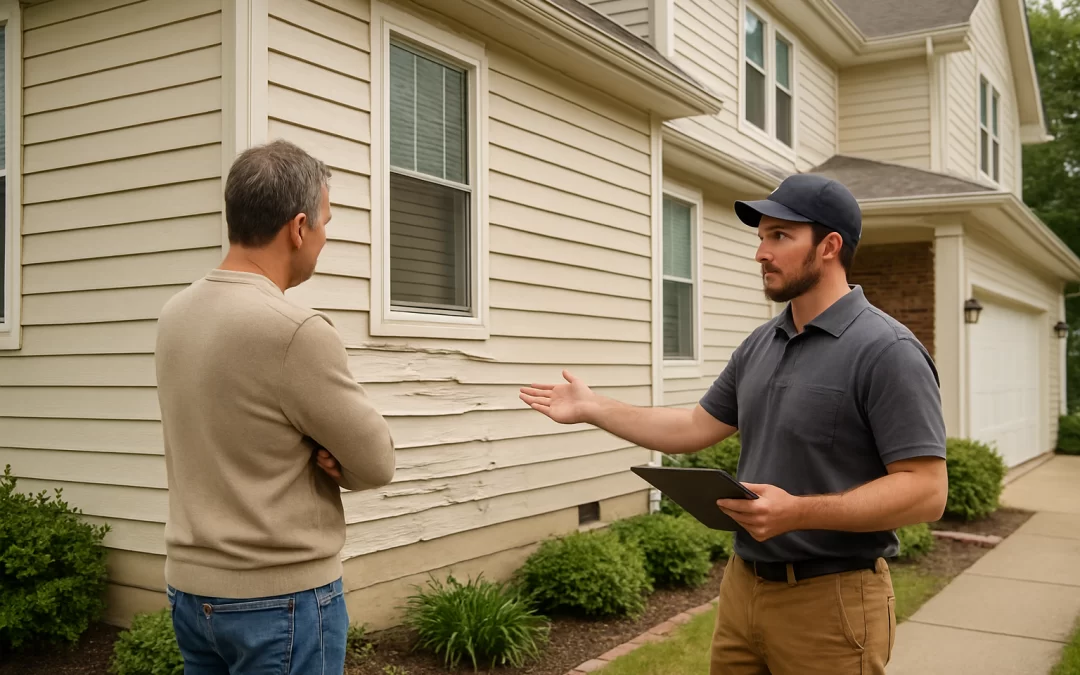
Siding replacement vs. repair usually comes down to cost, damage level, and how long you plan to stay in the home. Small, isolated issues can often be repaired for a few hundred dollars, while full siding replacement typically runs from several thousand to tens of thousands but can prevent hidden water damage and improve energy efficiency. Over 10–20 years, smart siding decisions can easily mean a difference of $5,000–$20,000 in avoided repairs, energy savings, and resale value. The tradeoff: replacement has a higher upfront cost, so it only makes sense when damage is widespread, your siding is near the end of its life, or you plan to stay in the home long enough to benefit.
This guide is for homeowners and renters trying to decide whether to repair or replace aging, damaged, or ugly siding without wasting money. Siding problems can quickly turn into expensive structural or mold issues, but replacing too early can also drain your budget. Below, you’ll learn how to spot the signs that repair is enough, when replacement is smarter, and how to avoid common overspending traps.
Table of Contents
- Causes of High Siding Costs
- Common Overspending Behaviors
- What to Check First
- Immediate Savings: Low-Cost Fixes That Help Now
- Long-Term Savings and Upgrades
- When Spending More Now Actually Saves Money
- Common Costly Mistakes With Siding Repair and Replacement
- When to Hire a Professional vs. DIY
- Cost & Savings: Repair vs. Replacement
- Decision Guide: Repair or Replace, Now or Later?
- Frequently Asked Questions
- Summary and What to Do Next
Causes of High Siding Costs
Siding projects get expensive for a few main reasons: labor, materials, and hidden damage. Understanding these helps you decide whether repair or replacement makes more financial sense.
1. Labor and Access
Labor is often 40–60% of the total siding bill. Costs rise when:
- Your home is two or three stories (requires more safety equipment and time).
- There are many corners, gables, or architectural details.
- Old siding is hard to remove or contains lead (common in very old homes).
Because labor is such a big part of the cost, doing many small repairs over several years can add up to more than a single, well-planned replacement.
2. Material Type and Availability
Some siding materials are cheap to buy but expensive to maintain, while others cost more upfront but last longer with less upkeep.
- Vinyl: Lower upfront cost, low maintenance, but can crack or fade.
- Fiber cement: Higher upfront cost, long-lasting, fire- and rot-resistant.
- Wood: Attractive but needs regular painting or staining; prone to rot.
- Engineered wood / composite: Mid-range cost, better durability than traditional wood.
Older or discontinued products (like some Masonite or hardboard siding) can be costly to repair because matching pieces are hard to find, pushing you toward partial or full replacement.
3. Hidden Water and Structural Damage
The most expensive siding projects are often the ones where water has been sneaking in for years. By the time you see warped boards or peeling paint, there may already be:
- Rotten sheathing or framing behind the siding
- Mold or mildew in wall cavities
- Insulation damage reducing energy efficiency
Repairing only the visible siding without addressing hidden damage can lead to repeat repairs and larger bills later. In these cases, replacement plus proper waterproofing can actually be the cheaper long-term option.
Common Overspending Behaviors
Many homeowners spend more than necessary on siding because of timing and incomplete information, not because they choose the “wrong” material.
- Delaying small repairs until they become large, structural problems.
- Replacing too early when siding is still structurally sound and only needs cosmetic work.
- Accepting the first quote without comparing at least 2–3 detailed estimates.
- Paying for unnecessary upgrades (premium colors, complex trim) that don’t add much resale value in your neighborhood.
- Ignoring energy efficiency, missing out on lower utility bills and possible rebates.
A balanced approach—fixing real risks early, but not chasing every cosmetic flaw—usually saves the most money over 10–20 years.
What to Check First
Before deciding on siding repair vs. replacement, do a simple inspection. This helps you avoid paying for a full replacement when targeted repairs will do—or missing serious issues that need bigger work.
Exterior Visual Check
Walk around your home and look for:
- Cracks, holes, or missing pieces in the siding.
- Warping, buckling, or bulging boards or panels.
- Soft spots when you press on the siding (sign of rot or water damage).
- Peeling paint or bubbling on painted wood or fiber cement.
- Gaps at seams, corners, and around windows/doors where caulk has failed.
If damage is limited to a few boards or one side of the house, repair is often enough. If you see widespread issues on multiple sides, replacement becomes more cost-effective.
Interior Signs of Trouble
Inside the home, check for:
- Musty smells near exterior walls.
- Stains or discoloration on walls or ceilings near the exterior.
- Drafts or cold spots along outside walls.
These can indicate water intrusion or poor insulation behind the siding. If you notice several of these signs, a deeper inspection (possibly by a pro) is wise before spending money on cosmetic repairs.
Age and Type of Your Siding
Knowing what you have and how old it is helps you judge whether it’s near the end of its expected life:
- Vinyl: 20–40 years, depending on quality and climate.
- Fiber cement: 30–50+ years with proper installation and paint.
- Wood: 15–30 years, heavily dependent on maintenance.
- Engineered wood / composite: 20–30+ years.
If your siding is near or past its typical lifespan and showing multiple issues, replacement usually makes more financial sense than repeated repairs.
Immediate Savings: Low-Cost Fixes That Help Now
If your budget is tight or damage is minor, there are several low-cost actions that can prevent bigger bills later.
1. Seal Gaps and Cracks
Re-caulking around windows, doors, and siding joints can:
- Reduce drafts and lower heating/cooling bills by $5–$20 per month in many climates.
- Keep water out of wall cavities, avoiding rot and mold.
Caulk and basic tools typically cost $20–$50, and many homeowners can do this in a weekend.
2. Replace a Few Damaged Boards or Panels
Spot repairs are often enough when:
- Damage is limited to one area (for example, near a grill or where a tree branch hit).
- The rest of the siding is in good shape and not near end-of-life.
Hiring a pro for minor repairs might cost $200–$800, while DIY material costs can be under $200. This can buy you several more years before needing a full replacement.
3. Clean and Maintain Existing Siding
Simple cleaning and maintenance can extend siding life and delay replacement:
- Gentle washing to remove mold, mildew, and dirt.
- Touch-up paint on wood or fiber cement to protect exposed areas.
- Trimming vegetation away from walls to reduce moisture and physical damage.
These steps are low-cost but can prevent early rot and warping, saving thousands in premature replacement.
Long-Term Savings and Upgrades
When siding is aging or you plan to stay in your home for 10+ years, thinking beyond quick fixes can save more over time.
1. Energy Efficiency and Insulation
New siding is a chance to improve your home’s insulation and air sealing. Options include:
- Adding rigid foam insulation under new siding.
- Choosing insulated vinyl siding.
- Improving housewrap and flashing to reduce drafts and moisture.
These upgrades can reduce heating and cooling costs by roughly 5–15%, often $15–$60 per month depending on your climate and energy rates. Over 10–15 years, that can add up to $1,800–$10,000 in savings.
2. Choosing Durable, Low-Maintenance Materials
Spending more upfront on durable siding can reduce repainting, repairs, and replacement cycles:
- Fiber cement and quality vinyl often need less frequent painting or maintenance than wood.
- Engineered wood products can offer a good balance of cost, appearance, and durability.
Over 20–30 years, avoiding multiple repainting jobs (often $3,000–$8,000 each for a whole house) can easily offset the higher initial siding cost.
3. Resale Value and Curb Appeal
New siding is one of the exterior upgrades that buyers notice immediately. While you rarely get 100% of your cost back at resale, national data often shows:
- Roughly 60–80% of siding replacement cost recouped in home value, depending on material and market.
- Faster sale times and stronger offers when the exterior looks well-maintained.
If you plan to sell within 3–7 years, siding replacement can be part of a broader strategy to maximize your sale price and reduce buyer negotiation over “needed repairs.”
When Spending More Now Actually Saves Money
There are situations where a full siding replacement, though more expensive upfront, is the cheaper choice over 10–20 years.
1. Widespread Damage or Rot
If you see:
- Soft or crumbling siding in multiple areas.
- Visible rot at corners, window trim, or near the foundation.
- Repeated leaks or interior water stains.
Then patching individual boards is like putting band-aids on a bigger problem. You may spend thousands on repeated repairs, only to replace everything later anyway. In these cases, a full replacement with proper waterproofing and flashing is usually more cost-effective.
2. Failing or Problematic Materials
Certain older siding products, such as some Masonite or hardboard types, are known for long-term issues like swelling and rot. If you have one of these and it’s already showing problems, investing in a full replacement can:
- Stop ongoing water damage.
- Improve your home’s appearance and value.
- Reduce the risk of future insurance or inspection issues.
For more detail on costs for specific materials, you can review a dedicated Masonite siding replacement cost guide or similar material-specific resources.
3. Major Renovations or Additions
If you’re already planning a big project—like an addition, new windows, or roof replacement—doing siding at the same time can save on labor and staging costs. Contractors are already on-site with equipment, so:
- You may get better pricing on combined work.
- You avoid paying twice for setup and cleanup.
In these cases, it can be smarter to replace older siding a bit earlier than planned instead of paying more to do it as a separate project later.
Common Costly Mistakes With Siding Repair and Replacement
Avoiding a few frequent mistakes can save thousands over the life of your siding.
- Only fixing what you can see: Not checking for hidden water damage behind visibly damaged areas.
- Ignoring flashing and waterproofing: New siding without proper flashing around windows, doors, and roofs can still leak.
- Choosing the cheapest bid without details: Low bids that skip prep work, flashing, or quality underlayment can lead to early failure.
- Not matching repairs properly: Using mismatched materials or installation methods can void warranties or look bad for resale.
- Skipping permits or inspections where required: This can cause problems when selling or with insurance claims.
Ask contractors to explain exactly what’s included: removal, disposal, housewrap, flashing, trim, caulking, and paint or finish. A slightly higher bid that includes proper prep often saves money in the long run.
When to Hire a Professional vs. DIY
DIY can save on labor, but it’s not always the best financial choice if mistakes lead to leaks or code issues.
DIY-Friendly Tasks
Consider DIY for:
- Cleaning siding and gutters.
- Re-caulking small gaps and joints.
- Painting or staining accessible areas.
- Replacing a few simple vinyl panels at ground level.
These tasks usually require basic tools and can save hundreds in labor costs.
When to Hire a Professional
Professional help is usually worth it when:
- You suspect hidden water or structural damage.
- Your home is more than one story or has complex architecture.
- You’re doing a full or partial siding replacement.
- Local codes or HOA rules are strict about appearance or materials.
A good contractor can spot issues you might miss and ensure proper waterproofing, which protects your home and your investment.
Cost & Savings: Repair vs. Replacement
Costs vary by region, material, and home size, but these ranges can help you compare options and think about payback.
Typical Upfront Costs
- Minor repairs (a few boards, caulking, small patching): roughly $200–$1,000.
- Moderate repairs (one side of the house, some trim): roughly $1,000–$4,000.
- Full siding replacement for an average home: often $8,000–$25,000+, depending on material and complexity.
For a deeper breakdown by material and home size, see a detailed resource on siding replacement cost and what affects estimates.
Monthly Savings Estimates
New or properly repaired siding can save money in a few ways:
- Energy bills: Better insulation and air sealing can save about $10–$60 per month, depending on climate and home size.
- Maintenance: Avoiding frequent painting or patching can average out to $20–$50 per month in “avoided” costs over 10–15 years.
- Avoided damage: Harder to see monthly, but preventing one major rot or mold repair (often $5,000–$15,000) is a big long-term saving.
Payback Period
Think of payback as how long it takes for savings and avoided costs to “catch up” to what you spent.
- Minor repairs: Payback is usually immediate or within a year because costs are low and you’re preventing bigger damage.
- Energy-focused upgrades with new siding: Payback is often 8–15 years through lower utility bills and reduced maintenance.
- Full replacement mainly for appearance: Financial payback may be slower (often 15+ years), but you may still benefit from resale value and comfort.
When Savings Are Small vs. Significant
Savings are usually small when:
- You replace siding that is still in good condition just for a new color.
- You choose expensive premium options that don’t match your neighborhood’s typical home values.
Savings are usually significant when:
- You stop ongoing water damage and rot.
- You improve insulation and air sealing in a drafty home.
- You avoid multiple repainting cycles by choosing low-maintenance materials.
When It’s Not Worth the Cost
Full siding replacement may not be worth it right now if:
- Damage is minor and your siding is well within its expected lifespan.
- You plan to move within 1–3 years and buyers in your area don’t expect brand-new siding.
- Your budget is tight and replacement would force you to delay more urgent repairs (like roof leaks or foundation issues).
In these cases, targeted repairs and maintenance are usually the smarter financial move.
Decision Guide: Repair or Replace, Now or Later?
Use these simple questions to guide your decision.
1. Do Now vs. Later
- Do it now if you see active leaks, soft or rotten areas, or interior water stains.
- Plan for later if issues are cosmetic (fading, minor cracks) and there’s no sign of water intrusion.
2. Quick Fix vs. Long-Term Investment
- Quick fix (repair) makes sense when:
- Damage is limited to one area or a few boards.
- Your siding is under 15–20 years old and otherwise sound.
- You’re unsure how long you’ll stay in the home.
- Long-term investment (replacement) makes sense when:
- Damage is widespread or recurring.
- Your siding is near or past its expected lifespan.
- You plan to stay in the home for at least 7–10 more years.
3. DIY vs. Professional
- DIY is best for:
- Cleaning, caulking, and painting.
- Simple, low-level panel or board replacements.
- Professional is best for:
- Full or partial siding replacement.
- Homes with multiple stories or complex designs.
- Suspected hidden damage or moisture issues.
4. Cheap Fix vs. Upgrade
- Cheap fix is smarter when:
- You need to stop a leak or repair damage quickly on a tight budget.
- You expect to sell soon and buyers won’t pay extra for premium materials.
- Upgrade is smarter when:
- You want lower maintenance and better energy efficiency for the long term.
- You’re already doing other major exterior work.
Frequently Asked Questions
Is it cheaper to repair or replace siding?
Repairing is almost always cheaper upfront, especially for small areas of damage. However, if your siding is older and problems are widespread, repeated repairs can add up to more than a single, well-timed replacement. The key is to compare the total cost of likely repairs over the next 5–10 years to the cost of replacement today.
How do I know if my siding needs to be replaced, not just repaired?
Consider replacement if you see damage on multiple sides of the house, soft or rotten areas, or interior signs of moisture like stains or musty smells. Also look at age: if your siding is near or past its typical lifespan and showing several issues, replacement usually makes more financial sense than ongoing patching.
Will new siding really lower my energy bills?
New siding alone doesn’t guarantee big savings, but when combined with better insulation, housewrap, and air sealing, many homeowners see 5–15% lower heating and cooling costs. In a typical home, that can mean $15–$60 per month, which adds up over 10–15 years.
Can I replace just one side of my house to save money?
Yes, partial replacement is possible and can be a good compromise when one side gets more weather exposure or damage. Just be aware that color and texture may not match perfectly, especially if your existing siding has faded, which can affect appearance and resale.
Is siding replacement worth it before selling my home?
It can be, especially if your current siding is visibly damaged or in poor condition. New siding can improve curb appeal, reduce buyer concerns about hidden damage, and often recoups a significant portion of its cost at resale, though usually not 100%. If your siding is still in decent shape, targeted repairs and a good cleaning or paint job may be enough.
How can I avoid overpaying for siding work?
Get at least 2–3 detailed quotes, ask what’s included (removal, disposal, housewrap, flashing, trim, paint), and check references or reviews. Avoid bids that are much lower than others without a clear explanation, and focus on long-term value rather than just the lowest upfront price.
Summary and What to Do Next
Choosing between siding repair and replacement is about balancing current costs with long-term savings and risk. Repairs are usually the best move for minor, localized damage on relatively young siding, while replacement makes more sense when problems are widespread, materials are failing, or you want better efficiency and lower maintenance for the next 20–30 years.
Financially, smart siding decisions can mean thousands saved in avoided water damage, lower energy bills, and fewer repainting or repair cycles. Your next steps should be:
- Do a careful walk-around inspection and note all problem areas.
- Estimate your siding’s age and type, and how long you plan to stay in the home.
- Get a few detailed quotes for both repair and replacement options.
- Compare total 10–15 year costs, not just today’s price.
With a clear picture of your siding’s condition and your long-term plans, you can choose the option—repair or replacement—that protects your home and your budget most effectively.