
Regular HVAC maintenance can lower your energy bills by 10–20% in many homes by keeping your heating and cooling system clean, tuned, and running efficiently. A well-maintained system doesn’t have to work as hard, so it uses less electricity or gas to keep you comfortable. Over a year, that can mean $150–$400 in savings for a typical household. The tradeoff is that you’ll spend some money on annual tune-ups and occasional parts, so the biggest savings come when your system is used heavily or was previously neglected.
This guide is for homeowners and renters who want to cut monthly utility costs without sacrificing comfort. Heating and cooling are usually the largest part of your energy bill, so even small efficiency gains can add up. By understanding what maintenance really matters—and what doesn’t—you can avoid waste, prevent breakdowns, and make smarter decisions about when to repair or upgrade.
Table of Contents
- Why Your HVAC System Can Be So Expensive to Run
- Common Overspending Habits That Raise Energy Bills
- What to Check First for Quick, Low-Cost Fixes
- Immediate HVAC Maintenance Steps That Save Money
- Long-Term Savings and Smart HVAC Upgrades
- When Spending on Maintenance Actually Saves You More
- Common Costly HVAC Mistakes to Avoid
- When to Hire a Professional vs DIY
- Decision Guide: What to Do Now vs Later
- Frequently Asked Questions
- Summary & Next Steps
Why Your HVAC System Can Be So Expensive to Run
Heating and cooling often make up 40–60% of a home’s energy use. When your HVAC system isn’t maintained, it has to run longer and harder to reach the same temperature, which drives up your bill.
Common causes of high HVAC energy costs include:
- Dirty air filters that restrict airflow and make the system work overtime.
- Dusty coils on your furnace or air conditioner that reduce heat transfer efficiency.
- Low refrigerant (for AC and heat pumps), forcing the system to run longer cycles.
- Leaky ductwork that sends heated or cooled air into attics, basements, or crawlspaces instead of rooms.
- Poor thermostat settings, like big temperature swings or constant “fan on” mode.
- Age and wear, which naturally reduce efficiency over time.
Regular maintenance addresses many of these issues before they become expensive problems. While it can’t turn an old, inefficient system into a brand-new one, it can keep it running closer to its original performance.
Common Overspending Habits That Raise Energy Bills
Even with a decent HVAC system, everyday habits can quietly increase your costs. Many of these are easy to fix once you notice them.
Common overspending behaviors include:
- Ignoring air filters: Running the system for months with a clogged filter can raise energy use by 5–15%.
- Cranking the thermostat: Setting it very high in winter or very low in summer doesn’t heat or cool faster; it just runs longer.
- Closing too many vents: This can unbalance airflow and strain the system instead of saving money.
- Running the fan constantly: “Fan on” can add $10–$30 per month in electricity compared to “auto” in some homes.
- Skipping annual tune-ups: Small issues (like a weak capacitor or dirty blower) slowly reduce efficiency and can lead to costly breakdowns.
Changing these habits often costs nothing and can deliver immediate savings, especially during peak heating or cooling seasons.
What to Check First for Quick, Low-Cost Fixes
Before spending money on big repairs or upgrades, start with simple checks that often solve the problem or at least improve efficiency.
1. Air Filter
- Locate your HVAC filter (usually in a return vent or near the furnace/air handler).
- If it looks gray, dusty, or clogged, replace it.
- In most homes, filters should be changed every 1–3 months.
Cost & savings:
- New filter: $5–$20.
- Potential savings: $5–$15 per month in heavy-use seasons.
- Payback: Often within 1–2 months.
2. Thermostat Settings
- Set the thermostat to the highest comfortable temperature in summer and the lowest comfortable in winter.
- Aim for about 68–70°F in winter and 76–78°F in summer if comfortable.
- Use “auto” fan mode instead of “on” for most homes.
Cost & savings:
- Cost: $0 to adjust settings.
- Each degree of adjustment can save about 1–3% on heating or cooling costs.
- Potential savings: $10–$30 per month during peak seasons.
3. Vents and Returns
- Make sure supply vents and return grilles are not blocked by furniture, rugs, or curtains.
- Lightly vacuum dust from vent covers.
Cost & savings:
- Cost: $0–$10 (if you buy a vent brush attachment).
- Potential savings: modest (a few dollars per month), but can improve comfort and reduce strain on the system.
4. Simple Air Leaks Around the Home
- Check for drafts around doors and windows.
- Use inexpensive weatherstripping or caulk to seal obvious gaps.
Cost & savings:
- Materials: $10–$50.
- Potential savings: $5–$25 per month, especially in older or drafty homes.
Immediate HVAC Maintenance Steps That Save Money
Once you’ve handled the basics, a few targeted maintenance tasks can deliver noticeable savings, especially if your system hasn’t been serviced in years.
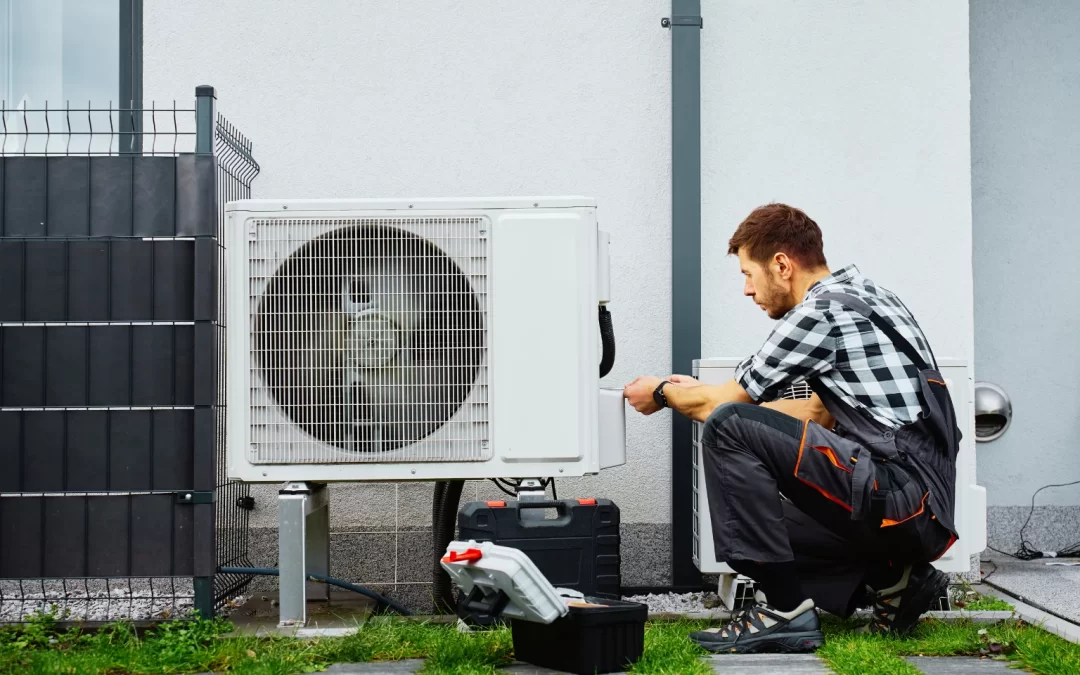
Clean Around the Outdoor Unit (AC or Heat Pump)
- Turn off power to the unit at the disconnect or breaker.
- Gently hose off dirt and debris from the fins (from the outside in).
- Clear leaves, grass, and plants at least 2 feet around the unit.
Cost & savings:
- Cost: $0–$10 (water and basic tools).
- Potential savings: 5–10% on cooling costs if the unit was very dirty.
Seal Accessible Duct Leaks (If Safe and Reachable)
- Inspect exposed ducts in basements, attics, or crawlspaces for gaps or loose connections.
- Use mastic sealant or foil-backed tape (not regular duct tape) on small leaks.
Cost & savings:
- Materials: $15–$40.
- Potential savings: 10–20% on heating and cooling if you had major leaks.
- Payback: Often within one season in leaky homes.
Schedule a Professional Tune-Up
A professional HVAC tune-up typically includes cleaning key components, checking refrigerant levels, testing electrical parts, and verifying safe operation. This can restore lost efficiency and catch issues before they become expensive breakdowns.
Typical costs & savings:
- Annual tune-up: $80–$200 per system in most areas.
- Potential savings: 5–15% on heating and cooling costs, or about $8–$30 per month in peak seasons.
- Payback: Often within 1–2 years, plus reduced risk of a $300–$1,000 emergency repair.
Long-Term Savings and Smart HVAC Upgrades
Regular maintenance keeps your current system efficient, but some upgrades can deliver larger, long-term savings. These usually cost more upfront but can pay off over several years.
Programmable or Smart Thermostat
- Automatically adjusts temperatures when you’re asleep or away.
- Prevents the system from running more than needed.
Costs & savings:
- Thermostat: $50–$250 (plus $100–$250 for professional installation if needed).
- Potential savings: up to 10% on heating and cooling, or $8–$25 per month for many homes.
- Payback: about 1–3 years, faster if your schedule is predictable.
Improving Home Insulation and Air Sealing
Even a perfectly maintained HVAC system wastes energy if your home leaks heat or cool air. Upgrading insulation and sealing leaks can reduce how often your system runs.
For a deeper look at costs and savings, see the home insulation cost guide.
Costs & savings (typical ranges):
- Attic insulation upgrade: $1,500–$3,500.
- Whole-home air sealing: $500–$2,000.
- Potential savings: 10–25% on heating and cooling, or $15–$60 per month.
- Payback: about 3–7 years, often faster in cold or very hot climates.
Replacing an Old, Inefficient HVAC System
If your system is 12–20+ years old, even perfect maintenance can’t match the efficiency of modern units. In some cases, replacement offers bigger savings than continuing to repair and maintain an outdated system.
For detailed price ranges and what affects them, review this guide on how much HVAC replacement costs.
Costs & savings (very general ranges):
- New central AC or furnace: often $4,000–$10,000+ depending on size and type.
- Potential savings: 20–40% on heating and cooling if replacing a very old, inefficient system.
- Payback: 7–12+ years in energy savings alone, faster if you avoid frequent repair bills.
Replacing a system is usually not worth it only for energy savings if your current unit is relatively new and working well. But if you’re facing major repairs on an old system, replacement can be the more cost-effective long-term choice.
When Spending on Maintenance Actually Saves You More
Not all maintenance is equally valuable. Some tasks clearly pay for themselves; others are more about comfort or peace of mind.
Maintenance That Usually Pays Off
- Annual professional tune-ups for systems over 5 years old, especially in extreme climates.
- Regular filter changes (monthly checks, replacing every 1–3 months).
- Cleaning outdoor units and keeping them clear of debris.
- Sealing obvious duct leaks in accessible areas.
In many homes, these steps together can save $150–$400 per year in energy and reduce the chance of a costly emergency repair.
Maintenance That May Have Smaller Financial Impact
- Very frequent tune-ups (more than once a year) for newer systems in mild climates.
- Cosmetic duct cleaning when there’s no mold, pests, or heavy dust buildup (limited energy savings).
- Upsizing filters to expensive high-MERV models that restrict airflow if your system isn’t designed for them.
These may still be worthwhile for health or comfort reasons, but the direct energy savings are often modest.
Common Costly HVAC Mistakes to Avoid
A few common missteps can erase the savings from good maintenance—or even damage your system.
- Blocking returns and vents: This strains the blower and can cause uneven temperatures.
- Neglecting filters: Running with a clogged filter can overheat or freeze components, leading to $200–$1,000 repairs.
- DIY refrigerant work: Handling refrigerant without training is unsafe and often illegal, and can ruin your compressor.
- Using the wrong filter size or type: Too restrictive filters can reduce airflow and efficiency.
- Ignoring strange noises or smells: Small issues can quickly turn into major failures if not checked.
Avoiding these mistakes doesn’t just protect your system—it also protects your wallet from surprise repair bills.
When to Hire a Professional vs DIY
Some HVAC maintenance is safe and easy to do yourself; other tasks should be left to licensed professionals for safety and warranty reasons.
Good DIY Tasks
- Changing air filters.
- Cleaning and clearing around the outdoor unit.
- Vacuuming dust from vent covers and returns.
- Adjusting thermostat settings and schedules.
- Sealing small, accessible duct leaks with proper materials.
Tasks for Professionals
- Checking and adjusting refrigerant levels.
- Opening sealed components or electrical panels.
- Deep cleaning indoor coils and blower assemblies.
- Diagnosing strange noises, frequent cycling, or uneven temperatures.
- Installing new HVAC equipment or major components.
When you do need help, choosing the right contractor matters for both cost and quality. See this guide on how to choose an HVAC contractor for pricing expectations and red flags to avoid.
Decision Guide: What to Do Now vs Later
Use this simple framework to decide your next steps based on your budget, system age, and current bills.
If You Want Immediate, Low-Cost Savings
- Change or clean your air filter.
- Adjust thermostat settings by 1–3 degrees.
- Clear and clean around the outdoor unit.
- Unblock vents and returns.
Expected impact: $10–$40 per month in savings during peak seasons, with little or no upfront cost.
If Your System Is 5–12 Years Old and Working, but Bills Are High
- Schedule an annual professional tune-up.
- Consider a programmable or smart thermostat.
- Seal obvious duct leaks and air leaks around the home.
Expected impact: 10–25% lower heating and cooling costs over time, with payback in 1–5 years depending on upgrades.
If Your System Is 12–20+ Years Old or Needs Frequent Repairs
- Compare the cost of major repairs to the cost of replacement.
- Ask a trusted contractor for efficiency ratings and savings estimates for new systems.
- Factor in energy savings, repair avoidance, and comfort improvements.
Expected impact: Higher upfront cost, but potentially 20–40% lower energy use and fewer surprise repairs over the next decade.
DIY vs Professional: How to Decide
- Choose DIY for simple, low-risk tasks (filters, cleaning, basic sealing) when you’re comfortable and can follow instructions.
- Choose a professional when electricity, gas, refrigerant, or internal components are involved, or if you’re unsure what’s wrong.
As a rule of thumb, if a mistake could damage the system or affect safety, it’s worth paying a professional—even if it costs more upfront.
Frequently Asked Questions
How much can regular HVAC maintenance really save on energy bills?
Most households can expect 10–20% lower heating and cooling costs with consistent maintenance, especially if the system was previously neglected. For a typical home, that’s roughly $150–$400 per year. Savings are higher in extreme climates or with heavy system use.
How often should I service my HVAC system?
For most homes, plan on a professional tune-up once a year for each system (one for heating, one for cooling, or one for a heat pump). Filters should be checked monthly and replaced every 1–3 months. If you have pets, allergies, or live in a dusty area, more frequent filter changes may be needed.
Is a maintenance plan or service contract worth the cost?
Maintenance plans can be worth it if they include annual tune-ups, priority service, and discounts on repairs at a fair price. They’re most valuable for older systems or in areas with extreme temperatures. If the plan costs more than scheduling a yearly tune-up yourself, the financial benefit may be small.
Can I skip maintenance if my system seems to be working fine?
You can, but you’ll likely pay more in the long run through higher energy bills and unexpected repairs. Many efficiency losses and component issues aren’t obvious until they cause a breakdown. Regular maintenance is like an oil change for your car—it’s cheaper than replacing the engine.
When is it better to replace my HVAC instead of maintaining it?
Replacement makes more sense when your system is over 12–15 years old, needs frequent or expensive repairs, or has very low efficiency ratings. In these cases, ongoing maintenance alone won’t fix high energy use, and a new system can provide long-term savings and reliability.
Does closing vents in unused rooms save money?
In most modern systems, closing too many vents can actually increase pressure in the ducts and strain the blower, reducing efficiency. Slightly closing one or two vents is usually fine, but for real savings, focus on thermostat settings, sealing leaks, and regular maintenance instead.
Summary & Next Steps
Regular HVAC maintenance can meaningfully reduce your energy bills by keeping your system clean, efficient, and running as designed. Simple steps like changing filters, cleaning around the outdoor unit, and adjusting thermostat settings often pay back within a few months. Annual professional tune-ups and smart upgrades can add longer-term savings and help you avoid costly breakdowns.
To start saving:
- Check and replace your air filter if needed.
- Adjust thermostat settings by a couple of degrees toward efficiency.
- Clear and clean around your outdoor unit.
- Schedule a professional tune-up if it’s been more than a year.
By combining regular maintenance with smart decisions about upgrades and repairs, you can keep your home comfortable while spending less on energy every month.